By Dahlonega Property Management Editorial Team
Quick answer (TL;DR)
A North Georgia vacation home usually needs three things from management: scheduled walkthroughs while it sits empty, maintenance timed to the mountain calendar, and a local contact who can act when something breaks between your visits. Full management, periodic check-ins, and self-managing with trusted local help all work. They differ in cost and in how much of the worry they take off your plate. This guide explains what each level covers and how to choose.
Vacation home property management in North Georgia covers between-visit inspections, seasonal upkeep, vendor scheduling, and the option to rent the home long-term. Here is what owners across the mountain counties should expect a manager to handle.
What vacation home property management covers in North Georgia
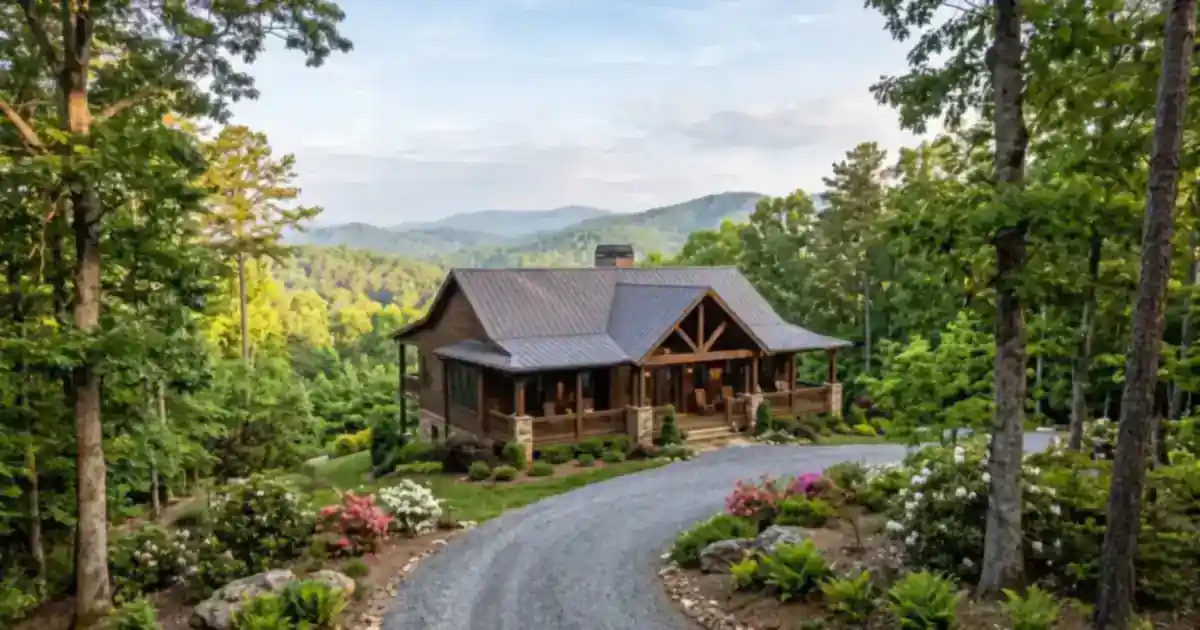
Plenty of vacation homes in the North Georgia mountains belong to owners who live somewhere else. A cabin outside Helen, a house near Amicalola Falls, a place in Blue Ridge or Ellijay bought for weekends and holidays: the pattern repeats across the region, and so does the problem. Nobody is watching the property on a Tuesday in February.
Vacation home property management fills that gap. Across Lumpkin, White, Fannin, Gilmer, and the neighboring counties, the service generally combines four jobs: inspecting the home on a fixed schedule, keeping up maintenance the climate demands, lining up vetted local vendors when something fails, and, if you want it, preparing the home for tenants. How much of that you hand over is your call.
Between-visit inspections and security
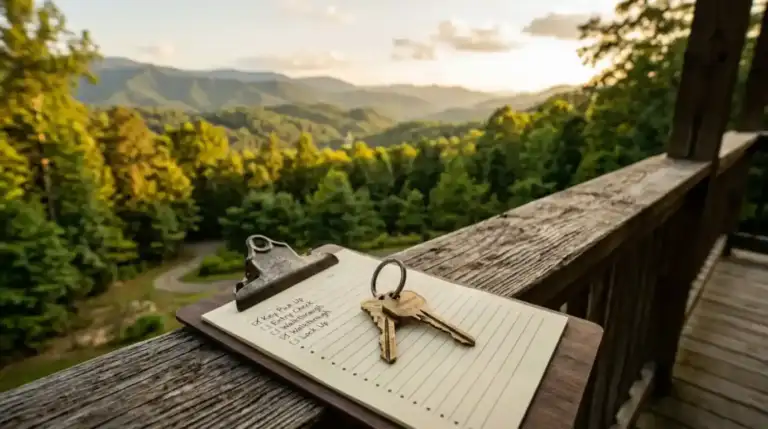
The walkthrough is exactly what it sounds like: a manager or inspector opens the door on a set cadence, runs water at every fixture, cycles the HVAC, checks the water heater and under every sink, looks for pest entry, and confirms doors, windows, and alarms are as you left them. Each visit should end with a dated photo report you can read from your phone. Over a year those reports build a record your insurer will appreciate if you ever file a claim.
Security sits alongside the inspection. Smart locks or lockboxes control who enters and when. Motion lights, cameras where appropriate, and a neighbor who knows the home is managed all make the house less of a target. In winter the visits matter most: a burst pipe in an empty mountain home can run for days before anyone notices, and the repair bill reflects every one of them.
Mountain maintenance the calendar drives
The North Georgia seasons dictate the work. Gutters and valleys need clearing after the leaf fall, because a clogged gutter dumps water against the fascia all winter. Decks and railings need cleaning and sealing on a repeating cycle before mountain humidity and sun alternating on the same board finish them. Chimneys used through a Dahlonega winter should be swept and inspected each year. Driveways on slopes need grading and drainage attention so storms cut channels instead of ruts. Crawl spaces want a moisture check in the humid months, and the pest pressure of a wooded lot never really stops; it just changes species. Our guide to rental property maintenance in the North Georgia mountains breaks the full year down task by task.
Turning the vacation home into a long-term rental
Some owners reach a point where the home should earn its keep between visits, and North Georgia supports that move well: university demand around Dahlonega, tourism employment around Helen and Blue Ridge, and general growth along the Highway 400 corridor all pull year-round tenants. Converting a vacation home to a long-term rental is a different discipline from leaving it empty, with screening, leases, Georgia landlord-tenant law, and a management agreement in play. If that is the direction, start from our guide to long-term rental management in North Georgia, which covers what changes the day a tenant signs.
Short-term stays are the other path, and they carry a caveat: before offering a home for overnight rental, verify the rules that apply to the property. Homeowners association covenants, and in some areas county regulations, can restrict short-term rentals, and neither a manager nor an owner should assume permission. Request the current covenants and any county requirements in writing, and read them, before listing a single night. In a gated community such as Achasta, that starts with the HOA documents; our page on Achasta rental homes lists what to confirm before relying on any rental listing. Short-term operation also demands more of whoever runs it, with turnovers, cleaning, and guest communication running on a schedule a long-term lease never demands.
Managing from out of state: vendors, keys, storms
Distance is why most owners hire local help in the first place. A manager keeps a bench of trades who already work in the county: a plumber who will drive up from Dahlonega, an HVAC tech who knows the units common in mountain homes, a tree service with the equipment for a ridge-line lot. Access is solved once with a lockbox or smart lock instead of a key under the mat. When a storm rolls through, someone local can check the roof line and the driveway the next morning, send photos, and give you a same-week decision instead of a next-month surprise.
Ask any manager you interview how emergency work is approved and paid. The workable answers are a written spending limit you set, receipts for everything above it, and a clear markup policy on vendor invoices, meaning whether the manager charges a percentage over the tradesman’s bill. Ask for that policy in writing before the first invoice arrives.
How the counties differ
The work shifts a little by county. Around Dahlonega and the Amicalola Falls area in Lumpkin County, guest traffic and second homes mix with working farms and university rentals. Helen in White County concentrates cabins on steep lots where driveway and tree work matter most. Blue Ridge in Fannin County and Ellijay in Gilmer County carry a heavier share of true second homes, with well and septic systems that want routine attention an absentee owner rarely gives them. Down toward property management near Gainesville, GA, Hall County adds lake-adjacent homes, and around Lake Lanier dock and shoreline work runs through the Army Corps of Engineers permit process rather than a private one. A good manager quotes you their service map plainly; ask for it.
Three service levels, compared
| Full management | Periodic check-ins | Self-managed with local help | |
|---|---|---|---|
| Who visits | Manager, on a set schedule plus after storms | Inspector, monthly to quarterly by agreement | You, plus a neighbor or handyman |
| What gets checked | Everything: systems, envelope, vendors, tenants if any | Interior walkthrough, moisture, pests, security | Whatever you arrange ad hoc |
| Repairs | Managed end to end within your written limit | Reported with photos; you hire the fix | You hire every fix remotely |
| Best for | Owners who want the home handled, not watched | Owners nearby or handy, wanting an extra set of eyes | Owners with solid local relationships already |
| Owner involvement | Approvals and budgets | Scheduling and decisions | Everything |
What to ask before hiring a vacation home property manager
- References from owners of similar homes in the same county
- The inspection scope and cadence, in writing, with photo reports promised
- Proof of a Georgia real estate license, which property management for others generally requires
- The vendor markup policy and your spending limit
- Storm response: who drives to the house, and how soon
- Who answers the phone after hours, a person or a service
- Insurance expectations for the manager, including bonding or coverage for work performed
Interview two or three. The differences that matter surface when you ask about storms, money, and after-hours coverage. A manager who answers those vaguely has told you something.
Frequently Asked Questions
Can a property manager look after my vacation home if I live in another state?
Yes. Distance is the standard situation for North Georgia second homes, and inspection schedules, remote approvals, and photo reports exist precisely for out-of-area owners. Confirm the manager will take your calls across time zones, and agree on a response window for non-emergency questions.
How often should an empty vacation home be checked?
Set a fixed cadence with your manager, monthly at minimum for a vacant home, weekly in winter or during storm season. Add a visit after any major weather event. Insurers sometimes state their own expectation in the policy, so read the vacancy clause rather than guessing.
What does vacation home property management cost in North Georgia?
Fees track the service level: check-in plans cost less than full management, and long-term rental management is usually priced as a share of collected rent. Exact figures vary by property and scope, so ask each candidate for a written fee schedule and compare line by line. Our guide to property management fees in Dahlonega explains the fee types you will see quoted.
Do property managers handle short-term rentals?
Some do, and it is a more intensive service than long-term management, with turnovers, cleaning crews, and guest messaging. Before offering any home for short stays, verify the homeowners association covenants and county rules in writing; permission should never be assumed. If the covenants allow it, ask the manager what their short-term program includes and how turnovers are staffed.
What happens if a storm damages the home while I am away?
A local manager checks the property after severe weather as part of the service, documents damage with photos, secures anything exposed, and gathers the estimates your insurer will want. You approve repairs within the spending limit you set. The goal is a same-week decision instead of a discovery on your next visit.
Can I start with check-ins and move to full management later?
Yes, and it is a common path. Owners often begin with periodic inspections while they learn the home’s needs, then expand the agreement when the drive-up weekends get old. Ask up front how the upgrade works so the transition does not require a brand-new contract.
Do I need management if the home is new?
New homes still sit empty, and warranty claims still need someone on site to meet the contractor. An inspection cadence catches warranty-eligible defects inside the builder’s window, which is exactly when catching them pays. What a newer home saves in repairs it still spends in coordination.
Who pays for repairs, the owner or the manager?
The owner pays for property repairs; the manager coordinates the work and the invoices. The written agreement should cover the spending limit, the approval steps above it, and any markup the manager adds to vendor bills. Treat that section as required reading before signing.
What is the difference between vacation home management and long-term rental management?
Vacation home management centers on the building: inspections, upkeep, security, readiness for your next stay. Long-term rental management centers on the tenancy: marketing, screening, leases, rent collection, and Georgia landlord-tenant compliance. Some owners run both on the same property across different seasons, which works when the agreement is written for it.
Which North Georgia counties do vacation home managers cover?
Coverage follows each firm’s service map. Many concentrate on one to three counties, such as Lumpkin with Dahlonega, White with Helen, Fannin with Blue Ridge, and Gilmer with Ellijay, because vendor relationships and drive time decide whether service is real or theoretical. Ask for the map, and ask for references inside your county specifically.
Can a manager help me buy a vacation home too?
Often, yes. Property management firms connected to a licensed brokerage can represent you as a buyer, and managers make sharp buying eyes: they know which lots flood, which driveways ice, and which septic systems in their county are trouble. Pair the search with the management conversation, because the purchase price and the running cost deserve equal weight.
Does a vacation home need winterization every year?
Mountain winters make freeze protection routine rather than optional. Expect the fall visit to cover disconnecting exterior hoses, checking crawl-space and pipe insulation, and setting the thermostat floor your plumber recommends. Homes vacant through January and February warrant the closest attention, and your manager should have a written winter checklist you can read.
The right vacation home starts before the management agreement: it starts with buying well. Plan your move to North Georgia with Gold Peach Realty and work with a local brokerage that knows the mountain counties, from Dahlonega to Blue Ridge. Call (770) 283-1223.