• Property Management Near Gainesville, GA

    Property Management Near Gainesville, GA

    Quick answer

    Quick answer (TL;DR)

    Hall County sits at the southern edge of the North Georgia rental corridor. Owners of long-term rentals near Gainesville need a manager who knows Georgia landlord law, local vendors, and the Hall-to-Lumpkin corridor. This guide covers what a management agreement includes, how fees are structured, and what to ask before signing with anyone.

    Property owners near Gainesville face the same decisions as other North Georgia landlords: who screens the tenant, who handles the after-hours maintenance call, and whether professional management pays for itself. The answer usually comes down to what the agreement actually covers.

    Hall County as a rental market

    Gainesville is the county seat of Hall County and the economic center of Northeast Georgia. The tenant pool there includes healthcare workers at Northeast Georgia Medical Center, manufacturing and distribution employees, families relocating from the Atlanta metro, and students. Demand for long-term residential rentals reflects that mix.

    Proximity to Lake Lanier adds context for property owners with waterfront or lake-access homes. Any dock or covered boat slip on Lake Lanier falls under Army Corps of Engineers permitting. That affects what improvements are allowed and what a lease can promise regarding dock access. Rental agreements for lake-adjacent properties benefit from clear language about what is included and what is permit-constrained.

    Away from the lake corridor, Hall County’s suburban and transitional neighborhoods track the patterns common across the North Georgia region. Turnover rates, maintenance costs, and tenant quality follow similar trends to what rental property management across North Georgia handles in other counties.

    Key question

    What does a property manager near Gainesville actually do?

    A full-service manager handles tenant placement, lease execution, rent collection, and maintenance coordination. They also keep the documentation landlords need when a dispute lands in magistrate court. The owner keeps the investment. The manager runs the day-to-day.

    ServiceTenant placement

    Listing the property, screening applicants, and executing a Georgia-compliant lease. Screens should cover credit, background, rental history, and income verification.

    ServiceRent collection

    Collecting monthly payments, enforcing late fees per the lease, and keeping the financial records an owner needs at year-end and during any dispute.

    ServiceMaintenance response

    Receiving work orders, dispatching vendors, and closing the ticket without pulling the owner into every call. Response speed depends on the vendor network, not just the policy.

    What full-service management covers near Gainesville

    Tenant placement and screening

    The tenant a manager places sets the quality floor for the whole tenancy. Credit, background, and rental history checks need to comply with Georgia fair housing requirements. Income verification typically uses a standard income-to-rent ratio. Prior landlord references matter more than the application form does.

    In Hall County, the applicant pool ranges from long-tenured working families to younger renters with short rental histories. A screening process built for a suburban Atlanta subdivision does not automatically fit a Gainesville market with a different employment base and renter demographic.

    Lease administration and Georgia compliance

    Georgia landlord-tenant law governs security deposit handling, required disclosures, notice periods, and the eviction process. A manager operating in Hall County needs to keep every lease, addendum, and notice compliant. Errors in notice timing or deposit accounting create liability that can outlast the tenancy.

    Owners who self-manage sometimes discover a compliance gap when a dispute reaches magistrate court. One practical value of professional management is that the compliance calendar runs without the owner tracking it: when to send renewal notices, how to document a lease violation, how to handle a deposit dispute at move-out.

    Maintenance coordination in Hall County

    Older housing stock and some rural properties at the county’s edges introduce maintenance demands that a manager without local vendor relationships will handle slowly. The gap between a work order submitted and a vendor dispatched depends on who the manager already has on file. A tight local network covers that gap. A thin one does not.

    Owner note: Ask any prospective manager how they handle after-hours maintenance calls and what the average response time has been on their last several work orders. A manager with a functioning system can answer that question with specifics. One who can only offer general assurances probably does not have one.

    The Gainesville-to-Dahlonega corridor

    Hall County and Lumpkin County share a management corridor. Owners with properties in both counties, or in the transitional areas near Murrayville, Clermont, or Cleveland, often find that a single management contact with regional coverage is more practical than coordinating two separate firms. Vendor relationships overlap. An HVAC technician or plumber based near Gainesville may also serve properties in the Dahlonega area, and a manager who works both counties can often dispatch faster than one whose network stops at the county line.

    A manager whose vendor network stops at the Hall County line solves half the problem for corridor property owners. Cross-county coverage shortens the dispatch window and keeps the communication chain shorter when something breaks.

    For owners thinking about portfolio growth in North Georgia, that shared infrastructure matters when evaluating a management partner. A look at Dahlonega property management services shows where the two markets connect and where corridor owners benefit from shared coverage.

    How to compare property managers near Gainesville

    Not every property manager in Hall County offers the same scope of service. Some handle tenant placement only and return the lease to the owner once a tenant is in. Others manage the full cycle from listing through lease renewal. That distinction matters before you compare fees.

    What to askA strong answerA sign to keep looking
    How do you handle maintenance requests?Dedicated line or portal, vendor dispatched within a defined window, owner notified above a set dollar threshold“The tenant contacts me directly” with no stated response standard
    How often do you communicate with owners?Monthly statement, proactive notice on vacancies and upcoming lease eventsNo defined communication schedule
    What does your lease look like?Georgia-compliant residential lease with standard addenda for pets, maintenance, and HOA if applicable“We use whatever the owner provides”
    Can you give references from current Hall County clients?Yes, with examples of comparable property typesDeflection, or references only from other counties
    How do you handle a nonpaying tenant?A clear late-fee and notice process with a defined escalation pathNo clear answer
    Watch out: A management agreement that auto-renews without notice and charges a full-year fee for early termination is common in some markets. Read the termination clause before comparing anything else. The right to exit if performance falls short protects the owner, not the manager’s revenue.

    Understanding property management costs in this area

    Management fees in North Georgia vary by service level, property type, and market. Most full-service managers charge a monthly fee based on collected rent, plus a one-time leasing fee when a new tenant is placed. Some also charge for lease renewals, maintenance coordination above a set dollar threshold, or annual inspections.

    The range in this market is wide enough that a headline percentage is not a useful comparison tool. Get an itemized breakdown from each candidate manager. What fits a single-family home in a Gainesville subdivision may differ from the right structure for a rural property at the county’s edge. For a fuller picture of how fees are structured in North Georgia, see our breakdown of what property managers charge in the Dahlonega region.

    1. List the services you actually need. Tenant placement only, or full-cycle management? Is maintenance coordination included or an add-on? Who handles lease renewals? Match fee structures to your actual service list before comparing numbers.
    2. Get the termination terms before you compare fees. A low monthly fee with a 12-month termination clause often costs more over time than a higher fee with a 30-day exit. Read that clause first.
    3. Ask about financial reporting. Monthly statements, year-end summaries, and 1099 delivery are standard from managers with real accounting infrastructure. The absence of any of those is worth noting early.

    Frequently Asked Questions

    What does a property manager near Gainesville, GA charge?

    Fees vary by service level and property type. Most full-service managers in North Georgia charge a monthly management fee based on collected rent, plus a one-time leasing fee at tenant placement. Additional charges for lease renewals or maintenance above a set threshold are common. Ask for an itemized fee schedule before comparing offers.

    Do property managers in Hall County handle Lake Lanier properties?

    Some do. If the property includes lake access or a dock, confirm that the manager understands the Army Corps of Engineers permit requirements that apply to dock structures on Lake Lanier. Lease agreements for lake-access properties also need specific language about what dock use is permitted and what restrictions apply.

    What Georgia law applies to landlords in Hall County?

    Georgia’s landlord-tenant statutes (O.C.G.A. Title 44, Chapter 7) cover security deposit requirements, required disclosures, notice periods, and the eviction process statewide. Hall County follows the same state rules. Landlords operating within Gainesville city limits should verify whether any municipal overlay applies.

    How does a property manager in the Gainesville area handle tenant screening?

    A full-service manager runs credit and background checks, verifies income, and contacts prior landlords under a written screening policy that complies with Georgia fair housing law. Ask prospective managers to describe their criteria and how they document each placement decision. Consistent documentation protects the owner if a rejected applicant files a complaint.

    Can one property manager cover both Hall and Lumpkin counties?

    Yes. The corridor between Gainesville and Dahlonega is a natural management geography, and some operators work across both counties. An owner with properties in multiple North Georgia counties often finds single-manager coverage more efficient than coordinating two separate relationships, especially for vendor dispatch and emergency response.

    How quickly should a property manager respond to maintenance requests?

    Best practice is acknowledgment within 24 hours and a dispatched vendor within a defined window for non-emergency items, with same-day or next-business-day response for urgent issues such as plumbing failures, HVAC outages in extreme weather, and safety concerns. Ask prospective managers for their documented response standards and for examples of recent work order timelines.

    Should I use a local property manager or a national firm near Gainesville?

    Local managers with a North Georgia vendor network and familiarity with the regional tenant pool generally handle response speed and local market context better than national firms do. A national firm’s main advantages are technology and scale, both of which are available from local operators who have invested in property management software. The practical disadvantage of a vendor network rooted somewhere else is harder to offset.

    What is the eviction process for a Hall County rental property?

    Georgia uses a dispossessory proceeding filed in the magistrate court of the relevant county. The landlord must serve written notice first. The required period depends on the grounds: nonpayment of rent, holdover, or lease violation. After the notice period expires without the tenant curing, the landlord files in magistrate court. The timeline from notice to writ of possession in Hall County is typically several weeks, longer if the tenant contests. A manager with Georgia eviction experience runs this as a defined process.

    Does professional management make sense for a single rental near Gainesville?

    It depends on the owner’s capacity for self-management and proximity to the property. An owner who lives locally, has vendor relationships, and can handle after-hours calls may manage one property without help. An owner who travels, keeps a full schedule, or lacks local vendor contacts usually finds that management fees are offset by lower vacancy time and fewer unresolved maintenance calls.

    How do I move a self-managed Gainesville rental to professional management?

    The main coordination points are notifying the existing tenant that the management contact has changed, transferring the security deposit in compliance with Georgia’s deposit requirements, and handing off the maintenance history and any open issues. A smooth transition depends on the new manager having a clear intake checklist and the owner providing organized records from the current tenancy.

    What should a property management agreement include near Gainesville?

    At minimum: the services included, the fee structure and when each fee applies, the notice and termination terms, the owner’s approval threshold for maintenance expenditures, and how the manager communicates monthly. An agreement that is vague on any of those points typically becomes a source of disagreement later.

    Ready to buy or sell in North Georgia?

    If your next step involves buying or selling rather than managing what you already own, List your Gainesville, Hall County, North Georgia home with Gold Peach Realty or call (770) 283-1223.

  • Can You Rent a Home in Achasta?

    Can You Rent a Home in Achasta?

    Quick answer

    Quick answer (TL;DR)

    Renting in Achasta is possible through long-term residential leases. Short-term-rental rights in Achasta are governed by the HOA covenants, and the current covenant language has not been verified — do not assume a home can be short-term rented, and request the current covenants in writing from the HOA. Long-term leasing is the documented path.

    Achasta is a gated golf community on the Chestatee River in Dahlonega, Georgia, built around a Jack Nicklaus Signature 18-hole course. Homes here can be leased on a long-term basis, though any rental arrangement runs through the HOA covenant framework that governs the community.

    What kind of renting is available in Achasta?

    The question comes up in two distinct ways. Some people want to rent a home in Achasta as a tenant — to live in the community before deciding whether to buy. Others own a home there and want to know whether they can lease it to a residential tenant. The answer to both starts in the same place: long-term residential leasing is the established rental model here, and it runs through the HOA covenant framework that governs the community.

    Short-term rentals are a different question. Achasta is a gated community built around a Jack Nicklaus Signature 18-hole golf course on the Chestatee River. Communities of this type operate under recorded covenants that govern how homes can be used, and those documents are where the rental rules live. For an overview of the owner side, our guide to Achasta property management covers the framework owners work within.

    PathLong-term lease

    Long-term residential leasing is the documented rental model in Achasta. Standard lease terms work within the community’s HOA framework.

    RequirementHOA covenant review

    Any rental arrangement runs through the HOA covenant framework. Confirm current approval steps and minimum terms before signing anything.

    CautionSTR unverified

    Short-term rental rights in Achasta have not been verified from the current covenant documents. Request the covenants in writing from the HOA before assuming anything.

    Why the community setting matters

    Achasta sits in a gated community on the Chestatee River in Dahlonega. The Jack Nicklaus Signature golf course is the anchor amenity, and the community includes shared facilities — gate access, course access, common areas — that an active HOA maintains. That governing structure shapes the rental rules on both the owner and tenant side.

    Can homeowners rent out their Achasta property?

    Yes. Owners who pursue a long-term residential lease are taking the established path in this community. The process looks roughly like any gated-community lease-up: the owner sets lease terms, the tenant applies, and the HOA may have its own notification or approval step before the tenancy begins.

    Before marketing the property, the owner should confirm the current HOA approval process and any minimum lease term requirements. These details are specific to the current covenant documents and can change; requesting a copy of the covenants directly from the HOA is the only reliable way to verify the current rules.

    Our overview of Achasta rental homes and the long-term leasing landscape covers what owners typically set up before listing the property to tenants.

    Owner note: Before leasing your Achasta home, request the current covenants and confirm any HOA notification or approval steps. Community rules for lease terms, tenant qualification, and the approval process should come from the HOA directly, not from a third-party summary that may not reflect the current documents.

    Short-term rentals and the Achasta covenant framework

    This is where most of the confusion lands. The single most important thing to say plainly: Short-term-rental rights in Achasta are governed by the HOA covenants, and the current covenant language has not been verified — do not assume a home can be short-term rented, and request the current covenants in writing from the HOA.

    That matters because buyers who come from markets where STR platforms are common sometimes assume any property they own can be listed. In a gated HOA community, that logic runs backwards. The HOA documents — not the platform’s terms of service, and not what a previous owner did — are the authority on what uses are permitted.

    Watch out: Do not list an Achasta home on a short-term rental platform before verifying the covenant language. An HOA has enforcement authority over covenant violations that can include fines and a required removal of the listing. The only way to know the current rules is to read the current documents — request them in writing from the HOA.

    For buyers interested specifically in short-term rental income, the honest guidance is to treat the STR question as unresolved until you have the covenants in hand and have read what they say. Lumpkin County’s broader short-term rental regulatory framework is a separate layer on top of the HOA rules. Our breakdown of Lumpkin County short-term rental rules covers the county-level framework that applies alongside any HOA restrictions.

    Long-term leasing: what the rental path actually looks like

    For prospective tenants, renting long-term in Achasta means finding an available home and working through a standard lease process, plus the HOA steps the community requires.

    StepTenant perspectiveOwner perspective
    Finding the propertyWork with a local property manager or listing agent who knows Achasta availabilityList the home and market to qualified prospective tenants
    HOA considerationsAsk about tenant approval, gate access enrollment, and any community orientation steps required before move-inConfirm the current HOA notification or approval requirement before accepting any application
    Lease termsVerify the minimum lease duration and any community rules that extend to tenantsSet terms that align with the covenants; confirm the current minimum with the HOA before drafting
    Amenity accessUnderstand what course access and common-area access look like for residential tenants under this specific leaseClarify what community access extends to tenants under the lease and current HOA rules
    Move-inGate access enrollment and key transfer through the owner or property managerCoordinate gate registration and confirm the tenant has received and reviewed community rules
    Long-term leasing in a gated golf community carries an extra layer of process, but it is a known layer. Owners and tenants who work through it before signing avoid the calls that come from discovering HOA requirements mid-tenancy.

    What to expect as a prospective Achasta renter

    If you are looking to rent in Achasta as a tenant, the starting point is the same as any Dahlonega rental search: find available properties, connect with a local property manager or agent, and understand the lease terms. The Achasta-specific layer is the HOA, and there are a few things worth confirming before you sign.

    1. Confirm the owner completed the HOA approval step. You do not want to discover mid-tenancy that the lease was not compliant with the HOA notification or approval requirement. Ask the owner or manager to confirm this in writing before signing.
    2. Ask what amenities and access come with the lease. Gate codes, parking, and course access (if applicable) vary by the specific lease and HOA rules. Get the answer in writing, not verbally.
    3. Verify the minimum lease term. Confirm with the owner or the HOA whether there is a minimum lease duration, and make sure the term you are signing matches it.
    4. Walk through gate access enrollment before move-in. Gate enrollment typically needs to happen before the first day of tenancy. Confirm the timeline and what the owner or manager handles versus what you handle directly with the HOA.
    5. Request the community rules that apply to tenants. As a residential tenant in Achasta, you are generally subject to the HOA’s community rules. Getting a copy of those rules before signing helps avoid surprises.

    If you are weighing whether to rent first and decide on a purchase later, we cover the practical considerations in our guide to renting in Achasta before buying.

    How Achasta fits into the broader Dahlonega rental market

    For owners, Achasta represents a specific niche within the Dahlonega rental market: a gated golf community with an active HOA and an amenity profile that draws a particular tenant profile. The people who rent in Achasta tend to be buyers researching the community before committing to a purchase, or established professionals who want a full-amenity setting on a shorter-term arrangement than ownership. That tenant profile is different from the standard Dahlonega rental audience, and owners who understand it typically have an easier time finding qualified tenants.

    Key question

    How does renting in Achasta differ from renting a standard Dahlonega home?

    The HOA layer is the main difference. Long-term leasing exists in both settings, but Achasta adds an HOA approval or notification step, community rules that extend to tenants, and amenity access considerations that a standard Dahlonega rental does not carry. That process is manageable with preparation.

    On rental pricing: Achasta homes vary by type, size, and amenity access, and verified rent benchmarks specific to this community are not publicly available in a form we can cite. A local property manager can provide a current-market assessment based on active comparables.

    Frequently Asked Questions

    Can you rent a home in Achasta?

    Yes. Long-term residential leasing is the established rental model in Achasta. Owners can lease their homes to long-term tenants under the HOA covenant framework. Prospective tenants looking for available rentals should work with a local property manager or listing agent familiar with the community.

    Are short-term rentals allowed in Achasta?

    Short-term-rental rights in Achasta are governed by the HOA covenants, and the current covenant language has not been verified — do not assume a home can be short-term rented, and request the current covenants in writing from the HOA.

    What is the rental framework in Achasta?

    Achasta is an HOA-governed gated community. Any rental arrangement, whether leasing as a tenant or renting out as an owner, operates within the HOA covenant framework. Long-term residential leases are the documented path. Short-term-rental rights in Achasta are governed by the HOA covenants, and the current covenant language has not been verified — do not assume a home can be short-term rented, and request the current covenants in writing from the HOA.

    Does Achasta have a minimum lease term?

    Minimum lease terms are set by the HOA covenants. The specific requirement should be confirmed directly with the HOA or by reading the current covenant documents. Do not rely on a third-party summary for this — confirm from the source before drafting or signing a lease.

    Does renting in Achasta include golf course access?

    The Jack Nicklaus Signature 18-hole course at Achasta is the community’s anchor amenity. Whether residential tenants receive golf access — and on what terms — depends on the HOA covenants and any current club membership structure. Confirm this with the HOA or a local property manager before signing a lease.

    How do I find homes for rent in Achasta?

    Work with a local property manager or listing agent who knows the Dahlonega market and Achasta availability. Achasta rentals are not always listed on national platforms; a local specialist is typically the most direct path to current availability.

    What HOA steps does an owner need to complete before renting an Achasta home?

    The steps — which may include HOA notification, tenant approval, gate enrollment, and community orientation — are defined by the current covenants and HOA procedures. Confirm the process with the HOA directly before accepting any rental application or signing a lease.

    Can a property manager handle Achasta rentals?

    Yes. A property manager familiar with gated community protocols can handle lease-up, tenant screening, HOA coordination, and ongoing management. The HOA layer adds steps compared to a standard Dahlonega rental, and handling that coordination is a routine part of what a local property manager does.

    What happens if an Achasta owner lists on Airbnb or VRBO without checking the covenants?

    An HOA has enforcement authority over covenant violations. Short-term-rental rights in Achasta are governed by the HOA covenants, and the current covenant language has not been verified — do not assume a home can be short-term rented, and request the current covenants in writing from the HOA. If a listing violates the applicable covenants, the HOA can impose fines and require its removal. The enforcement path is well-established under Georgia HOA law.

    What is it like to live in Achasta as a long-term renter?

    Achasta sits on the Chestatee River in Dahlonega and is built around the Jack Nicklaus Signature 18-hole golf course. Long-term residents — including tenants — live in a gated setting with mountain views and close access to Dahlonega’s downtown. The combination of the golf course, river corridor, and North Georgia mountain setting is the community’s draw.

    Does Lumpkin County have short-term rental rules that apply on top of HOA rules?

    Yes. Lumpkin County has its own regulatory framework for short-term rentals that applies independently of any HOA restrictions. Both layers apply: the county rules and the HOA covenants. Both must be satisfied for a legal STR operation. Our breakdown of Lumpkin County short-term rental rules covers the county-level framework in detail.

    Is renting in Achasta a good way to evaluate the community before buying?

    Renting in Achasta before committing to a purchase is a practical way to experience the community, use the amenities, and get a real sense of the setting before deciding. Our guide to renting in Achasta before buying covers what that process typically looks like and what to pay attention to during a rental period.

    Looking to buy or sell in the Dahlonega area?

    When your next step is buying or selling rather than renting, Talk to a Dahlonega, Georgia real estate expert at Gold Peach Realty or call (770) 283-1223.

  • How Do You Maintain a Rental in the North Georgia Mountains?

    How Do You Maintain a Rental in the North Georgia Mountains?

    Quick answer

    Quick answer (TL;DR)

    Mountain rental properties in Dahlonega and Lumpkin County carry maintenance demands that a standard landlord checklist misses. Private wells, septic systems, freeze-prone pipes, and heavy leaf debris in fall each require a seasonal plan built around the property’s actual systems. Owners who document those systems before a problem surfaces spend less time on emergency repairs and more time with a home their residents want to keep.

    Maintaining a long-term rental in the North Georgia mountains means working around private water systems, freeze risk, steep terrain, and seasonal debris that a flat-market property never sees. Owners who map the property’s systems early stay ahead of the calls that come with the first cold snap.

    What mountain rentals actually demand

    A rental home in the Dahlonega area operates differently from a property on a flat suburban lot with city water and sewer. The terrain, the climate, and the distance from vendor centers add upkeep that most national property-management guides skip. That gap is where things go wrong.

    The short version: mountain rentals reward owners who know their systems. An owner who cannot describe the water source, the septic setup, the crawl space situation, or the driveway surface is working blind when a resident calls about a problem at 7 p.m. in January. Our guide to rental property management in North Georgia is a useful starting point for building that property file before leasing starts.

    Key question

    Which systems cause the most unexpected repair calls on mountain rentals?

    Well pumps, septic backups, and frozen pipes are the most common sources of emergency calls on rural mountain properties. All three are manageable with a seasonal plan. None are predictable without one.

    ConceptSystem map

    Document the water source, septic location, crawl access, and utility shutoffs before handing over keys.

    ConceptSeasonal rhythm

    Mountain maintenance follows the seasons. Build the checklist around fall, pre-freeze, spring thaw, and summer rather than a generic monthly schedule.

    ConceptLocal vendors

    Keep a short list of local contractors before a call comes in. Mountain areas have longer response windows than suburban markets.

    Private wells and water systems

    A large share of North Georgia mountain properties use well water rather than a municipal supply. That is not a problem, but it does create owner obligations. The pump, pressure tank, and any filtration equipment need periodic attention, typically an annual inspection and water quality test. If the rental sits on a property with iron-heavy or sediment-prone water, filter maintenance is part of the regular operating schedule.

    Owners should know the well depth, the pump age, and when it was last serviced. If that information is not in the property file, a local well contractor can document it before the first lease is signed.

    Septic systems on rural lots

    Public sewer is not standard in rural Lumpkin County. Septic tanks need periodic pumping, and the right interval depends on the tank size and the number of residents. A licensed technician can give you a schedule specific to that system. What the owner controls is the documentation: last pump date, access point location, and a maintenance record.

    Residents unfamiliar with septic systems may not know that certain products cause problems. Flushable wipes, grease, and chemical drain cleaners are the common ones. A brief written note at move-in, specific to what the property uses, prevents most of those calls.

    Maintenance taskMountain rental noteWhat to document
    Well inspectionAnnual; more frequent with older equipment or iron-rich waterLast service date, pump age, water test results
    Septic pumpingInterval depends on tank size and occupant count; confirm with a licensed technicianTank location, last pump date, access map
    Gutter clearingTwo rounds in fall is common under heavy canopy; once is rarely enoughLast clearing date, any drainage problems noted
    Wood or log sidingStaining and sealing every 3 to 5 years; budget $3,000 to $8,000 for a typical mountain homeLast treatment date, product used, contractor
    HVAC serviceAnnual in each system; before the first cold snap for heatingFilter schedule, last full service, propane or fuel-oil level if applicable
    Owner note: A good property file does not need to be long. It needs to answer one question without a phone call: what is this system, who last touched it, and who do we call when something changes? Three fields per system is enough to start.

    Freeze risk and winter preparation

    The North Georgia mountains see extended freezes in January and February. Temperatures that stay below 25 degrees Fahrenheit long enough to threaten exposed pipes and water lines are not rare in Dahlonega and the Blue Ridge corridor. An owner who plans as if the winters are mild is usually the one calling for emergency service in early February.

    Exposed pipes and crawl spaces

    Properties with uninsulated crawl spaces or exposed supply lines on an exterior wall carry real freeze risk. The most common failures are pipes that run through an unheated crawl space or near an exterior wall without insulation. Wrapping those lines before winter and managing the crawl space vents correctly for the cold season are standard preventive steps. The cost of foam insulation on a pipe is a fraction of the cost of water damage from a burst.

    Residents should also know where the main water shutoff is located. That is something to walk through at move-in, not explain over the phone when a pipe fails. The long-term rental management process includes a property-file checklist that covers utility shutoffs and access documentation.

    Driveways, steps, and outdoor surfaces

    Steep gravel driveways become a liability when ice forms on them. Owners with mountain properties should have a plan for the driveway surface before winter. That might mean ensuring the resident has access to sand or ice melt, or knowing that the driveway grade is too steep for safe access during a hard freeze. Both are facts the owner needs in the property file.

    Wood steps and decks require attention too. Ice on untreated wood becomes a safety issue fast. A fall inspection that includes the deck surface, railing condition, and any steps with exposure to morning ice is part of responsible ownership in this climate.

    Watch out: Do not rely on a resident to recognize freeze risk. A tenant from a warmer climate may not know to let faucets drip during an extended cold snap, keep cabinet doors open under sinks on exterior walls, or avoid running the washing machine late at night when temperatures drop hard. A written one-page freeze-risk guide at move-in covers this without repeated calls.

    Leaf season and fall cleanup on mountain lots

    The fall foliage around Dahlonega and the Chestatee River corridor is real. The trees come down in volume in October and November, and gutters fill fast under heavy canopy. One clearing at the end of the season is rarely enough.

    Fall reality check: A property under mature hardwood canopy may need gutters cleared two to three times between October and December. One clearing at the end of the season leaves weeks of debris sitting against the fascia, and that is how rot starts.

    Beyond gutters, leaf accumulation on decks and steps creates slip risk, and drainage paths through the yard can get blocked. In a mountain setting, dead limbs weakened by summer growth can come down in fall storms. A visual walk of the lot in early October, checking the canopy for dead or overhanging branches, is a reasonable annual habit for any mountain property owner.

    If the lot has significant tree coverage close to the structure, an arborist assessment every few years gives the owner a documented opinion on removal candidates. That documentation matters if a limb damages the property and insurance questions arise.

    A seasonal maintenance calendar for North Georgia mountain rentals

    SeasonPriority tasksNotes
    Spring (March to May)Inspect crawl space after winter; check for roof damage; service well and septic if due; clear erosion on drives and pathsSpring thaw can reveal drainage problems not visible in winter
    Summer (June to August)HVAC service before peak heat; inspect deck and exterior wood for moisture damage; clear vegetation from around HVAC units and well headsWood systems exposed to summer humidity can deteriorate quickly under surface vegetation
    Fall (September to November)Gutter clearing, plan two rounds in heavy-canopy areas; tree walk for dead limbs; winterize exterior faucets; inspect deck and step surfaces; confirm heating system is servicedLeaf volume in the Dahlonega area can be significant; schedule early, before the first hard freeze
    Winter (December to February)Monitor freeze forecasts; confirm resident has written freeze-risk guidance; check crawl space venting; verify propane or fuel-oil supply if applicableExtended cold events in Lumpkin County can last several days; prepare before, not during

    Log home and wood siding considerations

    A meaningful share of North Georgia mountain rentals are log homes or have wood siding. Both require periodic re-sealing or re-staining to prevent moisture intrusion and wood degradation. The window is typically every 3 to 5 years, and the cost for a typical mountain home usually runs in the range of $3,000 to $8,000, depending on coverage and product used. Log homes vary significantly in scale, which is why the range is wide.

    Owners who buy a mountain home and skip the siding inspection before their first rental cycle sometimes discover that treatment is overdue mid-tenancy. The way to avoid that is to have a contractor walk the exterior before the first lease starts, get a written opinion on condition and timing, and add that to the property file.

    1. Document all systems at acquisition. Record the water source, septic access and pump date, well age and last service, HVAC type, crawl space configuration, and exterior wood coverage.
    2. Build the freeze-risk brief. Write a one-page guide for residents covering pipe location, cabinet habits during cold snaps, the main water shutoff, and who to call in an emergency.
    3. Set the fall calendar early. Schedule gutter clearing and a lot walk before the leaves start in earnest. Mark a second clearing date for mid-November in heavy-canopy areas.
    4. Confirm vendor relationships before the first winter. Know who handles well service, septic pumping, HVAC, and tree work in the area. Response times in rural mountain markets are longer than in urban ones.
    5. Review and update after each season. What changed, what did the resident report, what did the vendor find? A brief seasonal note keeps the property file current without a large filing project.

    Coordinating vendors in a rural mountain area

    One practical constraint in rural Lumpkin County is vendor travel time. A plumber or HVAC technician based in Gainesville or Dahlonega may have a 30- to 45-minute drive to a rural property. That is the operating reality for a mountain market.

    The practical answer is to have the vendor relationship before you need it. A well contractor who has been to the property already knows the equipment. A septic service that has pumped the tank before knows where the lid is. That familiarity shortens emergency calls and reduces the chance of a vendor arriving with wrong assumptions about the system.

    Owners managing these costs as part of a broader rental-economics review can find a starting point in our breakdown of what property managers charge in Dahlonega, which covers how maintenance coordination fits into a typical management agreement.

    Frequently Asked Questions

    How often does a well on a rental property need to be inspected?

    Annual inspections are a reasonable starting point. The right interval depends on the well age, the pump condition, and local water quality. A licensed well contractor can give you a schedule specific to that system.

    What does a landlord need to know about septic maintenance in North Georgia?

    The tank needs periodic pumping; the interval depends on tank size and occupancy. Keep a record of the last pump date, the access location, and any service findings.

    How do I protect rental property pipes from freezing in Dahlonega?

    Focus on exposed supply lines in crawl spaces and on exterior walls. Insulate those lines before winter, manage the crawl space vents correctly for the cold season, and give residents a written guide covering cabinet habits, dripping faucets during hard freezes, and where the main shutoff is located.

    Do mountain rental properties in North Georgia need special HVAC service?

    Annual service applies to any HVAC system. For a mountain rental, timing matters: a heating system service before the first cold snap is more valuable than one scheduled mid-winter. Properties using propane or heating oil also need a fuel supply check before winter starts.

    How much does it cost to maintain wood siding or a log home in the mountains?

    Re-sealing or re-staining wood surfaces on a typical North Georgia mountain home typically runs in the range of $3,000 to $8,000 every 3 to 5 years, depending on coverage and product. Have a contractor evaluate the current condition before the first lease cycle to establish a baseline.

    How many times do gutters need to be cleared on a mountain rental in fall?

    One clearing at the end of the season is often not enough under heavy hardwood canopy. Planning for two rounds, one in mid-October and one in late November, is more realistic in the Dahlonega area.

    What should go in a property file for a North Georgia mountain rental?

    At minimum: water source and last service date, septic access location and pump record, HVAC type and last service, crawl space configuration, exterior wood condition and last treatment, and the contact list for each vendor.

    How do I find reliable vendors for rural mountain rentals?

    Ask locally before you need them. Contractors already familiar with the area have shorter response times and better knowledge of mountain-specific systems than those coming from distant service centers.

    Are fall tree inspections necessary for mountain rental properties?

    A visual lot walk in early October to check for dead or overhanging limbs is reasonable annual practice. For lots with significant tree coverage near the structure, an arborist assessment every few years provides documented findings for the property file.

    Does gravel driveway erosion count as a landlord maintenance responsibility?

    Generally yes. The condition and safety of the driveway surface is an owner responsibility in a residential tenancy. Mountain properties with steep gravel drives can see significant erosion after heavy rain. A seasonal inspection that includes the drive surface and drainage paths is worth adding to the annual schedule.

    How can I tell if my mountain rental needs a property manager vs. self-managing?

    Consider how quickly you can dispatch a response if the well pump fails or a pipe bursts in January. If you do not have vendor relationships in the area and cannot be on-site quickly, management support reduces the gap.

    Looking for North Georgia real estate?

    If your next step involves buying or selling rather than managing what you already own, View new Dahlonega and Lumpkin County listings at Gold Peach Realty or call (770) 283-1223.

  • Long-Term Rental Management in North Georgia

    Long-Term Rental Management in North Georgia

    Quick answer

    Quick answer (TL;DR)

    Long-term rental management in North Georgia works best when an owner has one documented process for leasing, maintenance, resident communication, and reporting. The useful question is not whether every task can be handed off. It is whether the manager can explain who handles each decision, how the owner stays informed, and what happens when a property needs attention.

    A good North Georgia property manager gives owners a clear operating rhythm for leasing, maintenance, resident communication, and records without promising outcomes that cannot be controlled.

    Owner lens

    What should long-term rental management actually solve?

    For most owners, the value is fewer loose ends. A property needs a lease-ready plan, a way to receive and respond to resident questions, a maintenance path, and records that are easy to revisit. The details differ from home to home. The operating discipline should not.

    Concept cardLease-ready

    Set the handoff, documentation, access, and decision path before marketing starts.

    Concept cardDocumented

    Keep approvals, work orders, and resident communication in one reviewable record.

    Concept cardOwner informed

    Use a steady reporting rhythm so an owner is not learning about an issue by surprise.

    What long-term rental management looks like in North Georgia

    Long-term management is a service for owners who want a residential home handled as an ongoing operation rather than a series of last-minute favors. In Dahlonega, Lumpkin County, and nearby North Georgia communities, that starts with the property itself. A mountain-area home may have a steep drive, tree cover, exterior systems exposed to weather, or a longer vendor trip. Those conditions make access notes, maintenance history, and communication rules especially useful.

    The first decision is scope. Some owners want a manager to coordinate nearly every resident-facing task. Others keep certain approvals or vendor relationships in-house. Either can work when the boundaries are written down. Our overview of rental property management in North Georgia is a useful starting point for defining those responsibilities.

    Operating areaWhat a clear plan should answerWhat the owner should be able to review
    LeasingWho handles inquiries, showings, application steps, and lease documentation?The process, approval points, and completed lease file.
    Resident communicationWhere do routine questions go, and who responds when something needs a decision?A consistent contact path and a record of material conversations.
    MaintenanceHow are requests triaged, approved, scheduled, and closed out?The request history, authorization record, and supporting invoice or vendor note.
    Owner reportingWhen does the owner receive an update, and what does it include?A readable summary of activity and any open decisions.
    Plain-language rule: A management agreement should make ordinary decisions feel ordinary. If a routine repair, resident request, or turnover question has no named path, it will eventually become an urgent phone call.

    Start with the property and the owner's decision rules

    Before a home is offered for rent, the manager and owner should walk through the practical details that do not fit neatly into a listing description. Where is the water shutoff? Which exterior areas need seasonal attention? Is there a gate, a shared drive, a septic schedule, a well, or a vendor the owner wants to keep? A simple property file gives the team something better than memory to rely on.

    That preparation also helps distinguish a long-term rental from a short stay business. This article is about a residential tenancy and an ongoing home, not vacation rental operations. Owners evaluating a rental in a particular area can pair this approach with our guide to Dahlonega property management to frame the local questions before choosing a service model.

    1. Build the property file. Capture access details, known systems, prior service records, and owner contacts in one place.
    2. Agree on decision lanes. Define what can be handled routinely and what requires owner approval.
    3. Prepare the lease path. Keep the application, screening, lease, and move-in workflow organized and consistent.
    4. Set the reporting rhythm. Decide how the owner receives updates and how unresolved items are surfaced.
    Owner check: Do not assume a lease form, local rule, insurance requirement, or vendor arrangement from a prior rental still fits the next one. Ask for current written documentation and obtain qualified advice when the decision has legal, tax, insurance, or safety consequences.

    Maintenance is often where a management relationship proves its value or breaks down. The goal is not to promise that nothing will go wrong. It is to have a usable intake path and a clear record when something does. The owner should know how requests are received, which situations require immediate escalation, who can authorize work, and how follow-up is documented. For homes with heavier exterior exposure, our notes on mountain rental property maintenance can help owners turn recurring upkeep into a planned review instead of an afterthought.

    Working principle: Clear ownership and a written record reduce ambiguity when an owner, resident, and vendor need an answer on the same day.

    How to compare a management approach without chasing a sales pitch

    Owners often begin with a narrow question about a management fee. It is a reasonable question, but it cannot do all the work. A proposal should explain the service scope, leasing responsibilities, maintenance authorization process, owner communication, contract terms, and any circumstances that create additional charges. Ask for those details in writing. That lets you compare service models without pretending that two homes or two ownership goals are identical.

    Use the first conversation to test how a prospective manager thinks. Can they describe the intake process? Can they explain how an owner is notified about a decision? Can they show how maintenance requests are tracked? Can they state what is outside the service scope? A direct answer is more valuable than a broad promise.

    Owners with homes nearer Gainesville may also want to compare the local service context in our property management in Gainesville, GA guide. The location changes the vendor map and market context, but the basic management questions remain the same.

    Use turnover as a review point

    A resident move-out is a practical moment to look at the entire operation. Review the condition documentation, work completed, vendor response, access details, and any questions that slowed the prior lease cycle. The point is not to build a larger process for its own sake. It is to remove one recurring source of uncertainty before the next resident needs an answer.

    Owners should also use that review to decide whether their expectations still match the agreement. A home may need a different maintenance approach after a season of use. An owner may want a different approval threshold or a clearer report format. Writing those changes down protects both the owner and the manager from working from different assumptions. A short written recap can also prevent a routine conversation from being remembered as an authorization later, especially when several people are involved.

    Frequently Asked Questions

    What is long-term rental management?

    It is the ongoing coordination of a residential rental home. The scope can include leasing, resident communication, maintenance coordination, records, and owner reporting.

    What should I ask before hiring a North Georgia property manager?

    Ask how leasing, resident communication, maintenance approvals, reporting, and contract terms are handled. Request the answers in writing so the service scope is easy to compare.

    Can I keep control of major repair decisions?

    Often, that can be addressed in the management agreement. The important part is setting a practical approval path before a repair request arrives.

    How should maintenance requests be handled?

    Residents need one clear route for requests. Owners should know how urgency is assessed, how approvals work, and how completion is documented.

    Do mountain rental homes need a different maintenance plan?

    They can. Access, tree cover, slopes, weather exposure, and utility systems may change the maintenance checklist. Review the actual property rather than relying on a generic list.

    What records should a rental owner keep?

    Keep leases, condition documentation, maintenance history, vendor records, approvals, and owner statements in an organized file. Ask qualified professionals what is required for your situation.

    How often should an owner hear from a property manager?

    There is no single right cadence. The agreement should state how routine reporting works and how open decisions or material issues are communicated.

    Is long-term rental management the same as short-term rental management?

    No. Residential long-term management has a different operating rhythm, resident relationship, and compliance picture. Confirm the rules that apply to the property and intended use.

    What should be included in a management proposal?

    Look for scope of services, leasing steps, communication expectations, maintenance authorization, contract terms, and a clear explanation of any charges or exclusions.

    Can a manager help me prepare a home before it is rented?

    A manager may help coordinate a lease-ready plan, but the exact scope varies. Ask which inspections, repairs, documentation, and vendor coordination are included.

    Need a North Georgia real estate conversation?

    If your next step is buying or selling rather than managing a rental, Explore North Georgia real estate options with Gold Peach Realty or call (770) 283-1223.

  • What Do Property Managers Charge in Dahlonega?

    What Do Property Managers Charge in Dahlonega?

    Quick answer (TL;DR)

    Property managers in Dahlonega typically charge a percentage of collected monthly rent for ongoing management, alongside a placement fee when filling vacancies. Overall costs depend on property type, service scope, and bundled options. Owners should request a complete fee schedule from property managers before signing a contract to confirm all current rates and add-on services.

    Property managers in Dahlonega charge an ongoing management fee based on collected rent along with one-time placement fees for new tenants.

    Monthly Management Fee
    Placement Leasing Fee
    Varied Add-On Costs
    Full Service Scope
    A set of house keys, a pen, and a calculator resting on top of a residential lease agreement on a rustic wooden tabletop
    A set of house keys, a pen, and a calculator resting on top of a residential lease agreement on a rustic wooden tabletop

    How Property Management Fees Are Structured

    Pricing for Dahlonega property management varies from one company to the next. One might quote a flat percentage, while another breaks out several line items. They are not directly comparable until you understand what each fee type actually covers.

    Most management companies use a combination of charges rather than one all-in figure. The monthly management fee handles day-to-day oversight, while a leasing fee covers finding and placing a tenant. To learn more about evaluating potential partners, read our guide on How to Find a Reliable Property Manager in Dahlonega GA .

    Caution on Low Headline Rates

    A low headline rate with several add-ons often costs more over a year than a slightly higher all-in rate. Always request a full written fee schedule before signing.

    Key Charges: Monthly Oversight and Placement Fees

    The monthly management fee is the core ongoing charge. It covers rent collection, tenant communication, maintenance request handling, and vendor coordination across Lumpkin County. Most managers charge on collected rent rather than scheduled rent, meaning no fee applies if a tenant does not pay that month.

    North Georgia mountain properties sometimes carry higher operational requirements, as homes with wells, septic systems, and rural access require active coordination. A leasing fee covers listing the unit, showings, screening applicants, and executing the lease. Before setting rates, review how much you can realistically charge for rent in Dahlonega to understand overall revenue potential.

    Quick answer: What determines management costs?

    Pricing depends on whether fees are structured as a percentage or flat rate, the scope of full-service oversight, and extra costs for renewals or maintenance.

    Beyond monthly management and placement, several periodic charges may apply depending on your agreement:

    Fee Type Typical Cost Structure When It Applies
    Lease renewal fee Flat amount or small percentage Each time an existing tenant signs a new lease term
    Maintenance coordination markup Percentage above vendor invoice When the manager handles repair coordination through contractors
    Move-in / move-out inspection fee Flat fee per inspection At each tenancy start and end
    Eviction coordination fee Flat rate or hourly rate If an eviction proceeding becomes necessary
    Vacancy / onboarding fee Flat amount or administrative rate When onboarding a new property or during extended vacancies

    What a Full-Service Contract Includes

    Understanding full-service contract inclusions is critical to evaluating true property management costs in Dahlonega.

    Many firms offer tiered options: leasing-only, management-only, or full-service packages. Standard full-service coverage includes property marketing, tenant screening, lease execution, rent collection, maintenance intake, move-in inspections, and tax documentation. Review what a full-service property management company in Dahlonega includes before assuming the scope matches your operational needs.

    If you are still deciding on the right partner, consult our walkthrough on How to Choose a Property Management Company in Dahlonega, Georgia .

    Scope Exclusions

    Items like eviction management, major renovation oversight, and HOA compliance monitoring frequently fall outside basic contracts and carry add-on fees.

    Is Hiring a Property Manager Worth the Cost?

    Deciding whether management is worth the fee depends on your proximity to the property and available time. Self-managing requires handling screening, repairs, and legal compliance yourself. For a complete look at these tradeoffs, read our comparison of self-managing versus hiring a property manager in Dahlonega , as well as our detailed guide on Property Management vs. Self-Managing Your Dahlonega Rental: Which Is Right for You? .

    Frequently Asked Questions

    What percentage do property managers charge in Dahlonega?

    Property managers in Dahlonega and Lumpkin County typically charge a percentage of collected monthly rent for ongoing management. This range varies by property type, service scope, and company structure. Confirm the exact figure directly with each manager.

    What is a leasing fee and when is it charged?

    A leasing fee is a one-time charge for filling a vacancy. It covers marketing the property, scheduling showings, screening applicants, and executing the lease. It applies when a new tenant is placed. In Georgia, this fee commonly represents a portion or equivalent of one month’s rent, though exact amounts vary by firm.

    Is the monthly management fee charged when the property is vacant?

    It depends on the contract. Many managers charge on collected rent only, so no fee applies during a vacancy. Others charge a reduced vacancy fee to cover administrative time, while a few charge the full monthly fee regardless. Clarify this policy before signing.

    What does the maintenance coordination markup cover?

    When a manager coordinates repairs, some charge a percentage markup above the vendor’s invoice. This covers the manager’s oversight time and administrative coordination rather than just making a single phone call.

    Are property management fees tax-deductible in Georgia?

    Property management fees paid on a rental property are generally deductible as an ordinary business expense under IRS Schedule E. Consult a qualified tax professional familiar with Georgia rules for guidance.

    What is a lease renewal fee?

    A lease renewal fee is charged when an existing tenant signs a new lease term rather than moving out. Some managers charge a flat amount, while others charge a small percentage of monthly rent or include renewals in their base package.

    How does a percentage fee compare to a flat monthly fee?

    A percentage fee scales with rent, giving managers a financial incentive to align with market rent. A flat monthly fee offers predictable budgeting and can be cost-effective on higher-rent properties. Request a side-by-side comparison from your prospective manager.

    Can I negotiate property management fees?

    Fees are often negotiable, particularly for owners with multiple units, well-maintained properties, or strong rental histories. Managers frequently show the most flexibility on leasing fees and add-on charges.

    Do property managers in Dahlonega charge a setup or onboarding fee?

    Some do. An onboarding fee covers administrative setup, initial unit documentation, lease entry, and owner portal setup. Confirm whether this fee applies upfront.

    What does a property manager charge to coordinate an eviction?

    Eviction coordination fees vary widely, with managers charging either flat rates or hourly fees for administrative oversight. Legal representation is handled separately by an attorney. Confirm if eviction support is included or billed separately.

    How do Dahlonega management fees compare to rates in Atlanta or other Georgia markets?

    Mountain-market management in Dahlonega tends to reflect rural property complexities, such as wells, septic systems, and local contractor availability. Treat comparisons as directional context and confirm local quotes.

    Can I get a volume discount for multiple rental properties?

    Many property management companies offer lower management percentages for owners with two or more properties. Mention plans to expand your portfolio early in discussions.

    What should I look for in a property management contract beyond the fees?

    Examine cancellation terms, insurance, state licensing, average days-to-lease, and portfolio vacancy rates. A lower fee can end up costing more if vacancies take longer to fill.

    Ready to Sell or Value Your Dahlonega Rental?

    Get a current market valuation and clear financial insight for your mountain property.

    Search North Georgia homes with Gold Peach Realty

    or call (770) 283-1223

  • Why Your Dahlonega Investment Property Needs Professional Management

    Why Your Dahlonega Investment Property Needs Professional Management

    Quick answer (TL;DR)

    Professional property management protects your Dahlonega investment property by expertly managing tenant acquisition, local maintenance, dynamic pricing, and regulatory compliance. With dedicated local expertise across Lumpkin County, professional management preserves asset condition, maximizes rental revenue, and eliminates the heavy operational burden for both local and out-of-area real estate investors.
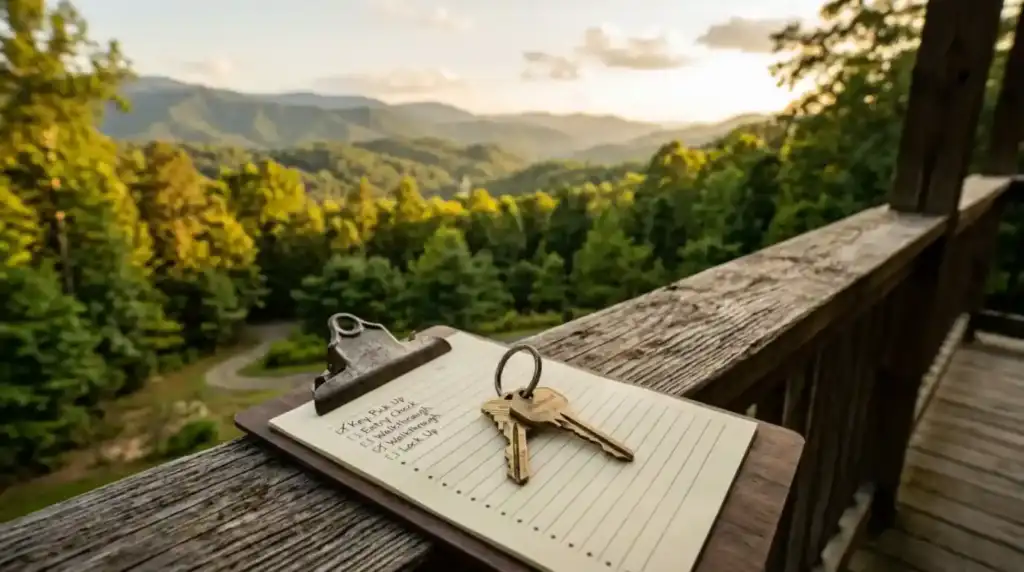
    The gap between a Dahlonega investment property that performs and one that underperforms almost always comes down to management quality.

    Lumpkin Co. Local Jurisdiction
    Full Scope Property Care
    Dynamic Seasonal Pricing
    Out-of-Area Investor Support

    Dahlonega has become one of the more compelling investment property markets in North Georgia. A steady tourism economy, a growing population of full-time and part-time residents, an easy reach to Atlanta, and the lifestyle pull of the Blue Ridge foothills all combine to create demand for both vacation rentals and long-term housing, and that demand shows no signs of weakening. Investors who positioned themselves here have generally done well, provided their properties are managed effectively.

    Professional property management is not an expense that eats your returns; it is the structural support that makes those returns achievable and keeps them that way.

    When weighing property management vs. self-managing your Dahlonega rental , many first-time owners underestimate the operational demands of ownership until they live through them. A professional management company handles that full range of demands on your behalf.

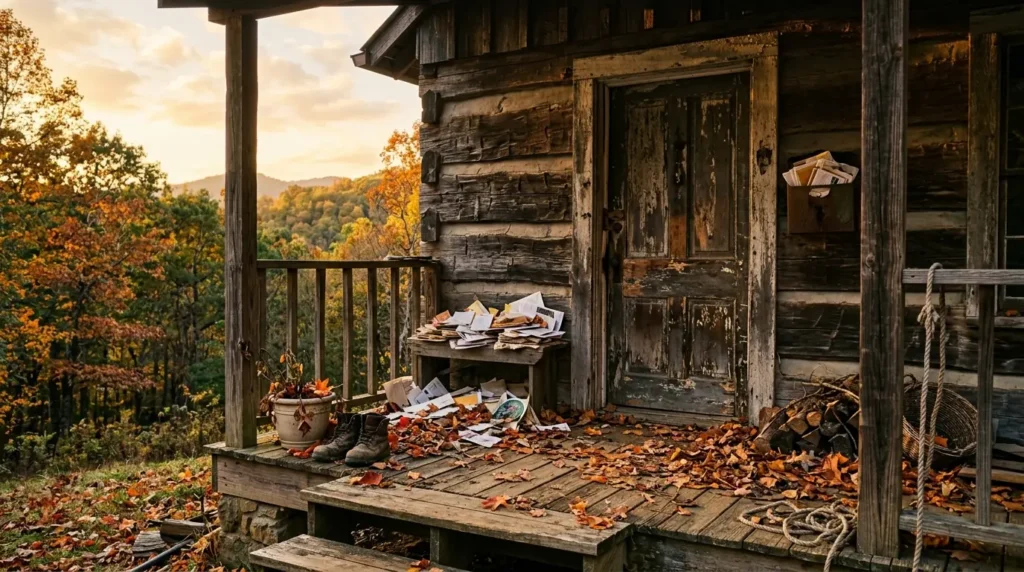
    Uncollected mail piling up on a rustic cabin porch next to a gutter overflowing with pine needles and fallen leaves
    Uncollected mail piling up on a rustic cabin porch next to a gutter overflowing with pine needles and fallen leaves

    What Professional Property Management Actually Does

    Managing residential real estate requires active oversight across guest communication, screening, maintenance, and accounting. Depending on whether you operate short-term or long-term housing, operational needs shift significantly.

    Management Focus Long-Term Rentals Vacation Rentals
    Primary Operations Tenant acquisition, background screening, and lease execution Guest communication, platform listings, and review oversight
    Pricing Strategy Stable lease terms aligned with regional market demand Dynamic pricing adapted to local tourism events and seasons
    Property Care Preventive maintenance, routine system checks, and lease turnover Frequent cleaning, rapid repair response, and active upkeep

    Finding qualified tenants is the foundational task of long-term rental management, and doing it badly is expensive. A professional manager markets your property, screens applicants rigorously against credit history, rental history, income verification, and background checks, selects qualified tenants, and prepares and executes legally compliant lease agreements.

    The Cost of Tenant Screening Missteps

    The cost of a bad tenant—between unpaid rent, property damage, and legal proceedings—far exceeds the cost of the management that would have prevented it. Strict tenant screening in the Dahlonega market is one of the most valuable assets an owner can have.

    For vacation properties, specialized Dahlonega vacation rental management covers the full guest-facing operation: listing across vacation rental platforms, professional photography to lift booking conversion, dynamic pricing to capture peak demand, booking management, guest communication, check-in and check-out, and guest review management. Done well, this operational layer is the difference between a vacation rental that holds high occupancy at strong rates and one that sits empty or draws problem guests.

    Mountain properties need more active maintenance than suburban homes in milder climates. Wood elements exposed to weather, roofing that takes wind and ice, HVAC systems pushed hard through temperature extremes, and well and septic systems that need monitoring all make constant demands, and those demands are often urgent when they hit. A professional manager has working relationships with qualified local contractors, responds to maintenance issues quickly, and manages repairs within pre-approved cost thresholds on your behalf.

    Financial Reporting & Legal Compliance

    Professional management includes accurate financial record-keeping, monthly owner statements, annual income and expense summaries for tax preparation, and handling of security deposits in line with Georgia landlord laws .

    The Case for Local Management in Dahlonega

    Quick answer: Local Advantage

    Local managers possess established contractor networks, deep understanding of Dahlonega’s tourism calendar, and direct familiarity with Lumpkin County municipal codes that national platforms or out-of-area managers cannot match.

    Not all property management is equal, and for Dahlonega specifically, local expertise matters for reasons that go beyond general competence:

    • Local Contractor Network: Dahlonega is not Atlanta. The contractor market in a mountain community this size is smaller, relationships count for more, and knowing which contractors are reliable and responsive is knowledge earned over years of local work. A management company based in Dahlonega has that network.
    • Tourism Pattern Knowledge: Dahlonega’s vacation rental demand follows the community’s tourism calendar: wine harvest season, the fall foliage peak, UNG football weekends, gold rush historical events, and the shoulder-season stretches in between. Dynamic pricing requires understanding those local patterns.
    • Regulatory Awareness: Lumpkin County and the City of Dahlonega have regulations that touch short-term rentals, building codes for rental properties, and occupancy rules that local managers know and follow.

    The ROI of Professional Management

    Working out the return on professional management means weighing both the cost of management and the better performance it produces. Whether you are evaluating short-term vs. long-term rentals in North Georgia , management fees sit against substantial financial benefits.

    Against management fees sit higher occupancy from better marketing and pricing, shorter vacancy through efficient tenant or guest acquisition, lower deferred maintenance costs from responsive preventive care, avoided legal costs from compliance-focused agreements, and the value of your own time not spent chasing property problems. For most owners, the math comes out clearly in favor of professional management, especially for out-of-area owners who have no infrastructure to handle Dahlonega-specific demands from a distance.

    Frequently Asked Questions

    How much does property management in Dahlonega typically cost?

    Property management fees vary based on the type of management (long-term vs. vacation rental) and the scope of services included. Long-term rental management fees are typically structured as a portion of monthly collected rent. Vacation rental management fees may be structured differently based on platform and service level. Contact Gold Peach Realty for current fee information.

    Can Gold Peach Realty manage my Dahlonega property if I live outside Georgia?

    Yes. Gold Peach Realty works with investment property owners from across the country. Our local presence in Dahlonega means we can handle everything on the ground while you receive regular reporting and oversight from anywhere.

    What types of Dahlonega properties do you manage?

    Gold Peach Realty manages single-family investment homes, vacation cabins, mountain retreat properties, and other residential investment properties in the Dahlonega and Lumpkin County area.

    How do I get started with Gold Peach Realty property management?

    Contact our team to discuss your property, your investment objectives, and how our management services can support your goals. We’ll walk you through our management agreement, fee structure, and onboarding process.

    What happens if a tenant damages my Dahlonega property?

    Professional management includes appropriate security deposit collection and handling, documentation of property condition at move-in and move-out, and coordination of any damage repair and security deposit claims in accordance with Georgia law. Gold Peach Realty’s tenant screening process also reduces the probability of problematic tenancies in the first place.

    Protect your Dahlonega investment with professional management

    Contact our local team today to discuss property management services for your mountain real estate portfolio.

    Search North Georgia homes with Gold Peach Realty

    or call (770) 283-1223