Quick answer (TL;DR)
Long-term rental management in North Georgia works best when an owner has one documented process for leasing, maintenance, resident communication, and reporting. The useful question is not whether every task can be handed off. It is whether the manager can explain who handles each decision, how the owner stays informed, and what happens when a property needs attention.
A good North Georgia property manager gives owners a clear operating rhythm for leasing, maintenance, resident communication, and records without promising outcomes that cannot be controlled.
What should long-term rental management actually solve?
For most owners, the value is fewer loose ends. A property needs a lease-ready plan, a way to receive and respond to resident questions, a maintenance path, and records that are easy to revisit. The details differ from home to home. The operating discipline should not.
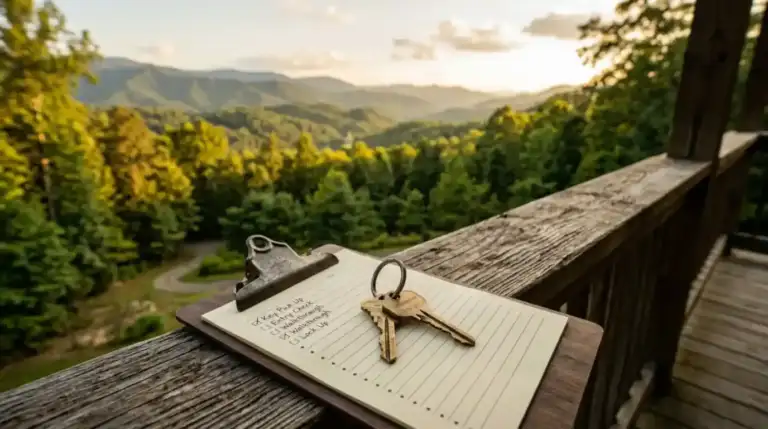
Set the handoff, documentation, access, and decision path before marketing starts.
Keep approvals, work orders, and resident communication in one reviewable record.
Use a steady reporting rhythm so an owner is not learning about an issue by surprise.
What long-term rental management looks like in North Georgia
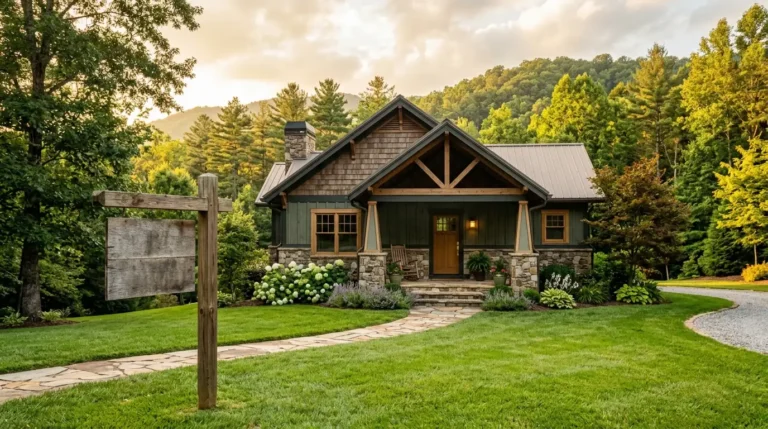
Long-term management is a service for owners who want a residential home handled as an ongoing operation rather than a series of last-minute favors. In Dahlonega, Lumpkin County, and nearby North Georgia communities, that starts with the property itself. A mountain-area home may have a steep drive, tree cover, exterior systems exposed to weather, or a longer vendor trip. Those conditions make access notes, maintenance history, and communication rules especially useful.
The first decision is scope. Some owners want a manager to coordinate nearly every resident-facing task. Others keep certain approvals or vendor relationships in-house. Either can work when the boundaries are written down. Our overview of rental property management in North Georgia is a useful starting point for defining those responsibilities.
| Operating area | What a clear plan should answer | What the owner should be able to review |
|---|---|---|
| Leasing | Who handles inquiries, showings, application steps, and lease documentation? | The process, approval points, and completed lease file. |
| Resident communication | Where do routine questions go, and who responds when something needs a decision? | A consistent contact path and a record of material conversations. |
| Maintenance | How are requests triaged, approved, scheduled, and closed out? | The request history, authorization record, and supporting invoice or vendor note. |
| Owner reporting | When does the owner receive an update, and what does it include? | A readable summary of activity and any open decisions. |
Start with the property and the owner's decision rules
Before a home is offered for rent, the manager and owner should walk through the practical details that do not fit neatly into a listing description. Where is the water shutoff? Which exterior areas need seasonal attention? Is there a gate, a shared drive, a septic schedule, a well, or a vendor the owner wants to keep? A simple property file gives the team something better than memory to rely on.
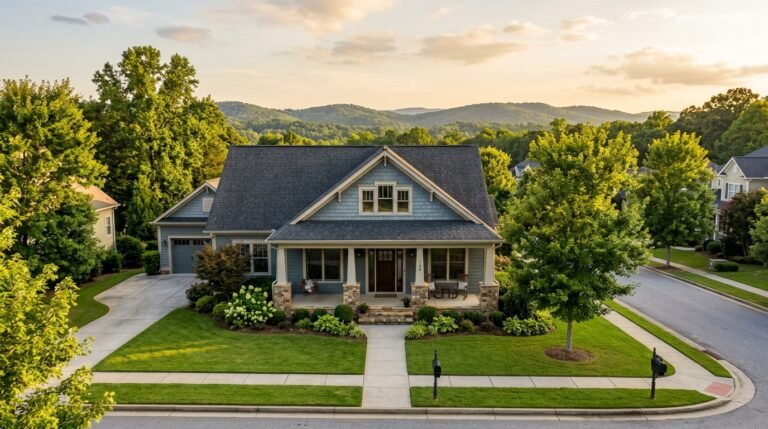
That preparation also helps distinguish a long-term rental from a short stay business. This article is about a residential tenancy and an ongoing home, not vacation rental operations. Owners evaluating a rental in a particular area can pair this approach with our guide to Dahlonega property management to frame the local questions before choosing a service model.
- Build the property file. Capture access details, known systems, prior service records, and owner contacts in one place.
- Agree on decision lanes. Define what can be handled routinely and what requires owner approval.
- Prepare the lease path. Keep the application, screening, lease, and move-in workflow organized and consistent.
- Set the reporting rhythm. Decide how the owner receives updates and how unresolved items are surfaced.
Maintenance is often where a management relationship proves its value or breaks down. The goal is not to promise that nothing will go wrong. It is to have a usable intake path and a clear record when something does. The owner should know how requests are received, which situations require immediate escalation, who can authorize work, and how follow-up is documented. For homes with heavier exterior exposure, our notes on mountain rental property maintenance can help owners turn recurring upkeep into a planned review instead of an afterthought.
How to compare a management approach without chasing a sales pitch
Owners often begin with a narrow question about a management fee. It is a reasonable question, but it cannot do all the work. A proposal should explain the service scope, leasing responsibilities, maintenance authorization process, owner communication, contract terms, and any circumstances that create additional charges. Ask for those details in writing. That lets you compare service models without pretending that two homes or two ownership goals are identical.
Use the first conversation to test how a prospective manager thinks. Can they describe the intake process? Can they explain how an owner is notified about a decision? Can they show how maintenance requests are tracked? Can they state what is outside the service scope? A direct answer is more valuable than a broad promise.
Owners with homes nearer Gainesville may also want to compare the local service context in our property management in Gainesville, GA guide. The location changes the vendor map and market context, but the basic management questions remain the same.
Use turnover as a review point
A resident move-out is a practical moment to look at the entire operation. Review the condition documentation, work completed, vendor response, access details, and any questions that slowed the prior lease cycle. The point is not to build a larger process for its own sake. It is to remove one recurring source of uncertainty before the next resident needs an answer.
Owners should also use that review to decide whether their expectations still match the agreement. A home may need a different maintenance approach after a season of use. An owner may want a different approval threshold or a clearer report format. Writing those changes down protects both the owner and the manager from working from different assumptions. A short written recap can also prevent a routine conversation from being remembered as an authorization later, especially when several people are involved.
Frequently Asked Questions
What is long-term rental management?
It is the ongoing coordination of a residential rental home. The scope can include leasing, resident communication, maintenance coordination, records, and owner reporting.
What should I ask before hiring a North Georgia property manager?
Ask how leasing, resident communication, maintenance approvals, reporting, and contract terms are handled. Request the answers in writing so the service scope is easy to compare.
Can I keep control of major repair decisions?
Often, that can be addressed in the management agreement. The important part is setting a practical approval path before a repair request arrives.
How should maintenance requests be handled?
Residents need one clear route for requests. Owners should know how urgency is assessed, how approvals work, and how completion is documented.
Do mountain rental homes need a different maintenance plan?
They can. Access, tree cover, slopes, weather exposure, and utility systems may change the maintenance checklist. Review the actual property rather than relying on a generic list.
What records should a rental owner keep?
Keep leases, condition documentation, maintenance history, vendor records, approvals, and owner statements in an organized file. Ask qualified professionals what is required for your situation.
How often should an owner hear from a property manager?
There is no single right cadence. The agreement should state how routine reporting works and how open decisions or material issues are communicated.
Is long-term rental management the same as short-term rental management?
No. Residential long-term management has a different operating rhythm, resident relationship, and compliance picture. Confirm the rules that apply to the property and intended use.
What should be included in a management proposal?
Look for scope of services, leasing steps, communication expectations, maintenance authorization, contract terms, and a clear explanation of any charges or exclusions.
Can a manager help me prepare a home before it is rented?
A manager may help coordinate a lease-ready plan, but the exact scope varies. Ask which inspections, repairs, documentation, and vendor coordination are included.
Need a North Georgia real estate conversation?
If your next step is buying or selling rather than managing a rental, Explore North Georgia real estate options with Gold Peach Realty or call (770) 283-1223.