Rental property managementDahlonega & Lumpkin County, GA
Dahlonega Property Management for Rental Owners
A useful property management agreement turns recurring rental work into a written system. Owners should be able to see who handles applications, money, repairs, records, notices, and emergencies before anyone signs.
Owner guides
Start with the essentials
- Landlord services
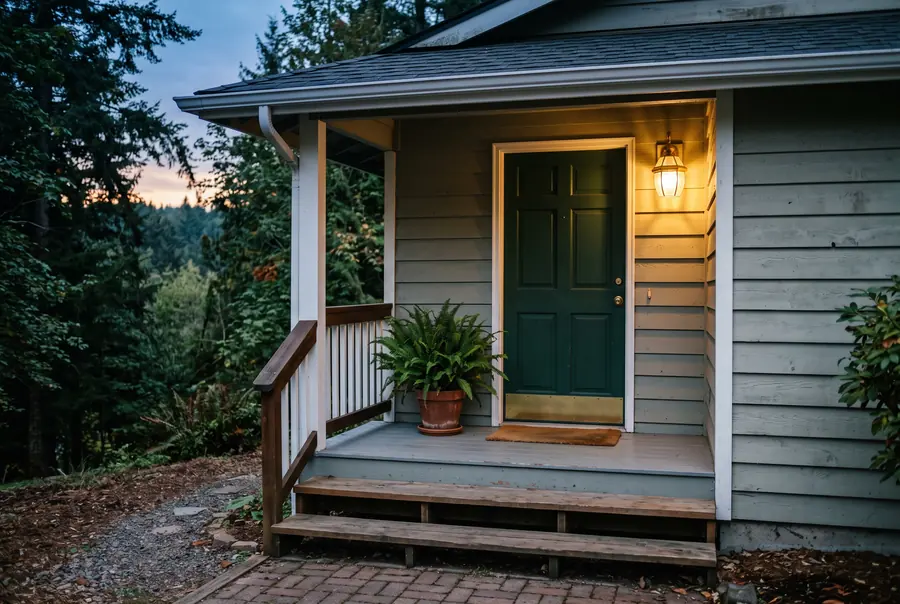 Landlord Services in Dahlonega, Georgia: The Full Menu, ExplainedRead the guide
 - Fees
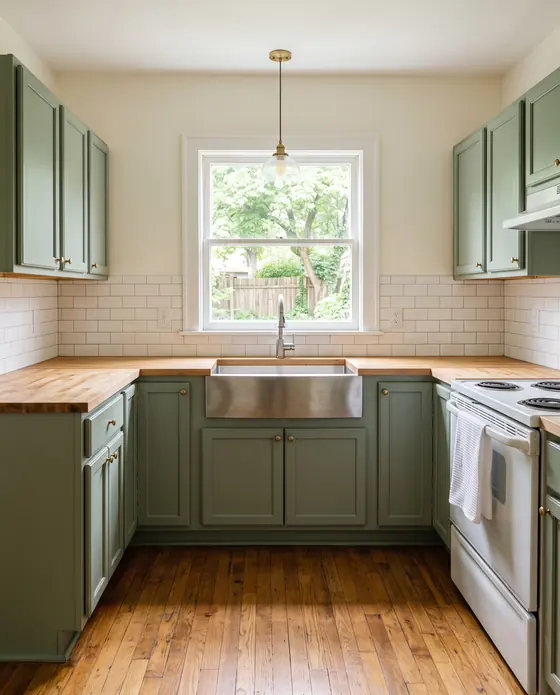 What Do Property Managers Charge in Dahlonega?Read the guide
 - Landlord law
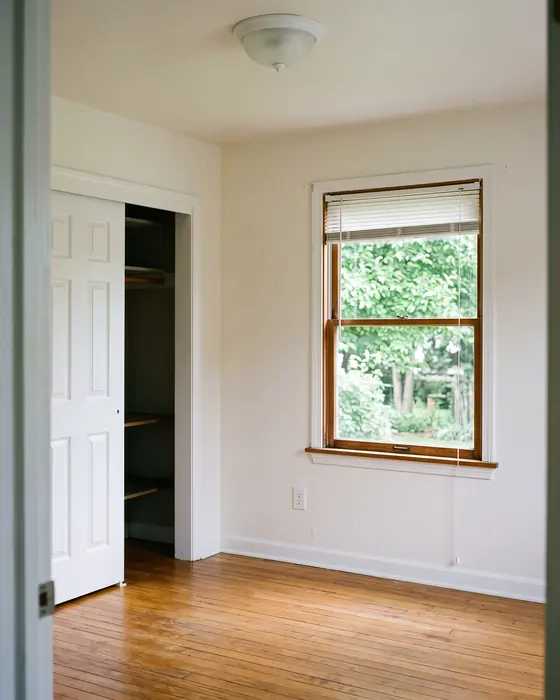 Georgia Landlord Laws: What Dahlonega Property Owners Must Know in 2025Read the guide
 - Maintenance
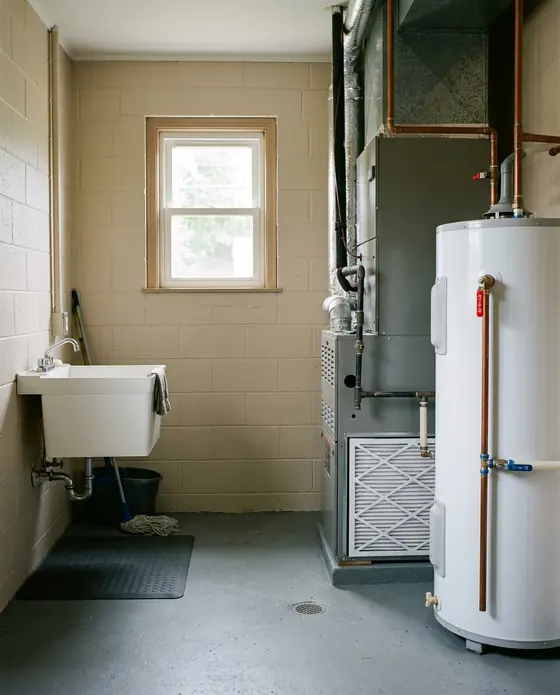 How Do You Maintain a Rental in the North Georgia Mountains?Read the guide
Dahlonega property management should give a rental owner one accountable process for preparing the home, screening applicants, documenting the lease, coordinating maintenance, collecting rent, and reviewing the property. The right agreement explains each responsibility in writing, names the approval limits, and shows exactly how the owner receives records and updates.
Scope
What should Dahlonega property management cover?
Property management is a chain of small decisions, not a single monthly task. A complete scope starts before the listing goes live. The home needs a factual condition review, a list of repairs, clear utility arrangements, written owner instructions, and a rent recommendation based on current comparable rentals. Once applications begin, the process shifts to screening, documentation, leasing, move-in records, collection, maintenance, and communication.
The management agreement should say which of those jobs are included and which require separate approval. It should also explain how owner funds are held, how invoices appear on statements, when the manager contacts the owner, and what happens when a repair cannot wait. A short sales page cannot answer those questions. The signed agreement and operating procedures have to do that work.
A cabin on a private road, an in-town house, and a townhome can create different maintenance, access, utility, parking, and association questions. The operating plan should reflect the home in front of you. If you are still deciding between a vacation rental and a standard lease, compare short-term and long-term rentals in North Georgia first.
| Management area | What the owner should see in writing | Useful record |
|---|---|---|
| Property readiness | Inspection responsibility, repair approvals, included appliances, and utility setup | Condition notes, dated photos, invoices, and warranties |
| Applicant process | Advertising, application steps, written criteria, screening notices, and decision ownership | Criteria, applications, reports, notices, and communication log |
| Lease operations | Signing authority, rent collection, renewals, entry, notices, and move-out procedure | Lease, addenda, ledger, notices, and inspection records |
| Maintenance | Contact path, approval limits, emergency handling, vendor documentation, and follow-up | Work orders, approvals, photos, invoices, and completion notes |
| Owner reporting | Statement schedule, available documents, payout method, and year-end record delivery | Statements, receipts, tax documents, and owner correspondence |
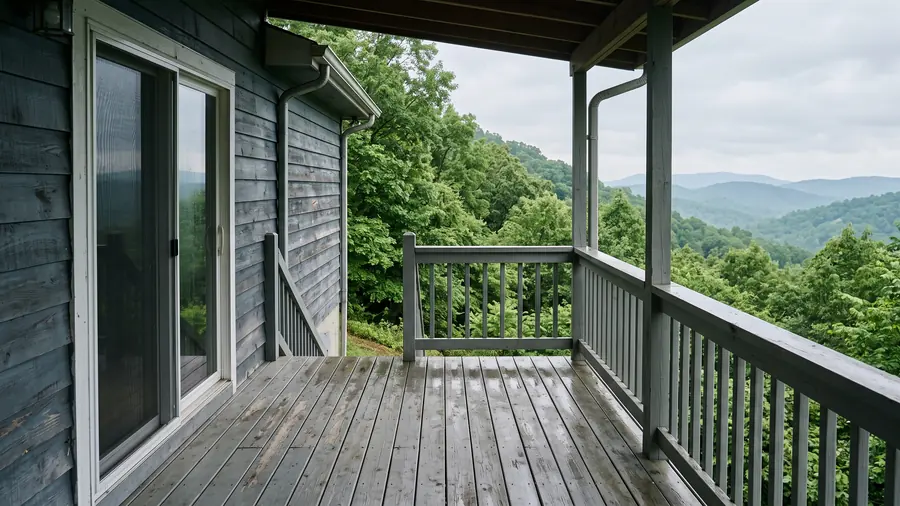
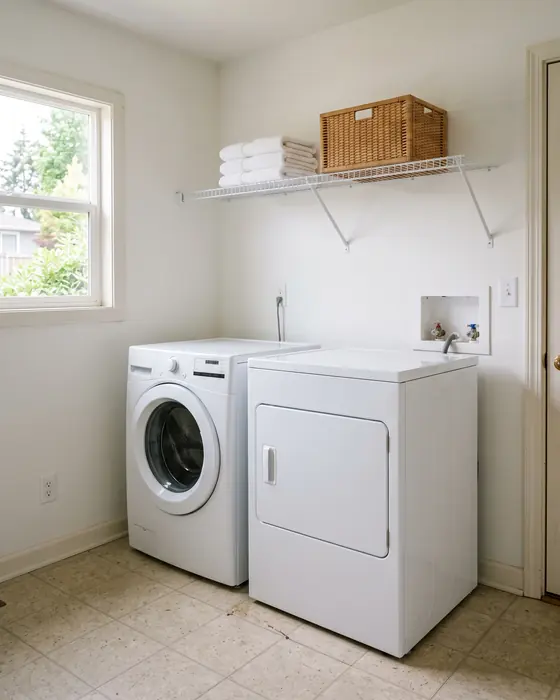
Prep & marketing
How should a manager prepare and market the rental?
Preparation comes before promotion. Water intrusion, heating and cooling, plumbing, electrical concerns, locks, handrails, steps, smoke alarms, drainage, and safe access deserve attention before cosmetic work. The manager should document what was reviewed, what the owner approved, and what remains outside the scope. Owners should not have to reconstruct that history after a tenant moves in.
Rent recommendations should come from current comparable long-term rentals with meaningful similarities. Location, size, condition, parking, utility arrangements, access, and included services all matter. The guide to estimating rent for a Dahlonega house explains why a mortgage payment or a broad online estimate is not enough. The owner still needs a separate operating budget for repairs, vacancy, insurance, taxes, and professional services.
A manager can explain the method used to recommend rent and market the property. No honest proposal can promise a specific tenant, a perfect payment history, zero vacancy, or a fixed repair outcome.
Tenant process
What should the tenant process look like?
A reliable tenant process is repeatable on an ordinary Tuesday, not something invented after an application or repair call arrives.
Applications
Written criteria should exist before the first application arrives. The manager should explain what information is requested, how incomplete applications are handled, which screening provider is used, how personal information is protected, and how the same standards are applied. The U.S. Department of Housing and Urban Development maintains fair housing information for housing providers and applicants. A manager’s process should account for the current requirements that apply to the property and the screening method.
Lease & move-in
The lease and move-in record should be equally deliberate. The lease needs to address rent delivery, utilities, maintenance requests, entry, pets, notices, and move-out expectations for that property. The Georgia Department of Community Affairs publishes a Georgia landlord-tenant handbook for general education. It does not replace legal advice about a specific lease or dispute.
- Quick owner check
Ask the manager to walk through one application, one routine repair, one emergency, and one monthly statement from beginning to end. The answer should identify who acts, when the owner is contacted, which document is created, and where that record appears. Vague answers at the proposal stage usually stay vague after move-in.
Maintenance
How should maintenance and owner communication work?
Maintenance is where a written management plan meets the real house. The agreement should identify the normal request channel, the emergency channel, any owner approval limit, who can authorize work when the owner cannot be reached, and how vendor invoices are documented. It should also explain whether the manager adds a coordination charge or uses affiliated vendors. Owners should compare the complete cost and responsibility rather than focusing on one headline fee.
Dahlonega and Lumpkin County properties can create practical access questions that do not show up in a generic form. A steep drive, private road, well, septic system, creek crossing, heavy tree cover, or distance from a service provider may affect how quickly work can be assessed. Those details should be recorded during onboarding and shared with the people who may receive a call later.
Maintenance workflow
- Document the starting conditionRecord systems, access, shutoffs, appliances, known issues, warranties, and owner instructions before move-in.
- Define normal and urgent workGive tenants one reporting path and define how the manager distinguishes a routine request from a condition that needs immediate action.
- Set approval and communication rulesState when the owner is contacted, what may proceed without prior approval, and how an unreachable owner is handled.
- Close the recordKeep the request, diagnosis, approval, invoice, payment, photos, and completion note together.
Comparing proposals
How do owners compare property management proposals?
Compare scope before price. One proposal may include routine inspections, lease renewals, and maintenance coordination while another charges separately or leaves those jobs with the owner. The published guide to property management fees in Dahlonega lists the questions to ask without treating one advertised number as the whole cost. For the wider checklist, see how to choose a property management company in Dahlonega.
Read the cancellation terms, signing authority, repair process, insurance requirements, owner-fund rules, statement schedule, and dispute procedure. Ask who will actually answer after onboarding. If the owner inherited the house, shared ownership, title, deferred work, and family decisions may need attention first; the article on renting out an inherited house in Georgia lays out that preliminary file.
Services
What landlord services does a Dahlonega property management company provide?
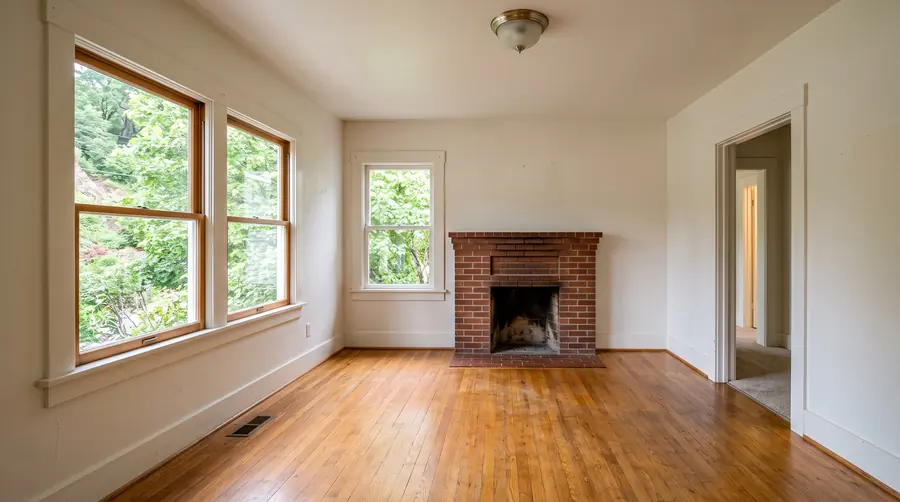
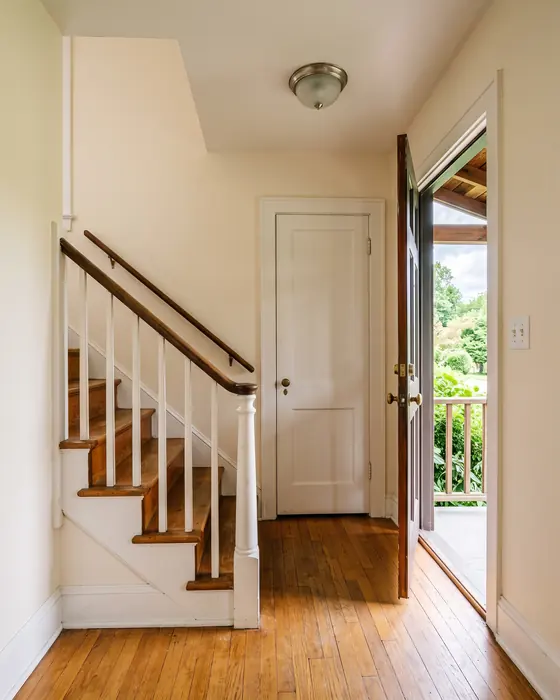
A Dahlonega property management company handles the landlord services owners ask about: tenant screening, rent collection, maintenance coordination, inspections, and lease compliance for rentals in Dahlonega and across Lumpkin County. Owners keep ownership decisions; the manager handles the day-to-day workload. Owners with rentals farther south can read about property management near Gainesville, GA.
- Tenant screeningRead the landlord services guide
- Rent collection
- Maintenance coordination
- Inspections
- Lease compliance
FAQ
Frequently Asked Questions
What does a Dahlonega property manager usually handle?
The exact scope varies by agreement. A full proposal may cover property preparation, advertising, applications, screening, leasing, collection, maintenance coordination, notices, inspections, statements, renewals, and move-out records. Confirm every included task and every separate charge in writing.
How is rent recommended for a Dahlonega home?
A useful recommendation compares current long-term rentals with similar location, size, condition, parking, utilities, access, and included services. Ask to see the comparison method and the date of the information. Do not set rent from the mortgage payment alone.
What should tenant screening include?
Ask for the written criteria, application sequence, screening provider, required notices, privacy controls, and consistency process. The manager should explain the method without promising a perfect tenant or an outcome that no screening report can guarantee.
Who decides which repairs are approved?
The management agreement should set the owner’s approval rules and explain the emergency exception. It should name who can authorize work, how the owner is contacted, what happens if the owner cannot be reached, and which records appear afterward.
What should appear on an owner statement?
A statement should make money in and money out understandable. Ask how rent, owner contributions, management charges, vendor invoices, refunds, deposits, and payouts are shown, and how the supporting documents can be accessed.
How should a remote owner evaluate a local manager?
Ask for the named local contact, after-hours process, inspection method, vendor documentation, communication standard, and sample statement. Then walk through a realistic repair scenario. The response should show a process, not a collection of reassuring phrases.
Does a management agreement replace legal or tax advice?
No. A manager can administer the agreed rental process, but property-specific lease questions, disputes, ownership changes, and tax treatment may require a Georgia attorney or tax professional. Ask which matters the manager refers out.
What records should the owner keep?
Keep the signed agreement, lease, addenda, applications, screening notices, condition photos, inspection notes, ledger, statements, work orders, invoices, insurance records, tax documents, approvals, notices, and communications. Store sensitive tenant information securely.
How often should the owner review the rental plan?
Review it when a lease changes, the property condition changes, insurance renews, a major repair is planned, or the owner’s goals change. A scheduled annual review is also a practical time to confirm contacts, approval rules, documents, and reserve planning.
What questions should I ask before signing?
Ask who does each task, who signs, how applicants are evaluated, how repairs are approved, what every charge covers, when statements and payouts arrive, how notices are handled, what insurance is required, and how either side may end the agreement.
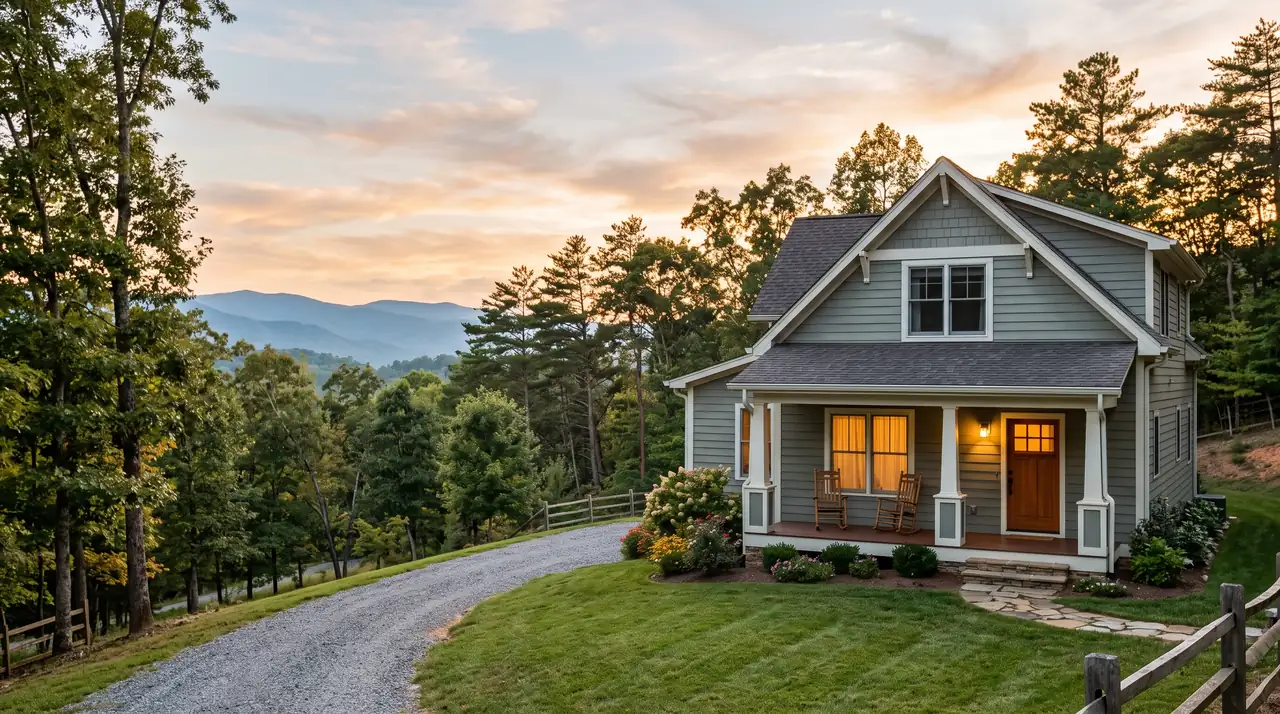
Need a clear next step for a Dahlonega property?
Discuss the property’s condition, rental plan, or possible sale with a North Georgia real estate professional.
Talk to a Dahlonega and Lumpkin County real estate expert at Gold Peach RealtyCall (770) 283-1223
From the landlord library
All owner guides-
How Much Can You Rent Your House For in Dahlonega?
Dahlonega rental prices vary based on property size, condition, location, and proximity to town or the North Georgia mountains.
-
Should You Sell or Rent Out Your Dahlonega House?
Most owners who choose wrong on this decision skipped the honest math.
-
Long-Term Rental Management in North Georgia
Long-term rental management in North Georgia works best when an owner has one documented process for leasing, maintenance, resident communication, and reporting.
-
Property Management Near Gainesville, GA
Hall County sits at the southern edge of the North Georgia rental corridor.
-
What Does a First-Time Landlord in Georgia Need to Know?
Before your first tenant moves in, you need clear title in your name, a habitable property, a written lease, and the security deposit in a separate escrow account.
-
Inherited a House in Georgia: Should You Rent It Out?
Renting out an inherited house in Georgia can work well if you clear probate, transfer the title cleanly, and are prepared to act as a landlord.
Gold Peach Realty listings
Homes for sale near Dahlonega
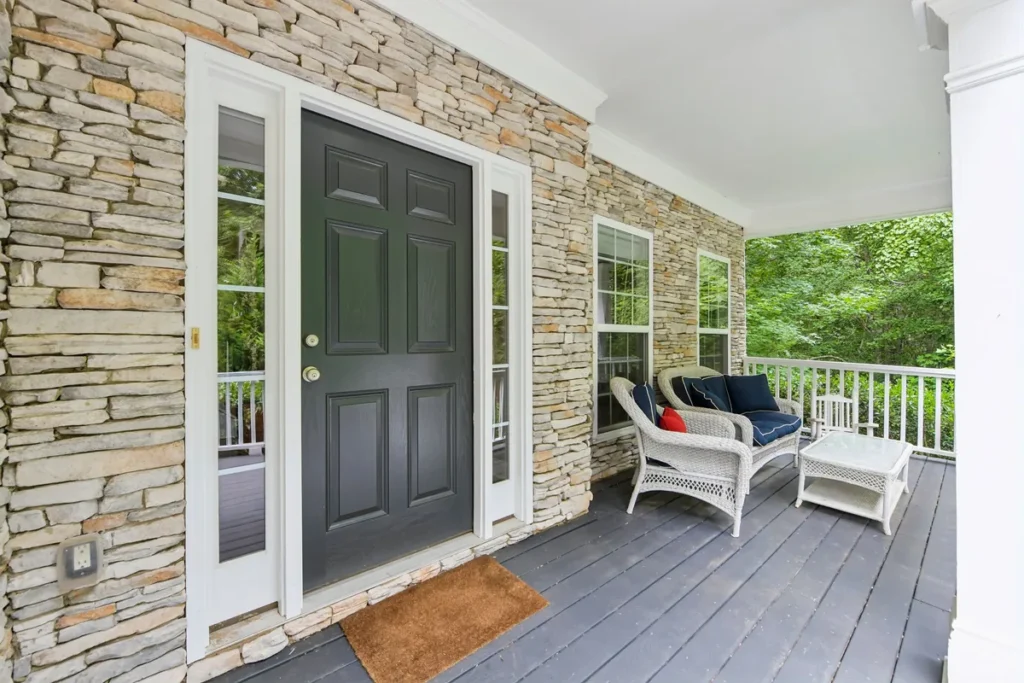
Current listings from Gold Peach Realty, the local brokerage behind this site. Photos, prices and details come straight from the MLS.
Selling a home? List with Gold Peach Realty and your home is featured here and across our local community sites. How Gold Peach Realty markets homes
Search Dahlonega homesListings open on goldpeachrealty.com, the website of our brokerage, Gold Peach Realty. Listing information is deemed reliable but not guaranteed.