
Blog

Guides for rental owners in Dahlonega and Lumpkin County, Georgia.

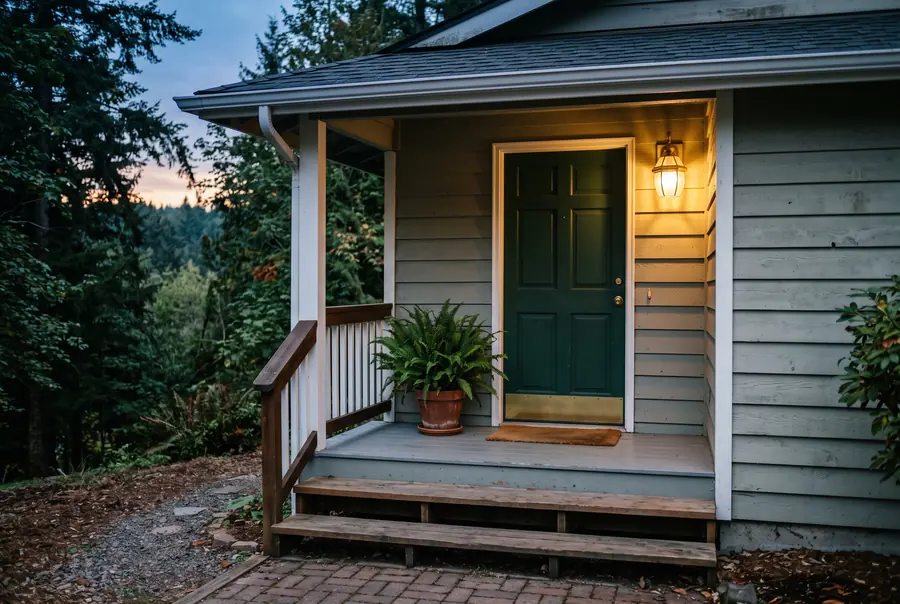
A small porch at dusk with a dark green front door, a lit lantern, a potted fern and wooden steps, with evergreen trees behind

The guides in full

Every guide listed above, start to finish.

  • Quick answer

    Quick answer (TL;DR)

    Landlord services in Dahlonega, Georgia cover tenant placement and screening, lease administration, rent collection, maintenance coordination, property inspections, and owner reporting. The scope depends on the written agreement. A clear arrangement names who handles each recurring job, what requires owner approval, and how property activity is documented and reported throughout the tenancy.

    Landlord services in Dahlonega, Georgia typically span five areas: finding and placing a qualified resident, maintaining the property during occupancy, collecting rent and reporting to the owner, conducting property inspections, and managing move-out. Each area has its own responsibilities and approval points.

    The phrase “landlord services” covers a lot of ground. A property manager may use it to describe a full operating arrangement with monthly reporting, vendor coordination, and documented inspections. Another company may mean placing a resident and collecting the monthly payment. The difference shows up in the written agreement, not the sales conversation.

    For a rental home in Dahlonega or the surrounding Lumpkin County area, the work typically divides into five recurring functions: marketing and leasing, resident communication and payment handling, maintenance coordination, property inspections, and end-of-tenancy work. Financial administration and owner reporting run alongside all five. The Dahlonega property management overview describes how these functions connect from the owner’s perspective.

    PlacementMarketing, applications, and screening through to a signed lease
    OperationsRent collection, maintenance, inspections, and resident communication
    RecordsMonthly owner statements, inspection reports, and documented handoffs
    Ask for a written list of services before any agreement. Verbal commitments do not survive a dispute, and a clear written scope protects both parties from different assumptions about who does what.

    Tenant placement and screening

    Placing the right resident starts before the application arrives. The listing should describe the property honestly, price it against current comparable rentals in Dahlonega, and reach a realistic audience for the home. Properties in this area attract people relocating for remote work, families drawn to Lumpkin County schools, and retirees looking for proximity to the North Georgia mountains and communities along the Chestatee River corridor.

    Applications and screening follow. The criteria for approving a resident should be written down and applied consistently to every applicant. A manager handling tenant screening in Georgia will typically evaluate credit history, income documentation, and prior rental history. The process should be the same for each applicant, regardless of the manager’s instinct about a particular inquiry.

    Lease preparation and move-in documentation close the placement phase. A move-in inspection checklist, condition photographs, and a written statement of the tenant’s responsibilities under Georgia law give both parties a record they can return to at renewal or move-out. These documents matter most when a question comes up later, so skipping them because the tenancy looks uncomplicated is a mistake that compounds over time.

    Placement checklist

    What to confirm before a resident moves in

    Before the keys change hands, confirm the signed lease, a completed move-in inspection with dated photographs, the handling of security deposit funds, the utility transition plan, and the resident’s primary contact for maintenance requests. A move-in with missing documentation takes longer to close than one where the checklist runs before the appointment.

    Rent collection and owner reporting

    Rent collection looks simple until something goes wrong. When does a payment count as received? What does the lease say about late fees, and does the management agreement align with it? Who sends the late-payment notice, on what day, and in what written form? These questions should have settled answers before any tenant moves in, not when the first payment comes in short.

    Owner reporting is what makes collection useful rather than opaque. A monthly statement should connect each payment to the ledger, itemize maintenance charges against the repair they relate to, and show the net disbursement. If the manager holds a maintenance reserve, that balance should be a separate line so the owner can track it without asking.

    Fees are part of this picture. What the manager charges, and when those charges appear, should be readable from both the agreement and the monthly statement. The guide to property management fees in Dahlonega covers the common charge structures without settling on a made-up universal percentage.

    A monthly statement that doesn’t explain itself isn’t doing the job. The owner should be able to follow the money without calling to ask what a line item means.

    Maintenance coordination for North Georgia properties

    Maintenance coordination is where landlord services either hold together or show their limits. The useful question isn’t whether the manager answers a call. It’s how work gets authorized, assigned, completed, documented, and reported back to the owner.

    Properties in the Dahlonega area come with conditions that generic maintenance templates often overlook. A well pump, a gravity-fed septic system, a long gravel driveway, a crawl space that pulls in moisture seasonally, or a home set on a wooded slope each adds complexity to an otherwise ordinary service call. A manager who records accurate property notes before the first resident moves in handles these situations differently than one who learns about the septic system when the tank needs pumping.

    The guide to rental property maintenance in the North Georgia mountains details the seasonal upkeep patterns specific to this elevation and tree cover. The gap between a well-maintained mountain rental and one that generates repeated emergency calls is largely a front-end documentation problem.

    Maintenance authorization limits should be explicit in the agreement. Without a written approval threshold, the owner may receive invoices for work that was never discussed. A solid agreement defines what the manager can authorize independently and what requires the owner’s sign-off first, along with an emergency exception for urgent property protection.

    Property inspections, renewals, and move-out

    Inspections serve different purposes at different points in a tenancy, and the owner should understand what each type does and does not cover.

    Inspection typePurposeWhat to confirm in writing
    Move-inEstablishes the starting condition of the propertyWritten checklist, dated photographs, and tenant acknowledgment
    Routine (mid-tenancy)Identifies visible maintenance needs and lease compliance within the defined scopeFrequency, visit scope, follow-up process, and photo delivery to owner
    Move-outDocuments returned condition compared with the move-in recordComparison method, deposit accounting timeline, and owner review step

    Lease renewals should start early enough for the owner to weigh the current tenancy, the property’s condition, the market, and any planned repairs before a decision is required. If the renewal arrives as an unsigned document with a short deadline, the process started too late. Ask the manager what timeline they use and what information the owner receives before terms are proposed.

    Move-outs pull every operating system into the same short window. Notice, access coordination, condition documentation, cleaning decisions, repair authorizations, deposit accounting, and the next marketing cycle can overlap within a few weeks. The manager should be able to walk through this sequence without leaving a handoff unaddressed.

    For a broader picture of how the full operating cycle connects from vacancy to re-leasing, the Dahlonega property management resource describes each phase and the owner decisions involved.

    How to read a landlord services agreement

    The agreement is where the landlord services conversation becomes a commitment. A few reading habits help owners catch gaps before signing rather than after.

    1. Map the responsibilities
      For each recurring job, confirm who is responsible, what triggers the work, and what record the owner receives. Vague verbs like “coordinate” and “oversee” need context: do they mean direct execution or passing the task to someone else?
    2. Trace the approval flow
      Identify which decisions stay with the owner and which the manager can make independently. Write down the emergency repair authority, the routine repair limit, and the renewal decision process.
    3. Look at the full fee picture
      Connect every charge to the service or event that triggers it. Look beyond the recurring management fee and ask about lease-signing charges, maintenance markups, and early-termination terms.
    4. Check the exit terms
      Understand how the agreement ends, what records transfer back to the owner, how open maintenance items are handled, and what happens to any funds held in reserve.
    5. Request sample documents
      Ask for a blank agreement, a sample owner statement, and a sample inspection report. These show how the company works after the sales conversation is over, not during it.

    Frequently Asked Questions

    What do landlord services in Dahlonega, Georgia typically include?

    Landlord services generally cover tenant placement and screening, lease preparation, rent collection, maintenance coordination, property inspections, owner reporting, and move-out administration. The scope depends on the written agreement. Ask for a complete list of included services, which carry separate charges, and what falls outside the agreement entirely.

    How is tenant screening handled in Dahlonega?

    A manager handling tenant screening in Georgia will typically evaluate credit history, income documentation, and prior rental history. The criteria should be written, applied consistently to every applicant, and explained before the first application is received. Ask for the written criteria and the process the manager follows when a screening result falls in a gray area.

    Who is responsible for authorizing maintenance repairs?

    The management agreement defines who can authorize repairs and up to what dollar amount. Routine repairs below a set threshold may be handled by the manager without owner approval. Larger repairs or emergency situations may require owner notification or sign-off. Confirm both limits in writing before the agreement is signed.

    How much do landlord services cost in Dahlonega?

    Management fees vary by provider and scope. A guide to property management fees in Dahlonega covers the common charge structures without relying on a made-up universal rate. Ask for the complete fee schedule, then connect each charge to the service or event that creates it, including any charges beyond the recurring management fee.

    How often will the property be inspected?

    Inspection frequency and scope depend on the management agreement. A move-in record, periodic mid-tenancy check, and move-out inspection are standard. Ask what each type of inspection includes, whether photographs are provided, how the manager follows up on items that need attention, and how the report reaches the owner.

    What happens if the tenant doesn’t pay rent on time?

    The management agreement should describe the late-payment process: the grace period defined in the lease, the notice type and timing, and whether the manager can proceed without a separate owner decision. Ask how the owner is notified, what happens if payment isn’t received after the notice, and what records document each step.

    Are landlord services the same as full property management?

    The terms are often used interchangeably, but the scope can differ significantly between providers. Full-service property management typically covers the entire operating cycle, while some landlord services arrangements focus on placement only or a narrower set of recurring tasks. Read the agreement scope, not the label on the service package.

    What makes rental properties in Dahlonega different to manage?

    Properties in Dahlonega and Lumpkin County often include wells, septic systems, gravel driveways, crawl spaces, and wooded lots with seasonal maintenance needs that urban management agreements don’t address. A manager should gather detailed property notes before the first tenancy and have established vendor relationships for the systems that come up most often in this area.

    How do I know the manager is keeping accurate records?

    Ask for a sample monthly statement and a sample inspection report before signing. These documents show the actual record-keeping standard. A good statement connects each transaction to a clear record. A good inspection report includes dated photographs and identifies the follow-up action for each item found.

    What should I ask before signing a landlord services agreement in Dahlonega?

    Ask who is responsible for your property after the agreement is signed, how maintenance is authorized and documented, what you receive each month, how the manager handles a late payment or an urgent after-hours call, and how the agreement ends. Written answers to these questions reveal more about the operating process than any overview document.

    Thinking about selling your Dahlonega property instead?

    If a sale makes more sense than renting, Gold Peach Realty serves Dahlonega, Lumpkin County, and the surrounding North Georgia area. Call (770) 283-1223 to speak with a licensed agent.

    Explore Dahlonega, Lumpkin County, North Georgia homes with Gold Peach Realty
  • By Dahlonega Property Management Editorial Team

    Quick answer (TL;DR)

    A North Georgia vacation home usually needs three things from management: scheduled walkthroughs while it sits empty, maintenance timed to the mountain calendar, and a local contact who can act when something breaks between your visits. Full management, periodic check-ins, and self-managing with trusted local help all work. They differ in cost and in how much of the worry they take off your plate. This guide explains what each level covers and how to choose.

    Vacation home property management in North Georgia covers between-visit inspections, seasonal upkeep, vendor scheduling, and the option to rent the home long-term. Here is what owners across the mountain counties should expect a manager to handle.

    What vacation home property management covers in North Georgia

    Plenty of vacation homes in the North Georgia mountains belong to owners who live somewhere else. A cabin outside Helen, a house near Amicalola Falls, a place in Blue Ridge or Ellijay bought for weekends and holidays: the pattern repeats across the region, and so does the problem. Nobody is watching the property on a Tuesday in February.

    Vacation home property management fills that gap. Across Lumpkin, White, Fannin, Gilmer, and the neighboring counties, the service generally combines four jobs: inspecting the home on a fixed schedule, keeping up maintenance the climate demands, lining up vetted local vendors when something fails, and, if you want it, preparing the home for tenants. How much of that you hand over is your call.

    Between-visit inspections and security

    The walkthrough is exactly what it sounds like: a manager or inspector opens the door on a set cadence, runs water at every fixture, cycles the HVAC, checks the water heater and under every sink, looks for pest entry, and confirms doors, windows, and alarms are as you left them. Each visit should end with a dated photo report you can read from your phone. Over a year those reports build a record your insurer will appreciate if you ever file a claim.

    Security sits alongside the inspection. Smart locks or lockboxes control who enters and when. Motion lights, cameras where appropriate, and a neighbor who knows the home is managed all make the house less of a target. In winter the visits matter most: a burst pipe in an empty mountain home can run for days before anyone notices, and the repair bill reflects every one of them.

    Mountain maintenance the calendar drives

    The North Georgia seasons dictate the work. Gutters and valleys need clearing after the leaf fall, because a clogged gutter dumps water against the fascia all winter. Decks and railings need cleaning and sealing on a repeating cycle before mountain humidity and sun alternating on the same board finish them. Chimneys used through a Dahlonega winter should be swept and inspected each year. Driveways on slopes need grading and drainage attention so storms cut channels instead of ruts. Crawl spaces want a moisture check in the humid months, and the pest pressure of a wooded lot never really stops; it just changes species. Our guide to rental property maintenance in the North Georgia mountains breaks the full year down task by task.

    Turning the vacation home into a long-term rental

    Some owners reach a point where the home should earn its keep between visits, and North Georgia supports that move well: university demand around Dahlonega, tourism employment around Helen and Blue Ridge, and general growth along the Highway 400 corridor all pull year-round tenants. Converting a vacation home to a long-term rental is a different discipline from leaving it empty, with screening, leases, Georgia landlord-tenant law, and a management agreement in play. If that is the direction, start from our guide to long-term rental management in North Georgia, which covers what changes the day a tenant signs.

    Short-term stays are the other path, and they carry a caveat: before offering a home for overnight rental, verify the rules that apply to the property. Homeowners association covenants, and in some areas county regulations, can restrict short-term rentals, and neither a manager nor an owner should assume permission. Request the current covenants and any county requirements in writing, and read them, before listing a single night. In a gated community such as Achasta, that starts with the HOA documents; our page on Achasta rental homes lists what to confirm before relying on any rental listing. Short-term operation also demands more of whoever runs it, with turnovers, cleaning, and guest communication running on a schedule a long-term lease never demands.

    Managing from out of state: vendors, keys, storms

    Distance is why most owners hire local help in the first place. A manager keeps a bench of trades who already work in the county: a plumber who will drive up from Dahlonega, an HVAC tech who knows the units common in mountain homes, a tree service with the equipment for a ridge-line lot. Access is solved once with a lockbox or smart lock instead of a key under the mat. When a storm rolls through, someone local can check the roof line and the driveway the next morning, send photos, and give you a same-week decision instead of a next-month surprise.

    Ask any manager you interview how emergency work is approved and paid. The workable answers are a written spending limit you set, receipts for everything above it, and a clear markup policy on vendor invoices, meaning whether the manager charges a percentage over the tradesman’s bill. Ask for that policy in writing before the first invoice arrives.

    How the counties differ

    The work shifts a little by county. Around Dahlonega and the Amicalola Falls area in Lumpkin County, guest traffic and second homes mix with working farms and university rentals. Helen in White County concentrates cabins on steep lots where driveway and tree work matter most. Blue Ridge in Fannin County and Ellijay in Gilmer County carry a heavier share of true second homes, with well and septic systems that want routine attention an absentee owner rarely gives them. Down toward property management near Gainesville, GA, Hall County adds lake-adjacent homes, and around Lake Lanier dock and shoreline work runs through the Army Corps of Engineers permit process rather than a private one. A good manager quotes you their service map plainly; ask for it.

    Three service levels, compared

    Full managementPeriodic check-insSelf-managed with local help
    Who visitsManager, on a set schedule plus after stormsInspector, monthly to quarterly by agreementYou, plus a neighbor or handyman
    What gets checkedEverything: systems, envelope, vendors, tenants if anyInterior walkthrough, moisture, pests, securityWhatever you arrange ad hoc
    RepairsManaged end to end within your written limitReported with photos; you hire the fixYou hire every fix remotely
    Best forOwners who want the home handled, not watchedOwners nearby or handy, wanting an extra set of eyesOwners with solid local relationships already
    Owner involvementApprovals and budgetsScheduling and decisionsEverything

    What to ask before hiring a vacation home property manager

    • References from owners of similar homes in the same county
    • The inspection scope and cadence, in writing, with photo reports promised
    • Proof of a Georgia real estate license, which property management for others generally requires
    • The vendor markup policy and your spending limit
    • Storm response: who drives to the house, and how soon
    • Who answers the phone after hours, a person or a service
    • Insurance expectations for the manager, including bonding or coverage for work performed

    Interview two or three. The differences that matter surface when you ask about storms, money, and after-hours coverage. A manager who answers those vaguely has told you something.

    Frequently Asked Questions

    Can a property manager look after my vacation home if I live in another state?

    Yes. Distance is the standard situation for North Georgia second homes, and inspection schedules, remote approvals, and photo reports exist precisely for out-of-area owners. Confirm the manager will take your calls across time zones, and agree on a response window for non-emergency questions.

    How often should an empty vacation home be checked?

    Set a fixed cadence with your manager, monthly at minimum for a vacant home, weekly in winter or during storm season. Add a visit after any major weather event. Insurers sometimes state their own expectation in the policy, so read the vacancy clause rather than guessing.

    What does vacation home property management cost in North Georgia?

    Fees track the service level: check-in plans cost less than full management, and long-term rental management is usually priced as a share of collected rent. Exact figures vary by property and scope, so ask each candidate for a written fee schedule and compare line by line. Our guide to property management fees in Dahlonega explains the fee types you will see quoted.

    Do property managers handle short-term rentals?

    Some do, and it is a more intensive service than long-term management, with turnovers, cleaning crews, and guest messaging. Before offering any home for short stays, verify the homeowners association covenants and county rules in writing; permission should never be assumed. If the covenants allow it, ask the manager what their short-term program includes and how turnovers are staffed.

    What happens if a storm damages the home while I am away?

    A local manager checks the property after severe weather as part of the service, documents damage with photos, secures anything exposed, and gathers the estimates your insurer will want. You approve repairs within the spending limit you set. The goal is a same-week decision instead of a discovery on your next visit.

    Can I start with check-ins and move to full management later?

    Yes, and it is a common path. Owners often begin with periodic inspections while they learn the home’s needs, then expand the agreement when the drive-up weekends get old. Ask up front how the upgrade works so the transition does not require a brand-new contract.

    Do I need management if the home is new?

    New homes still sit empty, and warranty claims still need someone on site to meet the contractor. An inspection cadence catches warranty-eligible defects inside the builder’s window, which is exactly when catching them pays. What a newer home saves in repairs it still spends in coordination.

    Who pays for repairs, the owner or the manager?

    The owner pays for property repairs; the manager coordinates the work and the invoices. The written agreement should cover the spending limit, the approval steps above it, and any markup the manager adds to vendor bills. Treat that section as required reading before signing.

    What is the difference between vacation home management and long-term rental management?

    Vacation home management centers on the building: inspections, upkeep, security, readiness for your next stay. Long-term rental management centers on the tenancy: marketing, screening, leases, rent collection, and Georgia landlord-tenant compliance. Some owners run both on the same property across different seasons, which works when the agreement is written for it.

    Which North Georgia counties do vacation home managers cover?

    Coverage follows each firm’s service map. Many concentrate on one to three counties, such as Lumpkin with Dahlonega, White with Helen, Fannin with Blue Ridge, and Gilmer with Ellijay, because vendor relationships and drive time decide whether service is real or theoretical. Ask for the map, and ask for references inside your county specifically.

    Can a manager help me buy a vacation home too?

    Often, yes. Property management firms connected to a licensed brokerage can represent you as a buyer, and managers make sharp buying eyes: they know which lots flood, which driveways ice, and which septic systems in their county are trouble. Pair the search with the management conversation, because the purchase price and the running cost deserve equal weight.

    Does a vacation home need winterization every year?

    Mountain winters make freeze protection routine rather than optional. Expect the fall visit to cover disconnecting exterior hoses, checking crawl-space and pipe insulation, and setting the thermostat floor your plumber recommends. Homes vacant through January and February warrant the closest attention, and your manager should have a written winter checklist you can read.

    The right vacation home starts before the management agreement: it starts with buying well. Plan your move to North Georgia with Gold Peach Realty and work with a local brokerage that knows the mountain counties, from Dahlonega to Blue Ridge. Call (770) 283-1223.

  • Quick answer (TL;DR)

    Searching for Achasta rental homes does not establish that a home is available to lease or that a particular use is permitted. No verified public inventory or current covenant source is on file for this article. Before relying on a listing, obtain the current HOA documents, written property-specific confirmation, and current evidence that the advertised home is legitimately available.

    Achasta is a gated Dahlonega community centered on a Jack Nicklaus Signature 18-hole golf course beside the Chestatee River. Any lease or availability claim needs current, property-specific proof from the owner, the listing professional, and the HOA documents.

    What is known about Achasta

    Achasta is a gated community in Dahlonega, Georgia, built around a Jack Nicklaus Signature 18-hole golf course beside the Chestatee River. Those community facts explain why people search for Achasta rental homes. They do not establish that a particular home is available or that an owner has permission to offer it under any specific arrangement.

    The distinction matters. A search result may show an old advertisement, a copied listing, or general information about the neighborhood. None of those items proves current availability. This article also has no verified public inventory or authoritative current HOA covenant source that answers the question for every property. Any responsible answer must stay tied to a specific address, current documents, and a real listing that has been independently confirmed.

    The safest starting point is the evidence, not the sales copy. The guide on what must be verified before relying on an Achasta lease claim explains why a community name and a listing headline are not enough. If the evidence is incomplete, treat the answer as unknown.

    The verification standard

    Confirm the property address, the owner or authorized representative, the current listing status, the controlling HOA documents, and the written terms. If one of those pieces is missing, do not assume the home is available or the proposed use is allowed.

    Start with the current governing documents

    HOA communities are governed by more than a single document. The recorded declaration may be amended. Rules may sit in a separate packet. A board resolution may describe a procedure that is not obvious from an older online copy. The current answer comes from the complete set in force for the property, not from a screenshot or a summary written for marketing.

    Ask for the declarations, all recorded amendments, the association rules, and any resolutions that affect property use or occupant registration. Request the current fee schedule and the property statement available for the address. If someone says a rule does not apply, ask for the controlling provision in writing. The companion page on how to review Achasta HOA rules before making plans gives a document-by-document checklist.

    A written HOA response can help, but it should identify the specific property and the documents supporting the answer. General language such as “this is usually fine” is not property-specific proof. Procedures can also change, so record the date, the name or office that responded, and the materials reviewed.

    Have a Georgia real estate attorney review unclear or conflicting language. A property manager can organize records and questions, but legal interpretation belongs with qualified counsel. That boundary protects both sides from building a transaction around an assumption.

    Verify the listing and the advertiser separately

    A polished advertisement is not proof of authority. Confirm that the person advertising the property is the owner, an authorized representative, or a properly identified licensed professional. Use an independent phone number or brokerage record instead of relying only on the contact details inside the advertisement.

    Then confirm the listing itself. Match the street address, publication date, current status, and written terms. Ask when the property was last shown or inspected and whether the advertisement appears anywhere else under different contact information. Conflicting prices, copied photographs, pressure to pay quickly, or a refusal to provide documents are reasons to stop.

    Never send funds from instructions delivered only by text or an unexpected email. Verify payment instructions through a trusted channel and review the written agreement first. When a Georgia attorney, licensed brokerage, or established management company is involved, confirm that relationship independently.

    Photographs need verification too. Images can be old, borrowed, or unrelated to the address. A live video walkthrough that begins outside and shows the street number is more useful than a slideshow, though it still does not prove the advertiser has authority. Property condition and authority are separate checks.

    Keep property rights, HOA rules, and club access separate

    Achasta has a Jack Nicklaus Signature 18-hole golf course and a Chestatee River setting, but proximity to those amenities does not prove access. Property ownership, association rights, gate credentials, club membership, and course privileges may be controlled by different documents or organizations.

    Ask which rights attach to the property, which require a separate agreement, and which are personal to the current owner. Confirm what can transfer, what requires approval, and what carries an additional fee. Do not repeat a listing statement about golf, the clubhouse, or gate access until the responsible organization has confirmed it.

    The same separation applies to property use. A deed, mortgage, insurance policy, HOA declaration, and local rule can each impose a different obligation. Approval under one document does not cancel another. Build a simple evidence file with a source and date for every material claim.

    QuestionEvidence to requestWhat not to assume
    Is the advertisement current?Dated listing record and direct status confirmationThat a search result is still active
    Who can sign?Owner identity or written authority of the representativeThat the advertiser controls the property
    What use is allowed?Current governing documents and written property-specific responseThat another home sets a precedent
    Are amenities included?Current club or membership terms for the addressThat community location creates access
    How are funds handled?Written agreement and independently verified instructionsThat an emailed payment request is legitimate

    What an owner should resolve before advertising

    An owner considering any lease arrangement should finish the document review before publishing an advertisement. That means confirming the current HOA process, lender restrictions, insurance coverage, required disclosures, access procedures, and the authority of anyone hired to market the home.

    Do not write around an unknown restriction. If the HOA has not provided a current answer, say that the question remains unresolved and keep the advertisement offline. The article on documenting a proposed golf-community lease before marketing covers the owner-side file in more detail.

    Property condition also needs a current record. Photograph major rooms, appliances, exterior surfaces, and any known issue. Keep maintenance receipts and disclose known material facts as required. This protects the owner and gives the reviewing professional something concrete to evaluate.

    Finally, make the written agreement match the verified documents. A generic template may miss HOA procedures, access rules, maintenance responsibilities, or required notices. Counsel should review property-specific terms before signatures are requested.

    What a prospective occupant should confirm

    Begin with the address and the people involved. Confirm the advertiser, inspect the property in person or by a live walkthrough, and compare the written agreement with the advertisement. Ask for the current HOA materials before paying an application charge or deposit.

    Read every reference to association approval, gate credentials, club access, maintenance, utilities, guests, parking, and remedies for a denied application. If a promised feature does not appear in the agreement, it is not protected by the agreement. Ask for the promise to be written clearly or remove it from the decision.

    Use a Georgia attorney when the documents are incomplete or contradictory. A careful review costs less than unwinding an agreement that relied on an unverified claim. Pressure to skip that review is itself a warning sign.

    What property management can and cannot do

    A local manager can collect documents, verify listing details, coordinate an authorized question to the HOA, arrange a condition review, and keep a dated evidence file. The Achasta property management due-diligence process shows how those administrative pieces fit together.

    A manager cannot create permission that the documents do not provide, guarantee an HOA decision, or turn an unverified advertisement into current inventory. Good management starts by stating what is known, what still needs proof, and who controls the unanswered question.

    That may feel slower than advertising first and sorting out details later. It is also much less likely to leave an owner, prospective occupant, or brokerage defending a claim that never had a reliable source.

    Frequently Asked Questions

    Are Achasta rental homes available right now?

    This article has no verified current inventory showing that a home is available. Check a live listing source, confirm the address and status with the listing professional, and verify the owner’s authority before treating any advertisement as current.

    Do the Achasta HOA documents permit leasing?

    No authoritative current covenant source is on file for this article, so it cannot answer that question. Request the declarations, amendments, rules, resolutions, and any property-specific written response directly from the HOA before making plans.

    Is an online listing enough proof that a home can be leased?

    No. A listing can be stale, copied, unauthorized, or incomplete. Verify the owner or authorized representative, the current listing status, the property address, the written terms, and the governing documents before sending money or signing anything.

    Which Achasta documents should I request?

    Ask for the current declarations, every recorded amendment, association rules, board resolutions affecting property use, the current fee schedule, and any resale or property statement available for the address. A dated summary is not a substitute for the controlling documents.

    Does buying a home in Achasta automatically include golf access?

    Do not assume it does. Property ownership, HOA rights, club membership, and course access can be governed by different documents. Confirm the current club terms and any property-specific membership arrangement in writing.

    Does gate access prove that an occupant has HOA approval?

    No. Entry credentials and permission to occupy a home are separate questions. Confirm the HOA process, the owner’s authority, and the written occupancy terms independently. Ask who issues access credentials and when they become valid.

    Can a property manager guarantee HOA approval?

    No. A manager can organize documents, communicate with the HOA when authorized, and flag missing evidence. The HOA, governing documents, and applicable law control the answer. A manager should not promise approval that has not been documented.

    How can I verify the person advertising an Achasta home?

    Match the advertiser to the property owner or an authorized licensed professional using independent records and a trusted contact channel. Confirm brokerage information separately, and ask a Georgia attorney to review anything that does not line up.

    Should I send a deposit before receiving the documents?

    Do not send funds based only on an advertisement, text message, or emailed payment instruction. Verify the parties and property through independent channels, review the written agreement, and confirm secure payment instructions with the responsible professional.

    What if an HOA summary conflicts with the recorded covenants?

    Pause the transaction. Ask the HOA to identify the controlling provision in writing and have a Georgia real estate attorney review the conflict. Do not rely on a verbal explanation when the documents disagree.

    How often should Achasta rules be checked?

    Check them for each property and each proposed agreement. Governing documents, board resolutions, fees, and procedures can change. Evidence from a prior transaction does not establish the current answer for a different address or date.

    What should an owner verify before advertising a home?

    Confirm the current governing documents, property-specific HOA process, insurance coverage, lender restrictions, required disclosures, access procedures, and the exact authority of anyone marketing the property. Resolve contradictions before publishing a listing.

    Who can help if I want to buy in Achasta instead?

    Gold Peach Realty serves Dahlonega and the broader North Georgia market. A licensed local professional can help you evaluate homes for purchase and coordinate property-specific due diligence with the HOA and your Georgia closing attorney.

    Thinking about buying in Achasta or elsewhere in North Georgia?

    Gold Peach Realty can help you evaluate homes for purchase and coordinate property-specific due diligence with the HOA and your Georgia closing attorney.

    Search all Dahlonega, Lumpkin County, North Georgia homes for sale at Gold Peach Realty

    or call (770) 283-1223

  • Quick answer

    Quick answer (TL;DR)

    Hall County sits at the southern edge of the North Georgia rental corridor. Owners of long-term rentals near Gainesville need a manager who knows Georgia landlord law, local vendors, and the Hall-to-Lumpkin corridor. This guide covers what a management agreement includes, how fees are structured, and what to ask before signing with anyone.

    Property owners near Gainesville face the same decisions as other North Georgia landlords: who screens the tenant, who handles the after-hours maintenance call, and whether professional management pays for itself. The answer usually comes down to what the agreement actually covers.

    Hall County as a rental market

    Gainesville is the county seat of Hall County and the economic center of Northeast Georgia. The tenant pool there includes healthcare workers at Northeast Georgia Medical Center, manufacturing and distribution employees, families relocating from the Atlanta metro, and students. Demand for long-term residential rentals reflects that mix.

    Proximity to Lake Lanier adds context for property owners with waterfront or lake-access homes. Any dock or covered boat slip on Lake Lanier falls under Army Corps of Engineers permitting. That affects what improvements are allowed and what a lease can promise regarding dock access. Rental agreements for lake-adjacent properties benefit from clear language about what is included and what is permit-constrained.

    Away from the lake corridor, Hall County’s suburban and transitional neighborhoods track the patterns common across the North Georgia region. Turnover rates, maintenance costs, and tenant quality follow similar trends to what rental property management across North Georgia handles in other counties.

    Key question

    What does a property manager near Gainesville actually do?

    A full-service manager handles tenant placement, lease execution, rent collection, and maintenance coordination. They also keep the documentation landlords need when a dispute lands in magistrate court. The owner keeps the investment. The manager runs the day-to-day.

    ServiceTenant placement

    Listing the property, screening applicants, and executing a Georgia-compliant lease. Screens should cover credit, background, rental history, and income verification.

    ServiceRent collection

    Collecting monthly payments, enforcing late fees per the lease, and keeping the financial records an owner needs at year-end and during any dispute.

    ServiceMaintenance response

    Receiving work orders, dispatching vendors, and closing the ticket without pulling the owner into every call. Response speed depends on the vendor network, not just the policy.

    What full-service management covers near Gainesville

    Tenant placement and screening

    The tenant a manager places sets the quality floor for the whole tenancy. Credit, background, and rental history checks need to comply with Georgia fair housing requirements. Income verification typically uses a standard income-to-rent ratio. Prior landlord references matter more than the application form does.

    In Hall County, the applicant pool ranges from long-tenured working families to younger renters with short rental histories. A screening process built for a suburban Atlanta subdivision does not automatically fit a Gainesville market with a different employment base and renter demographic.

    Lease administration and Georgia compliance

    Georgia landlord-tenant law governs security deposit handling, required disclosures, notice periods, and the eviction process. A manager operating in Hall County needs to keep every lease, addendum, and notice compliant. Errors in notice timing or deposit accounting create liability that can outlast the tenancy.

    Owners who self-manage sometimes discover a compliance gap when a dispute reaches magistrate court. One practical value of professional management is that the compliance calendar runs without the owner tracking it: when to send renewal notices, how to document a lease violation, how to handle a deposit dispute at move-out.

    Maintenance coordination in Hall County

    Older housing stock and some rural properties at the county’s edges introduce maintenance demands that a manager without local vendor relationships will handle slowly. The gap between a work order submitted and a vendor dispatched depends on who the manager already has on file. A tight local network covers that gap. A thin one does not.

    Owner note: Ask any prospective manager how they handle after-hours maintenance calls and what the average response time has been on their last several work orders. A manager with a functioning system can answer that question with specifics. One who can only offer general assurances probably does not have one.

    The Gainesville-to-Dahlonega corridor

    Hall County and Lumpkin County share a management corridor. Owners with properties in both counties, or in the transitional areas near Murrayville, Clermont, or Cleveland, often find that a single management contact with regional coverage is more practical than coordinating two separate firms. Vendor relationships overlap. An HVAC technician or plumber based near Gainesville may also serve properties in the Dahlonega area, and a manager who works both counties can often dispatch faster than one whose network stops at the county line.

    A manager whose vendor network stops at the Hall County line solves half the problem for corridor property owners. Cross-county coverage shortens the dispatch window and keeps the communication chain shorter when something breaks.

    For owners thinking about portfolio growth in North Georgia, that shared infrastructure matters when evaluating a management partner. A look at Dahlonega property management services shows where the two markets connect and where corridor owners benefit from shared coverage.

    How to compare property managers near Gainesville

    Not every property manager in Hall County offers the same scope of service. Some handle tenant placement only and return the lease to the owner once a tenant is in. Others manage the full cycle from listing through lease renewal. That distinction matters before you compare fees.

    What to askA strong answerA sign to keep looking
    How do you handle maintenance requests?Dedicated line or portal, vendor dispatched within a defined window, owner notified above a set dollar threshold“The tenant contacts me directly” with no stated response standard
    How often do you communicate with owners?Monthly statement, proactive notice on vacancies and upcoming lease eventsNo defined communication schedule
    What does your lease look like?Georgia-compliant residential lease with standard addenda for pets, maintenance, and HOA if applicable“We use whatever the owner provides”
    Can you give references from current Hall County clients?Yes, with examples of comparable property typesDeflection, or references only from other counties
    How do you handle a nonpaying tenant?A clear late-fee and notice process with a defined escalation pathNo clear answer
    Watch out: A management agreement that auto-renews without notice and charges a full-year fee for early termination is common in some markets. Read the termination clause before comparing anything else. The right to exit if performance falls short protects the owner, not the manager’s revenue.

    Understanding property management costs in this area

    Management fees in North Georgia vary by service level, property type, and market. Most full-service managers charge a monthly fee based on collected rent, plus a one-time leasing fee when a new tenant is placed. Some also charge for lease renewals, maintenance coordination above a set dollar threshold, or annual inspections.

    The range in this market is wide enough that a headline percentage is not a useful comparison tool. Get an itemized breakdown from each candidate manager. What fits a single-family home in a Gainesville subdivision may differ from the right structure for a rural property at the county’s edge. For a fuller picture of how fees are structured in North Georgia, see our breakdown of what property managers charge in the Dahlonega region.

    1. List the services you actually need. Tenant placement only, or full-cycle management? Is maintenance coordination included or an add-on? Who handles lease renewals? Match fee structures to your actual service list before comparing numbers.
    2. Get the termination terms before you compare fees. A low monthly fee with a 12-month termination clause often costs more over time than a higher fee with a 30-day exit. Read that clause first.
    3. Ask about financial reporting. Monthly statements, year-end summaries, and 1099 delivery are standard from managers with real accounting infrastructure. The absence of any of those is worth noting early.

    Frequently Asked Questions

    What does a property manager near Gainesville, GA charge?

    Fees vary by service level and property type. Most full-service managers in North Georgia charge a monthly management fee based on collected rent, plus a one-time leasing fee at tenant placement. Additional charges for lease renewals or maintenance above a set threshold are common. Ask for an itemized fee schedule before comparing offers.

    Do property managers in Hall County handle Lake Lanier properties?

    Some do. If the property includes lake access or a dock, confirm that the manager understands the Army Corps of Engineers permit requirements that apply to dock structures on Lake Lanier. Lease agreements for lake-access properties also need specific language about what dock use is permitted and what restrictions apply.

    What Georgia law applies to landlords in Hall County?

    Georgia’s landlord-tenant statutes (O.C.G.A. Title 44, Chapter 7) cover security deposit requirements, required disclosures, notice periods, and the eviction process statewide. Hall County follows the same state rules. Landlords operating within Gainesville city limits should verify whether any municipal overlay applies.

    How does a property manager in the Gainesville area handle tenant screening?

    A full-service manager runs credit and background checks, verifies income, and contacts prior landlords under a written screening policy that complies with Georgia fair housing law. Ask prospective managers to describe their criteria and how they document each placement decision. Consistent documentation protects the owner if a rejected applicant files a complaint.

    Can one property manager cover both Hall and Lumpkin counties?

    Yes. The corridor between Gainesville and Dahlonega is a natural management geography, and some operators work across both counties. An owner with properties in multiple North Georgia counties often finds single-manager coverage more efficient than coordinating two separate relationships, especially for vendor dispatch and emergency response.

    How quickly should a property manager respond to maintenance requests?

    Best practice is acknowledgment within 24 hours and a dispatched vendor within a defined window for non-emergency items, with same-day or next-business-day response for urgent issues such as plumbing failures, HVAC outages in extreme weather, and safety concerns. Ask prospective managers for their documented response standards and for examples of recent work order timelines.

    Should I use a local property manager or a national firm near Gainesville?

    Local managers with a North Georgia vendor network and familiarity with the regional tenant pool generally handle response speed and local market context better than national firms do. A national firm’s main advantages are technology and scale, both of which are available from local operators who have invested in property management software. The practical disadvantage of a vendor network rooted somewhere else is harder to offset.

    What is the eviction process for a Hall County rental property?

    Georgia uses a dispossessory proceeding filed in the magistrate court of the relevant county. The landlord must serve written notice first. The required period depends on the grounds: nonpayment of rent, holdover, or lease violation. After the notice period expires without the tenant curing, the landlord files in magistrate court. The timeline from notice to writ of possession in Hall County is typically several weeks, longer if the tenant contests. A manager with Georgia eviction experience runs this as a defined process.

    Does professional management make sense for a single rental near Gainesville?

    It depends on the owner’s capacity for self-management and proximity to the property. An owner who lives locally, has vendor relationships, and can handle after-hours calls may manage one property without help. An owner who travels, keeps a full schedule, or lacks local vendor contacts usually finds that management fees are offset by lower vacancy time and fewer unresolved maintenance calls.

    How do I move a self-managed Gainesville rental to professional management?

    The main coordination points are notifying the existing tenant that the management contact has changed, transferring the security deposit in compliance with Georgia’s deposit requirements, and handing off the maintenance history and any open issues. A smooth transition depends on the new manager having a clear intake checklist and the owner providing organized records from the current tenancy.

    What should a property management agreement include near Gainesville?

    At minimum: the services included, the fee structure and when each fee applies, the notice and termination terms, the owner’s approval threshold for maintenance expenditures, and how the manager communicates monthly. An agreement that is vague on any of those points typically becomes a source of disagreement later.

    One distinction worth drawing early: residential and commercial management are different lines of work. If the property is office, retail or warehouse space, commercial property management in North Georgia is handled by the brokerage’s commercial desk.

    Ready to buy or sell in North Georgia?

    If your next step involves buying or selling rather than managing what you already own, List your Gainesville, Hall County, North Georgia home with Gold Peach Realty or call (770) 283-1223.

  • Quick answer

    Quick answer (TL;DR)

    Renting in Achasta is possible through long-term residential leases. Short-term-rental rights in Achasta are governed by the HOA covenants, and the current covenant language has not been verified — do not assume a home can be short-term rented, and request the current covenants in writing from the HOA. Long-term leasing is the documented path.

    Achasta is a gated golf community on the Chestatee River in Dahlonega, Georgia, built around a Jack Nicklaus Signature 18-hole course. Homes here can be leased on a long-term basis, though any rental arrangement runs through the HOA covenant framework that governs the community.

    What kind of renting is available in Achasta?

    The question comes up in two distinct ways. Some people want to rent a home in Achasta as a tenant — to live in the community before deciding whether to buy. Others own a home there and want to know whether they can lease it to a residential tenant. The answer to both starts in the same place: long-term residential leasing is the established rental model here, and it runs through the HOA covenant framework that governs the community.

    Short-term rentals are a different question. Achasta is a gated community built around a Jack Nicklaus Signature 18-hole golf course on the Chestatee River. Communities of this type operate under recorded covenants that govern how homes can be used, and those documents are where the rental rules live. For an overview of the owner side, our guide to Achasta property management covers the framework owners work within.

    PathLong-term lease

    Long-term residential leasing is the documented rental model in Achasta. Standard lease terms work within the community’s HOA framework.

    RequirementHOA covenant review

    Any rental arrangement runs through the HOA covenant framework. Confirm current approval steps and minimum terms before signing anything.

    CautionSTR unverified

    Short-term rental rights in Achasta have not been verified from the current covenant documents. Request the covenants in writing from the HOA before assuming anything.

    Why the community setting matters

    Achasta sits in a gated community on the Chestatee River in Dahlonega. The Jack Nicklaus Signature golf course is the anchor amenity, and the community includes shared facilities — gate access, course access, common areas — that an active HOA maintains. That governing structure shapes the rental rules on both the owner and tenant side.

    Can homeowners rent out their Achasta property?

    Yes. Owners who pursue a long-term residential lease are taking the established path in this community. The process looks roughly like any gated-community lease-up: the owner sets lease terms, the tenant applies, and the HOA may have its own notification or approval step before the tenancy begins.

    Before marketing the property, the owner should confirm the current HOA approval process and any minimum lease term requirements. These details are specific to the current covenant documents and can change; requesting a copy of the covenants directly from the HOA is the only reliable way to verify the current rules.

    Our overview of Achasta rental homes and the long-term leasing landscape covers what owners typically set up before listing the property to tenants.

    Owner note: Before leasing your Achasta home, request the current covenants and confirm any HOA notification or approval steps. Community rules for lease terms, tenant qualification, and the approval process should come from the HOA directly, not from a third-party summary that may not reflect the current documents.

    Short-term rentals and the Achasta covenant framework

    This is where most of the confusion lands. The single most important thing to say plainly: Short-term-rental rights in Achasta are governed by the HOA covenants, and the current covenant language has not been verified — do not assume a home can be short-term rented, and request the current covenants in writing from the HOA.

    That matters because buyers who come from markets where STR platforms are common sometimes assume any property they own can be listed. In a gated HOA community, that logic runs backwards. The HOA documents — not the platform’s terms of service, and not what a previous owner did — are the authority on what uses are permitted.

    Watch out: Do not list an Achasta home on a short-term rental platform before verifying the covenant language. An HOA has enforcement authority over covenant violations that can include fines and a required removal of the listing. The only way to know the current rules is to read the current documents — request them in writing from the HOA.

    For buyers interested specifically in short-term rental income, the honest guidance is to treat the STR question as unresolved until you have the covenants in hand and have read what they say. Lumpkin County’s broader short-term rental regulatory framework is a separate layer on top of the HOA rules. Our breakdown of Lumpkin County short-term rental rules covers the county-level framework that applies alongside any HOA restrictions.

    Long-term leasing: what the rental path actually looks like

    For prospective tenants, renting long-term in Achasta means finding an available home and working through a standard lease process, plus the HOA steps the community requires.

    StepTenant perspectiveOwner perspective
    Finding the propertyWork with a local property manager or listing agent who knows Achasta availabilityList the home and market to qualified prospective tenants
    HOA considerationsAsk about tenant approval, gate access enrollment, and any community orientation steps required before move-inConfirm the current HOA notification or approval requirement before accepting any application
    Lease termsVerify the minimum lease duration and any community rules that extend to tenantsSet terms that align with the covenants; confirm the current minimum with the HOA before drafting
    Amenity accessUnderstand what course access and common-area access look like for residential tenants under this specific leaseClarify what community access extends to tenants under the lease and current HOA rules
    Move-inGate access enrollment and key transfer through the owner or property managerCoordinate gate registration and confirm the tenant has received and reviewed community rules
    Long-term leasing in a gated golf community carries an extra layer of process, but it is a known layer. Owners and tenants who work through it before signing avoid the calls that come from discovering HOA requirements mid-tenancy.

    What to expect as a prospective Achasta renter

    If you are looking to rent in Achasta as a tenant, the starting point is the same as any Dahlonega rental search: find available properties, connect with a local property manager or agent, and understand the lease terms. The Achasta-specific layer is the HOA, and there are a few things worth confirming before you sign.

    1. Confirm the owner completed the HOA approval step. You do not want to discover mid-tenancy that the lease was not compliant with the HOA notification or approval requirement. Ask the owner or manager to confirm this in writing before signing.
    2. Ask what amenities and access come with the lease. Gate codes, parking, and course access (if applicable) vary by the specific lease and HOA rules. Get the answer in writing, not verbally.
    3. Verify the minimum lease term. Confirm with the owner or the HOA whether there is a minimum lease duration, and make sure the term you are signing matches it.
    4. Walk through gate access enrollment before move-in. Gate enrollment typically needs to happen before the first day of tenancy. Confirm the timeline and what the owner or manager handles versus what you handle directly with the HOA.
    5. Request the community rules that apply to tenants. As a residential tenant in Achasta, you are generally subject to the HOA’s community rules. Getting a copy of those rules before signing helps avoid surprises.

    If you are weighing whether to rent first and decide on a purchase later, we cover the practical considerations in our guide to renting in Achasta before buying.

    How Achasta fits into the broader Dahlonega rental market

    For owners, Achasta represents a specific niche within the Dahlonega rental market: a gated golf community with an active HOA and an amenity profile that draws a particular tenant profile. The people who rent in Achasta tend to be buyers researching the community before committing to a purchase, or established professionals who want a full-amenity setting on a shorter-term arrangement than ownership. That tenant profile is different from the standard Dahlonega rental audience, and owners who understand it typically have an easier time finding qualified tenants.

    Key question

    How does renting in Achasta differ from renting a standard Dahlonega home?

    The HOA layer is the main difference. Long-term leasing exists in both settings, but Achasta adds an HOA approval or notification step, community rules that extend to tenants, and amenity access considerations that a standard Dahlonega rental does not carry. That process is manageable with preparation.

    On rental pricing: Achasta homes vary by type, size, and amenity access, and verified rent benchmarks specific to this community are not publicly available in a form we can cite. A local property manager can provide a current-market assessment based on active comparables.

    Frequently Asked Questions

    Can you rent a home in Achasta?

    Yes. Long-term residential leasing is the established rental model in Achasta. Owners can lease their homes to long-term tenants under the HOA covenant framework. Prospective tenants looking for available rentals should work with a local property manager or listing agent familiar with the community.

    Are short-term rentals allowed in Achasta?

    Short-term-rental rights in Achasta are governed by the HOA covenants, and the current covenant language has not been verified — do not assume a home can be short-term rented, and request the current covenants in writing from the HOA.

    What is the rental framework in Achasta?

    Achasta is an HOA-governed gated community. Any rental arrangement, whether leasing as a tenant or renting out as an owner, operates within the HOA covenant framework. Long-term residential leases are the documented path. Short-term-rental rights in Achasta are governed by the HOA covenants, and the current covenant language has not been verified — do not assume a home can be short-term rented, and request the current covenants in writing from the HOA.

    Does Achasta have a minimum lease term?

    Minimum lease terms are set by the HOA covenants. The specific requirement should be confirmed directly with the HOA or by reading the current covenant documents. Do not rely on a third-party summary for this — confirm from the source before drafting or signing a lease.

    Does renting in Achasta include golf course access?

    The Jack Nicklaus Signature 18-hole course at Achasta is the community’s anchor amenity. Whether residential tenants receive golf access — and on what terms — depends on the HOA covenants and any current club membership structure. Confirm this with the HOA or a local property manager before signing a lease.

    How do I find homes for rent in Achasta?

    Work with a local property manager or listing agent who knows the Dahlonega market and Achasta availability. Achasta rentals are not always listed on national platforms; a local specialist is typically the most direct path to current availability.

    What HOA steps does an owner need to complete before renting an Achasta home?

    The steps — which may include HOA notification, tenant approval, gate enrollment, and community orientation — are defined by the current covenants and HOA procedures. Confirm the process with the HOA directly before accepting any rental application or signing a lease.

    Can a property manager handle Achasta rentals?

    Yes. A property manager familiar with gated community protocols can handle lease-up, tenant screening, HOA coordination, and ongoing management. The HOA layer adds steps compared to a standard Dahlonega rental, and handling that coordination is a routine part of what a local property manager does.

    What happens if an Achasta owner lists on Airbnb or VRBO without checking the covenants?

    An HOA has enforcement authority over covenant violations. Short-term-rental rights in Achasta are governed by the HOA covenants, and the current covenant language has not been verified — do not assume a home can be short-term rented, and request the current covenants in writing from the HOA. If a listing violates the applicable covenants, the HOA can impose fines and require its removal. The enforcement path is well-established under Georgia HOA law.

    What is it like to live in Achasta as a long-term renter?

    Achasta sits on the Chestatee River in Dahlonega and is built around the Jack Nicklaus Signature 18-hole golf course. Long-term residents — including tenants — live in a gated setting with mountain views and close access to Dahlonega’s downtown. The combination of the golf course, river corridor, and North Georgia mountain setting is the community’s draw.

    Does Lumpkin County have short-term rental rules that apply on top of HOA rules?

    Yes. Lumpkin County has its own regulatory framework for short-term rentals that applies independently of any HOA restrictions. Both layers apply: the county rules and the HOA covenants. Both must be satisfied for a legal STR operation. Our breakdown of Lumpkin County short-term rental rules covers the county-level framework in detail.

    Is renting in Achasta a good way to evaluate the community before buying?

    Renting in Achasta before committing to a purchase is a practical way to experience the community, use the amenities, and get a real sense of the setting before deciding. Our guide to renting in Achasta before buying covers what that process typically looks like and what to pay attention to during a rental period.

    Looking to buy or sell in the Dahlonega area?

    When your next step is buying or selling rather than renting, Talk to a Dahlonega, Georgia real estate expert at Gold Peach Realty or call (770) 283-1223.

  • Quick answer

    Quick answer (TL;DR)

    Mountain rental properties in Dahlonega and Lumpkin County carry maintenance demands that a standard landlord checklist misses. Private wells, septic systems, freeze-prone pipes, and heavy leaf debris in fall each require a seasonal plan built around the property’s actual systems. Owners who document those systems before a problem surfaces spend less time on emergency repairs and more time with a home their residents want to keep.

    Maintaining a long-term rental in the North Georgia mountains means working around private water systems, freeze risk, steep terrain, and seasonal debris that a flat-market property never sees. Owners who map the property’s systems early stay ahead of the calls that come with the first cold snap.

    What mountain rentals actually demand

    A rental home in the Dahlonega area operates differently from a property on a flat suburban lot with city water and sewer. The terrain, the climate, and the distance from vendor centers add upkeep that most national property-management guides skip. That gap is where things go wrong.

    The short version: mountain rentals reward owners who know their systems. An owner who cannot describe the water source, the septic setup, the crawl space situation, or the driveway surface is working blind when a resident calls about a problem at 7 p.m. in January. Our guide to rental property management in North Georgia is a useful starting point for building that property file before leasing starts.

    Key question

    Which systems cause the most unexpected repair calls on mountain rentals?

    Well pumps, septic backups, and frozen pipes are the most common sources of emergency calls on rural mountain properties. All three are manageable with a seasonal plan. None are predictable without one.

    ConceptSystem map

    Document the water source, septic location, crawl access, and utility shutoffs before handing over keys.

    ConceptSeasonal rhythm

    Mountain maintenance follows the seasons. Build the checklist around fall, pre-freeze, spring thaw, and summer rather than a generic monthly schedule.

    ConceptLocal vendors

    Keep a short list of local contractors before a call comes in. Mountain areas have longer response windows than suburban markets.

    Private wells and water systems

    A large share of North Georgia mountain properties use well water rather than a municipal supply. That is not a problem, but it does create owner obligations. The pump, pressure tank, and any filtration equipment need periodic attention, typically an annual inspection and water quality test. If the rental sits on a property with iron-heavy or sediment-prone water, filter maintenance is part of the regular operating schedule.

    Owners should know the well depth, the pump age, and when it was last serviced. If that information is not in the property file, a local well contractor can document it before the first lease is signed.

    Septic systems on rural lots

    Public sewer is not standard in rural Lumpkin County. Septic tanks need periodic pumping, and the right interval depends on the tank size and the number of residents. A licensed technician can give you a schedule specific to that system. What the owner controls is the documentation: last pump date, access point location, and a maintenance record.

    Residents unfamiliar with septic systems may not know that certain products cause problems. Flushable wipes, grease, and chemical drain cleaners are the common ones. A brief written note at move-in, specific to what the property uses, prevents most of those calls.

    Maintenance taskMountain rental noteWhat to document
    Well inspectionAnnual; more frequent with older equipment or iron-rich waterLast service date, pump age, water test results
    Septic pumpingInterval depends on tank size and occupant count; confirm with a licensed technicianTank location, last pump date, access map
    Gutter clearingTwo rounds in fall is common under heavy canopy; once is rarely enoughLast clearing date, any drainage problems noted
    Wood or log sidingStaining and sealing every 3 to 5 years; budget $3,000 to $8,000 for a typical mountain homeLast treatment date, product used, contractor
    HVAC serviceAnnual in each system; before the first cold snap for heatingFilter schedule, last full service, propane or fuel-oil level if applicable
    Owner note: A good property file does not need to be long. It needs to answer one question without a phone call: what is this system, who last touched it, and who do we call when something changes? Three fields per system is enough to start.

    Freeze risk and winter preparation

    The North Georgia mountains see extended freezes in January and February. Temperatures that stay below 25 degrees Fahrenheit long enough to threaten exposed pipes and water lines are not rare in Dahlonega and the Blue Ridge corridor. An owner who plans as if the winters are mild is usually the one calling for emergency service in early February.

    Exposed pipes and crawl spaces

    Properties with uninsulated crawl spaces or exposed supply lines on an exterior wall carry real freeze risk. The most common failures are pipes that run through an unheated crawl space or near an exterior wall without insulation. Wrapping those lines before winter and managing the crawl space vents correctly for the cold season are standard preventive steps. The cost of foam insulation on a pipe is a fraction of the cost of water damage from a burst.

    Residents should also know where the main water shutoff is located. That is something to walk through at move-in, not explain over the phone when a pipe fails. The long-term rental management process includes a property-file checklist that covers utility shutoffs and access documentation.

    Driveways, steps, and outdoor surfaces

    Steep gravel driveways become a liability when ice forms on them. Owners with mountain properties should have a plan for the driveway surface before winter. That might mean ensuring the resident has access to sand or ice melt, or knowing that the driveway grade is too steep for safe access during a hard freeze. Both are facts the owner needs in the property file.

    Wood steps and decks require attention too. Ice on untreated wood becomes a safety issue fast. A fall inspection that includes the deck surface, railing condition, and any steps with exposure to morning ice is part of responsible ownership in this climate.

    Watch out: Do not rely on a resident to recognize freeze risk. A tenant from a warmer climate may not know to let faucets drip during an extended cold snap, keep cabinet doors open under sinks on exterior walls, or avoid running the washing machine late at night when temperatures drop hard. A written one-page freeze-risk guide at move-in covers this without repeated calls.

    Leaf season and fall cleanup on mountain lots

    The fall foliage around Dahlonega and the Chestatee River corridor is real. The trees come down in volume in October and November, and gutters fill fast under heavy canopy. One clearing at the end of the season is rarely enough.

    Fall reality check: A property under mature hardwood canopy may need gutters cleared two to three times between October and December. One clearing at the end of the season leaves weeks of debris sitting against the fascia, and that is how rot starts.

    Beyond gutters, leaf accumulation on decks and steps creates slip risk, and drainage paths through the yard can get blocked. In a mountain setting, dead limbs weakened by summer growth can come down in fall storms. A visual walk of the lot in early October, checking the canopy for dead or overhanging branches, is a reasonable annual habit for any mountain property owner.

    If the lot has significant tree coverage close to the structure, an arborist assessment every few years gives the owner a documented opinion on removal candidates. That documentation matters if a limb damages the property and insurance questions arise.

    A seasonal maintenance calendar for North Georgia mountain rentals

    SeasonPriority tasksNotes
    Spring (March to May)Inspect crawl space after winter; check for roof damage; service well and septic if due; clear erosion on drives and pathsSpring thaw can reveal drainage problems not visible in winter
    Summer (June to August)HVAC service before peak heat; inspect deck and exterior wood for moisture damage; clear vegetation from around HVAC units and well headsWood systems exposed to summer humidity can deteriorate quickly under surface vegetation
    Fall (September to November)Gutter clearing, plan two rounds in heavy-canopy areas; tree walk for dead limbs; winterize exterior faucets; inspect deck and step surfaces; confirm heating system is servicedLeaf volume in the Dahlonega area can be significant; schedule early, before the first hard freeze
    Winter (December to February)Monitor freeze forecasts; confirm resident has written freeze-risk guidance; check crawl space venting; verify propane or fuel-oil supply if applicableExtended cold events in Lumpkin County can last several days; prepare before, not during

    Log home and wood siding considerations

    A meaningful share of North Georgia mountain rentals are log homes or have wood siding. Both require periodic re-sealing or re-staining to prevent moisture intrusion and wood degradation. The window is typically every 3 to 5 years, and the cost for a typical mountain home usually runs in the range of $3,000 to $8,000, depending on coverage and product used. Log homes vary significantly in scale, which is why the range is wide.

    Owners who buy a mountain home and skip the siding inspection before their first rental cycle sometimes discover that treatment is overdue mid-tenancy. The way to avoid that is to have a contractor walk the exterior before the first lease starts, get a written opinion on condition and timing, and add that to the property file.

    1. Document all systems at acquisition. Record the water source, septic access and pump date, well age and last service, HVAC type, crawl space configuration, and exterior wood coverage.
    2. Build the freeze-risk brief. Write a one-page guide for residents covering pipe location, cabinet habits during cold snaps, the main water shutoff, and who to call in an emergency.
    3. Set the fall calendar early. Schedule gutter clearing and a lot walk before the leaves start in earnest. Mark a second clearing date for mid-November in heavy-canopy areas.
    4. Confirm vendor relationships before the first winter. Know who handles well service, septic pumping, HVAC, and tree work in the area. Response times in rural mountain markets are longer than in urban ones.
    5. Review and update after each season. What changed, what did the resident report, what did the vendor find? A brief seasonal note keeps the property file current without a large filing project.

    Coordinating vendors in a rural mountain area

    One practical constraint in rural Lumpkin County is vendor travel time. A plumber or HVAC technician based in Gainesville or Dahlonega may have a 30- to 45-minute drive to a rural property. That is the operating reality for a mountain market.

    The practical answer is to have the vendor relationship before you need it. A well contractor who has been to the property already knows the equipment. A septic service that has pumped the tank before knows where the lid is. That familiarity shortens emergency calls and reduces the chance of a vendor arriving with wrong assumptions about the system.

    Owners managing these costs as part of a broader rental-economics review can find a starting point in our breakdown of what property managers charge in Dahlonega, which covers how maintenance coordination fits into a typical management agreement.

    Frequently Asked Questions

    How often does a well on a rental property need to be inspected?

    Annual inspections are a reasonable starting point. The right interval depends on the well age, the pump condition, and local water quality. A licensed well contractor can give you a schedule specific to that system.

    What does a landlord need to know about septic maintenance in North Georgia?

    The tank needs periodic pumping; the interval depends on tank size and occupancy. Keep a record of the last pump date, the access location, and any service findings.

    How do I protect rental property pipes from freezing in Dahlonega?

    Focus on exposed supply lines in crawl spaces and on exterior walls. Insulate those lines before winter, manage the crawl space vents correctly for the cold season, and give residents a written guide covering cabinet habits, dripping faucets during hard freezes, and where the main shutoff is located.

    Do mountain rental properties in North Georgia need special HVAC service?

    Annual service applies to any HVAC system. For a mountain rental, timing matters: a heating system service before the first cold snap is more valuable than one scheduled mid-winter. Properties using propane or heating oil also need a fuel supply check before winter starts.

    How much does it cost to maintain wood siding or a log home in the mountains?

    Re-sealing or re-staining wood surfaces on a typical North Georgia mountain home typically runs in the range of $3,000 to $8,000 every 3 to 5 years, depending on coverage and product. Have a contractor evaluate the current condition before the first lease cycle to establish a baseline.

    How many times do gutters need to be cleared on a mountain rental in fall?

    One clearing at the end of the season is often not enough under heavy hardwood canopy. Planning for two rounds, one in mid-October and one in late November, is more realistic in the Dahlonega area.

    What should go in a property file for a North Georgia mountain rental?

    At minimum: water source and last service date, septic access location and pump record, HVAC type and last service, crawl space configuration, exterior wood condition and last treatment, and the contact list for each vendor.

    How do I find reliable vendors for rural mountain rentals?

    Ask locally before you need them. Contractors already familiar with the area have shorter response times and better knowledge of mountain-specific systems than those coming from distant service centers.

    Are fall tree inspections necessary for mountain rental properties?

    A visual lot walk in early October to check for dead or overhanging limbs is reasonable annual practice. For lots with significant tree coverage near the structure, an arborist assessment every few years provides documented findings for the property file.

    Does gravel driveway erosion count as a landlord maintenance responsibility?

    Generally yes. The condition and safety of the driveway surface is an owner responsibility in a residential tenancy. Mountain properties with steep gravel drives can see significant erosion after heavy rain. A seasonal inspection that includes the drive surface and drainage paths is worth adding to the annual schedule.

    How can I tell if my mountain rental needs a property manager vs. self-managing?

    Consider how quickly you can dispatch a response if the well pump fails or a pipe bursts in January. If you do not have vendor relationships in the area and cannot be on-site quickly, management support reduces the gap.

    Looking for North Georgia real estate?

    If your next step involves buying or selling rather than managing what you already own, View new Dahlonega and Lumpkin County listings at Gold Peach Realty or call (770) 283-1223.

  • Quick answer (TL;DR)

    North Georgia can be worth considering for a long-term rental when the property fits a clear tenant, the upkeep is understood, and the numbers are reviewed without optimistic shortcuts. Start with the home, the lease strategy, and the management workload. Do not treat a scenic setting as proof that a rental will perform the way you want.

    A rental purchase works best when the home, likely tenant, operating plan, and exit options all make sense before an offer is written.

    Quick answer

    For many owners, the useful question is not whether North Georgia is broadly good or bad for rentals. It is whether one particular home can support a responsible long-term lease after you account for condition, access, maintenance, local rules, and the work of being a landlord.

    North Georgia rental property investment is a practical decision before it is an exciting one. A wooded view, a convenient drive to town, or a home that feels easy to picture as a rental may all deserve a closer look. None replaces a clear operating plan. The best time to decide who will manage maintenance calls, leasing, inspections, and renewals is before you own the property.

    Property fitMatch the home to a realistic long-term tenant.
    Operating planKnow who handles leasing, upkeep, and communication.
    Exit optionsBuy with more than one sensible next step.

    Start with the rental job the property needs to do

    Before comparing properties, decide what kind of long-term rental you want to operate. A home that works for a local household may need a different layout, location, and maintenance plan than a home aimed at a commuter or a tenant who values access to Dahlonega. The point is not to predict a perfect renter. It is to avoid buying a house with no clear leasing story.

    That process should include a candid look at condition. Mountain weather, tree cover, slopes, private drives, wells, septic systems, and older mechanical systems can all change the ownership workload. Ask for the inspections that fit the home, then read them with the same attention you would give a lease. A repair you can manage before closing is different from a repair that surprises you after a tenant moves in.

    A useful investment screen

    Write down the property’s intended tenant, the maintenance items that need attention, the person responsible for day-to-day decisions, and the records you need before making an offer. If any answer is vague, keep investigating.

    Make room for the unglamorous parts of ownership. Save inspection reports, service records, association documents, and written estimates in one place. Ask for clarification when a disclosure raises a question. A home can still be a sound choice after a repair is identified, but you need enough information to decide whether that repair fits your plan.

    Access deserves the same attention. Think about how a tenant, a contractor, and an emergency service provider will reach the home in ordinary weather and when conditions are poor. Consider exterior lighting, drainage, trees near the structure, storage, and the route from parking to the door. These are not reasons to rule out a property automatically. They are reasons to understand its daily reality before a lease begins.

    It also helps to decide what happens after closing. Keep key contacts, approvals, service records, and condition notes where the people responsible for the home can find them. That kind of basic organization is not glamorous, but it makes an ordinary maintenance question easier to handle and gives a future manager or co-owner a clear starting point.

    Build the plan before you rely on an income estimate

    A rent estimate is a starting point, not a promise. Compare current, truly comparable homes and consider how the property’s condition, access, parking, appliances, outdoor space, and lease terms affect the result. Our guide to how to estimate Dahlonega rent is a good next step when you want to organize that review without treating one online estimate as an answer.

    Then separate likely income from the cost and effort of ownership. Lease-up, repairs, turns between tenants, vendor coordination, insurance, taxes, and reserves all belong in the conversation. The exact figures are property-specific and should come from current records and qualified professionals, not a generic article. Do not make a purchase decision with the difficult categories left blank.

    Question to answerWhy it matters before an offer
    Who is the likely long-term tenant?It keeps the location, layout, and lease strategy tied to a real use case.
    What condition needs attention?It helps distinguish routine upkeep from work that needs a specialist or a larger reserve.
    Who handles the daily work?It makes the management decision part of the purchase decision.
    What are the reasonable exit options?It reduces pressure to depend on one future scenario.

    Do not assume short-term rental rights

    If a property is governed by an association or covenant, request the current documents in writing and review them before relying on any rental use. A long-term rental plan should never be built on an assumption about a different rental model.

    Choose self-management or support deliberately

    Some owners want to be the first call when a tenant has a question. Others want a local team to handle leasing and day-to-day coordination. Either choice can be reasonable when it is made with open eyes. Dahlonega property management planning starts with the responsibilities, not a sales pitch: marketing the home, screening applicants within applicable requirements, lease administration, maintenance coordination, inspections, and communication.

    If you expect to use a manager, compare the work included rather than focusing only on a headline fee. This overview of property management fee questions can help you frame that conversation. Ask what happens when a repair needs approval, what information you will receive, and where responsibility changes hands. Put the answers in writing.

    Write the ownership plan so it can be followed on an ordinary Tuesday.

    There is also value in deciding how you will communicate. A simple record of approvals, repairs, inspections, and tenant contacts prevents small matters from becoming confusing later. Whether you self-manage or hire help, the goal is the same: make responsibilities visible to the people who need to act.

    A simple purchase review for North Georgia owners

    1. Define the long-term lease planDescribe the tenant, the property’s fit, and the lease approach in plain language.
    2. Inspect the work behind the listingUse current disclosures, inspections, and qualified advice to understand systems, access, and deferred maintenance.
    3. Test the management workloadDecide who will handle recurring work and how decisions will be documented.
    4. Review the purchase with an exit in mindConsider whether the property still makes sense if your first tenant or first plan changes.

    Long-term rental ownership usually benefits from calm systems more than clever shortcuts. If you want help thinking through the management side, review long-term rental management in North Georgia before you buy. It is easier to set expectations early than to repair a rushed setup later. Before a closing date, write down the questions that still need a document, an inspection, or a direct answer. That list keeps an attractive property from becoming an unfinished decision.

    Frequently Asked Questions

    Is North Georgia a good place to buy a rental property?

    It can be reasonable when a specific home fits a clear long-term tenant, its condition is understood, and the ownership plan is realistic. Evaluate the individual property rather than relying on a regional label.

    What should I review before buying a Dahlonega rental?

    Review the home’s condition, access, likely tenant fit, current comparable rentals, association documents when relevant, and the plan for daily work.

    Should I use an online rent estimate?

    Use it as one starting point only. Compare current homes that are genuinely similar and account for condition, location, amenities, and lease terms.

    What is the difference between rental income and cash flow?

    Rental income is money paid under a lease. A complete ownership review also considers property-specific costs and reserves.

    Do mountain properties need a different maintenance plan?

    They may. Trees, terrain, private drives, drainage, and utility systems can affect the work required.

    Can I assume a home allows short-term rentals?

    No. Request current association, covenant, and local-use documents in writing before relying on a rental use.

    Should I self-manage a North Georgia rental?

    It can fit owners with time, systems, and local support. Others prefer professional support.

    What should I ask a property manager?

    Ask what services are included, how maintenance decisions are handled, what reports you receive, and which responsibilities remain with the owner.

    How do I compare two possible rental homes?

    Use the same checklist for each: tenant fit, condition, maintenance exposure, access, rental evidence, management workload, and exit options.

    When should I talk with a real estate professional?

    Talk before you write an offer if you want to compare homes through the lens of your intended use.

    Ready to compare North Georgia homes with your rental plan in mind?

    For a purchase conversation, Browse Dahlonega, Lumpkin County, and North Georgia real estate with Gold Peach Realty. You can also call (770) 283-1223.

  • Quick answer

    Quick answer (TL;DR)

    Long-term rental management in North Georgia works best when an owner has one documented process for leasing, maintenance, resident communication, and reporting. The useful question is not whether every task can be handed off. It is whether the manager can explain who handles each decision, how the owner stays informed, and what happens when a property needs attention.

    A good North Georgia property manager gives owners a clear operating rhythm for leasing, maintenance, resident communication, and records without promising outcomes that cannot be controlled.

    Owner lens

    What should long-term rental management actually solve?

    For most owners, the value is fewer loose ends. A property needs a lease-ready plan, a way to receive and respond to resident questions, a maintenance path, and records that are easy to revisit. The details differ from home to home. The operating discipline should not.

    Concept cardLease-ready

    Set the handoff, documentation, access, and decision path before marketing starts.

    Concept cardDocumented

    Keep approvals, work orders, and resident communication in one reviewable record.

    Concept cardOwner informed

    Use a steady reporting rhythm so an owner is not learning about an issue by surprise.

    What long-term rental management looks like in North Georgia

    Long-term management is a service for owners who want a residential home handled as an ongoing operation rather than a series of last-minute favors. In Dahlonega, Lumpkin County, and nearby North Georgia communities, that starts with the property itself. A mountain-area home may have a steep drive, tree cover, exterior systems exposed to weather, or a longer vendor trip. Those conditions make access notes, maintenance history, and communication rules especially useful.

    The first decision is scope. Some owners want a manager to coordinate nearly every resident-facing task. Others keep certain approvals or vendor relationships in-house. Either can work when the boundaries are written down. Our overview of rental property management in North Georgia is a useful starting point for defining those responsibilities.

    Operating areaWhat a clear plan should answerWhat the owner should be able to review
    LeasingWho handles inquiries, showings, application steps, and lease documentation?The process, approval points, and completed lease file.
    Resident communicationWhere do routine questions go, and who responds when something needs a decision?A consistent contact path and a record of material conversations.
    MaintenanceHow are requests triaged, approved, scheduled, and closed out?The request history, authorization record, and supporting invoice or vendor note.
    Owner reportingWhen does the owner receive an update, and what does it include?A readable summary of activity and any open decisions.
    Plain-language rule: A management agreement should make ordinary decisions feel ordinary. If a routine repair, resident request, or turnover question has no named path, it will eventually become an urgent phone call.

    Start with the property and the owner's decision rules

    Before a home is offered for rent, the manager and owner should walk through the practical details that do not fit neatly into a listing description. Where is the water shutoff? Which exterior areas need seasonal attention? Is there a gate, a shared drive, a septic schedule, a well, or a vendor the owner wants to keep? A simple property file gives the team something better than memory to rely on.

    That preparation also helps distinguish a long-term rental from a short stay business. This article is about a residential tenancy and an ongoing home, not vacation rental operations. Owners evaluating a rental in a particular area can pair this approach with our guide to Dahlonega property management to frame the local questions before choosing a service model.

    1. Build the property file. Capture access details, known systems, prior service records, and owner contacts in one place.
    2. Agree on decision lanes. Define what can be handled routinely and what requires owner approval.
    3. Prepare the lease path. Keep the application, screening, lease, and move-in workflow organized and consistent.
    4. Set the reporting rhythm. Decide how the owner receives updates and how unresolved items are surfaced.
    Owner check: Do not assume a lease form, local rule, insurance requirement, or vendor arrangement from a prior rental still fits the next one. Ask for current written documentation and obtain qualified advice when the decision has legal, tax, insurance, or safety consequences.

    Maintenance is often where a management relationship proves its value or breaks down. The goal is not to promise that nothing will go wrong. It is to have a usable intake path and a clear record when something does. The owner should know how requests are received, which situations require immediate escalation, who can authorize work, and how follow-up is documented. For homes with heavier exterior exposure, our notes on mountain rental property maintenance can help owners turn recurring upkeep into a planned review instead of an afterthought.

    Working principle: Clear ownership and a written record reduce ambiguity when an owner, resident, and vendor need an answer on the same day.

    How to compare a management approach without chasing a sales pitch

    Owners often begin with a narrow question about a management fee. It is a reasonable question, but it cannot do all the work. A proposal should explain the service scope, leasing responsibilities, maintenance authorization process, owner communication, contract terms, and any circumstances that create additional charges. Ask for those details in writing. That lets you compare service models without pretending that two homes or two ownership goals are identical.

    Use the first conversation to test how a prospective manager thinks. Can they describe the intake process? Can they explain how an owner is notified about a decision? Can they show how maintenance requests are tracked? Can they state what is outside the service scope? A direct answer is more valuable than a broad promise.

    Owners with homes nearer Gainesville may also want to compare the local service context in our property management in Gainesville, GA guide. The location changes the vendor map and market context, but the basic management questions remain the same.

    Use turnover as a review point

    A resident move-out is a practical moment to look at the entire operation. Review the condition documentation, work completed, vendor response, access details, and any questions that slowed the prior lease cycle. The point is not to build a larger process for its own sake. It is to remove one recurring source of uncertainty before the next resident needs an answer.

    Owners should also use that review to decide whether their expectations still match the agreement. A home may need a different maintenance approach after a season of use. An owner may want a different approval threshold or a clearer report format. Writing those changes down protects both the owner and the manager from working from different assumptions. A short written recap can also prevent a routine conversation from being remembered as an authorization later, especially when several people are involved.

    Frequently Asked Questions

    What is long-term rental management?

    It is the ongoing coordination of a residential rental home. The scope can include leasing, resident communication, maintenance coordination, records, and owner reporting.

    What should I ask before hiring a North Georgia property manager?

    Ask how leasing, resident communication, maintenance approvals, reporting, and contract terms are handled. Request the answers in writing so the service scope is easy to compare.

    Can I keep control of major repair decisions?

    Often, that can be addressed in the management agreement. The important part is setting a practical approval path before a repair request arrives.

    How should maintenance requests be handled?

    Residents need one clear route for requests. Owners should know how urgency is assessed, how approvals work, and how completion is documented.

    Do mountain rental homes need a different maintenance plan?

    They can. Access, tree cover, slopes, weather exposure, and utility systems may change the maintenance checklist. Review the actual property rather than relying on a generic list.

    What records should a rental owner keep?

    Keep leases, condition documentation, maintenance history, vendor records, approvals, and owner statements in an organized file. Ask qualified professionals what is required for your situation.

    How often should an owner hear from a property manager?

    There is no single right cadence. The agreement should state how routine reporting works and how open decisions or material issues are communicated.

    Is long-term rental management the same as short-term rental management?

    No. Residential long-term management has a different operating rhythm, resident relationship, and compliance picture. Confirm the rules that apply to the property and intended use.

    What should be included in a management proposal?

    Look for scope of services, leasing steps, communication expectations, maintenance authorization, contract terms, and a clear explanation of any charges or exclusions.

    Can a manager help me prepare a home before it is rented?

    A manager may help coordinate a lease-ready plan, but the exact scope varies. Ask which inspections, repairs, documentation, and vendor coordination are included.

    Need a North Georgia real estate conversation?

    If your next step is buying or selling rather than managing a rental, Explore North Georgia real estate options with Gold Peach Realty or call (770) 283-1223.

  • Quick answer (TL;DR)

    Most owners who choose wrong on this decision skipped the honest math. The question is not which option sounds better. It is whether renting this specific property leaves a real monthly margin after management fees, maintenance, vacancy, and taxes. When that margin exists, renting can work. When it does not, selling is not giving up. It is the right call.

    Selling your Dahlonega home gets you the equity today. Renting creates income over time, but only if the numbers hold after all the real costs. Most owners who regret renting did not run the full math before they committed.

    Quick answer

    The question is not which option sounds better. It is whether your specific property pencils as a rental given your mortgage balance, your timeline, and your realistic tolerance for being a landlord. An in-town Dahlonega home and a mountain property with a well and septic system can land in very different places even at similar prices.

    The question behind “sell or rent”

    Many Dahlonega owners frame this as a market-timing call. Will prices rise? Will they flatten? That is usually the wrong frame.

    The more useful question: does renting this specific property leave you financially ahead of selling and putting the proceeds somewhere else? That is a numbers problem with real inputs. Your remaining mortgage balance, a realistic rent estimate for your home, what it costs to operate a rental in Lumpkin County, and what you would actually do with the sale proceeds.

    If you have not worked through those numbers with actual figures, you are deciding on instinct. Getting an honest read on how much your Dahlonega house will rent for is the first step. You cannot run a comparison without a working estimate tied to your actual home, not a county average.

    Running the numbers on renting your Dahlonega home

    The rent figure on a listing is not the number that drives your decision. What matters is what you net after all the costs of running the property as a rental.

    Cost item Notes for Dahlonega and Lumpkin County
    Gross monthly rent From a property-specific rental market analysis, not a county-wide average
    Property management fee Full-service long-term management: commonly in the 8 to 12 percent range of collected rent (confirm with local managers)
    Maintenance reserve Mountain and older homes run higher; budget conservatively rather than optimistically
    Vacancy allowance Lumpkin County has a narrower tenant pool than metro Atlanta; a zero-vacancy assumption is not realistic
    Insurance adjustment Landlord policy differs from a homeowner policy; get an actual quote before you decide
    Property taxes Unchanged whether you rent or sell; counts against rental income in any projection
    Net monthly income What remains after all of the above; this is the number that actually matters
    Management fee range

    Full-service property management fees in the long-term rental sector typically fall in the 8 to 12 percent range of monthly collected rent. Your actual cost depends on the scope of services and the manager’s contract terms. Confirm before you run projections; do not estimate this figure.

    The financial test

    If your projected monthly rent, after management fees, a maintenance reserve, a vacancy allowance, insurance, and property taxes, leaves a real margin over your carrying costs, renting can make financial sense. If the margin is thin or negative, selling is not a failure. It is the mathematically correct call for that property.

    Understanding what property managers in Dahlonega actually charge in detail matters here. The difference between an 8 percent and a 12 percent monthly fee has a real effect on your net return over a full year, and that number is worth confirming with local managers before you finalize any projection.

    What selling actually gives you

    Selling provides things renting does not: immediate liquidity, an exit from ongoing maintenance responsibility, and certainty about the outcome. When you sell, you know what you walked away with. When you rent, your return depends on what happens over the next year or two. Tenant quality, maintenance surprises, vacancy timing, and the management relationship all affect the actual result.

    What selling does not give you is continued exposure to Lumpkin County market appreciation, or the income potential of a well-managed long-term rental. Those are real advantages for the right owner in the right situation. They only matter if the rental math supports the path and you are prepared for what comes with it.

    Selling is not giving up on the property. It is choosing the option that works better for your situation, with the information you actually have.

    Whether you are ready to be a landlord

    The financial case for renting can look solid on paper and still be wrong for you. Managing a rental in Lumpkin County means screening tenants, enforcing a lease under Georgia landlord-tenant law, handling maintenance calls, dealing with non-payment if it happens, and knowing the Georgia eviction process if a tenancy goes badly. A full-service property manager handles most of that work, but the cost affects your margin.

    Distance matters more than people expect. If you do not live near Dahlonega, self-management is genuinely difficult. Even with a manager handling day-to-day operations, you remain the owner responsible for capital items, major repairs, and decisions the lease does not cover. Passive income from rental property is less passive than the phrase implies.

    A word on the emotional side

    If you are leaning toward renting because selling feels like giving up, or because you are not sure the market timing is right, those are emotional reasons, not financial ones. Run the numbers first. If the math says rent, rent. If it does not, deciding from reluctance rather than analysis tends to lead to regret two or three years in when the operational reality sets in.

    How property type changes the math

    The sell-or-rent calculation does not run the same way for every Dahlonega property. In-town homes, mountain properties, and UNG-adjacent rentals each have different dynamics in the local market.

    In-Town Dahlonega Broader tenant pool, proximity to the square and services is a real draw for renters, more comparable lease data available, lower maintenance complexity than mountain properties.
    Mountain or Rural Property Attracts tenants who want privacy and outdoor access, but the qualified-applicant pool is narrower. Higher maintenance expectations: wells, septic systems, driveways, and seasonal access all require upfront disclosure.
    UNG-Adjacent Property Consistent demand from the University of North Georgia community of students, faculty, and staff. Tenant turnover follows the academic calendar. Lease-term strategy matters more than in the general long-term rental market.

    Each type also carries a different vacancy risk profile. An in-town home that goes vacant in October will usually find a tenant in a reasonable window. A mountain property going vacant in November may sit longer. Build that reality into your projections before you commit to renting.

    Lumpkin County property taxes and the net return

    One factor many owners overlook: how Lumpkin County property taxes work for rental owners can change your bottom line in ways that do not show up in a quick rent estimate. Georgia property taxes are based on assessed value and the county millage rate. If your assessment rises over time, your tax bill follows. That is an ongoing cost that compounds across a multi-year rental holding period.

    Converting your Dahlonega home into a rental also involves insurance changes, potential tax classification shifts, and lease compliance requirements under Georgia law. Getting those details right before a tenant moves in costs far less than correcting them afterward.

    A practical decision framework

    1. Get a realistic rent estimate. Get a working range for what your home will rent for in today’s Lumpkin County market, based on your specific property, not a county-wide average.
    2. Subtract all operating costs. Management fees, a realistic maintenance reserve, a vacancy allowance, updated insurance, and property taxes. Use conservative numbers rather than best-case assumptions.
    3. Compare the net to your carrying costs. If you have a mortgage, compare net rental income to the monthly payment. Cash-positive means renting may work. Cash-negative means quantify the shortfall and decide consciously, not by default.
    4. Consider the equity alternative. If you sold, what would you do with the proceeds? What return would that realistically generate? Compare that honestly against the projected rental net.
    5. Assess your landlord readiness. Can you manage this yourself, or will you need a property manager? Do the numbers still work with management fees included?
    6. Decide on the math, not the emotion. Both outcomes can be the right one. The mistake is choosing based on instinct or reluctance rather than running the actual numbers through all the way.

    Frequently Asked Questions

    Should I sell or rent my Dahlonega home if I am relocating out of state?

    Distance changes the landlord equation significantly. Remote self-management of a Dahlonega rental is genuinely difficult. If you rent, you will almost certainly need a full-service property manager, so that cost needs to be in your net return calculation before you decide. If the numbers still work after management fees, renting is viable. If they do not, selling before you relocate is usually the cleaner outcome.

    What is the minimum rent I need to cover my costs on a Dahlonega property?

    Add your monthly mortgage payment, property taxes as a monthly equivalent, insurance at the landlord policy rate, a management fee in the 8 to 12 percent range, and a realistic maintenance reserve. That total is your break-even. If your realistic rent estimate lands above that number, you are cash-positive. If it does not, you are subsidizing the property every month you hold it as a rental.

    Is it better to sell or rent in a small market like Lumpkin County?

    There is no universal answer. Lumpkin County has a narrower tenant pool and less rental price data than metro Atlanta. Vacancy risk is real, and pricing errors are harder to correct in smaller markets. Both paths can work. Neither works well without running the actual numbers for your specific property and situation.

    Does having a lot of equity in my Dahlonega home change whether I should sell?

    High equity means selling puts a large sum in your hands immediately. Whether renting makes more sense depends on what you would do with that capital. If the invested proceeds would generate a competitive return, selling can be the better financial move even if the property would cash-flow as a rental. Run both scenarios with real numbers before deciding.

    How do I know if there is enough rental demand in Dahlonega for my home?

    The best signal is what comparable homes in your area are actually renting for and how long they take to lease. A local property manager will have a realistic read on current demand and vacancy. County-level data is thin, which is another reason a property-specific rental analysis matters more than any aggregate figure you will find online.

    Can I rent out my Dahlonega home if I still have a mortgage on it?

    Most conventional mortgages permit renting the property, though you may need to notify your lender and update your homeowner’s insurance to a landlord policy. Check your loan documents and talk to your insurance agent before your first tenant moves in. Some loan types have owner-occupancy requirements that may apply depending on how long you have held the property.

    What are the tax implications of renting versus selling my Dahlonega house?

    Selling a primary residence may qualify for the capital gains exclusion under IRS rules, subject to the ownership and use tests. Rental income is taxable, though rental property allows depreciation deductions that offset some income. Once you convert to a rental, the primary-residence exclusion rules change for any future sale of that property. Talk to a tax professional before making the decision. The tax picture is genuinely different depending on your specific situation.

    What happens if I commit to renting and then cannot find a tenant?

    You carry the full cost of the property without any rental income. In Dahlonega’s smaller market, vacancy risk is real, particularly for properties priced above comparable rentals or listed during the slower winter window. A realistic vacancy allowance in your projections, not zero, is how you account for this risk before you commit to the rental path.

    Does the type of property affect whether I should sell or rent?

    Yes. An in-town Dahlonega home near the square or the UNG campus has a broader tenant pool and leases more predictably than a rural mountain property. Mountain homes can rent well, but the qualified-applicant pool is smaller, maintenance expectations are higher, and seasonal access adds complexity that affects both tenant experience and vacancy timing.

    Should I rent instead of selling if I might want to return to Dahlonega someday?

    The intention to return is a personal reason that may justify renting even when the financial case is thin. But it is worth being honest about the probability. If “someday” is genuinely uncertain, you may spend years subsidizing a property you never return to. If you are serious about coming back within a defined timeframe, renting preserves that option. Have that conversation with yourself honestly before making it the deciding factor.

    How do management fees in Dahlonega affect the sell-or-rent math?

    Management fees come off the top of your rental income before you see a dollar. If your manager charges 10 percent monthly, that percentage comes out of every month’s collected rent before any other expense. Run your projections using the actual fee range from local managers rather than an estimate. This is one of the inputs that changes the math most dramatically between different providers.

    What is the biggest mistake Dahlonega homeowners make when deciding to rent?

    Using gross rent as if it were net return. Gross rent minus management fees, maintenance, vacancy, insurance, and taxes is the number that matters. Owners who skip the subtraction often find out how little remains, or how much they are subsidizing the property, only after a tenant is already in the home and the costs are locked in.

    Should I hire a property manager or try to self-manage if I rent out my Dahlonega home?

    For owners who do not live near Dahlonega, full-service management is almost always the practical choice. The legal and operational complexity of managing a rental from a distance is real. For owners who live nearby and have the time, self-management saves the monthly fee but adds real responsibilities. Either path can work well. Make sure your financial projections reflect whichever model you choose, before you commit.

    If your sell-or-rent math points toward selling, Gold Peach Realty knows the Lumpkin County market. Connect with a local agent who understands Dahlonega neighborhoods, current buyer demand, and what your property is worth today.

    Find your next Dahlonega, Lumpkin County, North Georgia home with Gold Peach Realty

    Or call (770) 283-1223 to speak with a local agent directly.

  • Quick answer (TL;DR)

    Convert a Georgia home to a rental by checking the mortgage and insurance first, preparing the property for safe occupancy, building an operating budget, choosing written screening standards, and using a Georgia-specific lease. Keep tax, repair, and tenant records from the start. Do not advertise until every owner responsibility has a clear person and process.

    A former home is ready to become a rental only after the loan, insurance, property condition, tax records, lease, screening plan, and maintenance response are settled. Handle those items before a tenant receives the keys.

    Insurance firstTell the carrier how the home will be used before a tenant moves in.
    Safe and readyComplete safety, water, mechanical, access, and habitability work before advertising.
    Records from day oneKeep loan, tax, lease, inspection, repair, and tenant documents in one controlled file.

    Is converting your Georgia home to a rental the right move?

    Start with the decision, not the tenant search. A home that worked well for you may still be a poor rental if the likely rent cannot support routine maintenance, periods without a tenant, insurance, taxes, utilities between leases, and professional help when something breaks. The mortgage payment is only one line in that calculation.

    Write down why you want to keep the property and what would make you sell instead. Owners usually need a clear answer to three questions: how long they expect to hold the home, how much uncertainty they can absorb, and who will manage the work. If the home came to you through an estate, the guide to renting out an inherited house in Georgia covers the title and family-decision issues that come first.

    Make the owner decision on paper

    List the likely rent, recurring bills, deferred repairs, reserve needs, your time, and the conditions that would trigger a sale. A written decision rule is easier to follow than a choice made during the first vacancy or repair call.

    What should you check before changing the property’s use?

    Call the mortgage lender and insurance carrier before you list the home. Ask the lender whether the loan documents contain an occupancy term that still applies. Ask the insurer what policy fits a long-term tenant, what happens during a vacancy, and which losses or owner liabilities are excluded. Get both answers in writing. A casual phone comment is not enough for a file you may need years later.

    Then speak with a tax professional about the date the property changes from personal to rental use. The IRS explains that rental income and expenses are reported differently and points owners who change a property to rental use to Publication 527 and its rental-property guidance. Save the original closing statement, records for later improvements, and the date the home was first available for rent. Those documents are much easier to gather before a move than several tax seasons later.

    Do not assume an owner-occupied policy follows the house into rental use

    Tell the insurer the truth about occupancy and timing. Ask what coverage applies to the building, owner liability, lost rent after a covered event, tenant-caused damage, and a home that sits vacant between occupants. Use the carrier’s written answer, not a guess.

    How do you make a former home lease-ready?

    Walk the property as an operator rather than as the person who lived there. Check water intrusion, drainage, heating and cooling, plumbing, electrical systems, locks, handrails, smoke alarms, steps, decks, windows, appliances included with the lease, and safe access. A house near the Chestatee River may need a different drainage and access review than a home closer to downtown Dahlonega. The actual site conditions decide the work.

    Fix deferred maintenance before cosmetic work. A fresh room does not compensate for a leaking supply line, an unsafe stair, or an unreliable heating system. Keep invoices, warranties, appliance model numbers, filter sizes, shutoff locations, and service contacts. Photograph each room after repairs are complete and again at move-in. The goal is a factual condition record, not marketing photography.

    Plan the operating handoff before you advertise the home. The first maintenance call should follow a process you already chose.
    AreaDecision before advertisingRecord to keep
    LoanConfirm any occupancy or notice requirement with the lenderWritten lender response and relevant loan pages
    InsuranceChoose coverage for the actual rental and vacancy usePolicy, endorsements, exclusions, and carrier correspondence
    PropertyFinish safety, water, mechanical, access, and habitability workInspection notes, invoices, warranties, and dated photos
    TaxesEstablish the conversion date and accounting method with a tax professionalClosing statement, improvement file, and tax guidance
    OperationsAssign rent collection, notices, maintenance, and emergenciesLease, vendor list, owner instructions, and communication log

    How should you set rent and build the operating budget?

    Set asking rent from current comparable long-term rentals, not from the amount you want the house to produce. Compare location, size, condition, parking, utility arrangements, pet policy, and access. Online estimates can start the conversation, but they can miss the differences between a steep mountain driveway, a walkable in-town location, and a home that includes services. The local guide on how much a Dahlonega house may rent for explains the comparison process without treating an estimate as a promise.

    Build a separate owner budget that includes maintenance, planned replacements, vacancy, turnover work, insurance, taxes, utilities between tenants, accounting, legal review, and management if you will use it. Keep a reserve outside the rent account. The amount depends on the property’s systems and condition, so choose it from a real inspection and replacement plan rather than a generic rule.

    Quick owner check

    If the plan works only when every month is occupied and nothing needs repair, it is not an operating plan. Rework the rent assumption, repair scope, reserve, or hold decision before listing. The useful number is the amount left after normal ownership costs, not the rent collected at the top of the statement.

    What lease, screening, and compliance work comes next?

    Write screening criteria before accepting the first application. Decide which documents you will request, which screening service you will use, how you will handle incomplete applications, and how you will protect personal information. Apply the same written standards to every applicant. HUD’s rental applicant screening guidance explains how fair housing rules apply to screening practices.

    Use a Georgia-specific written lease and have a Georgia attorney review it for the property. The lease should say who pays each utility, how rent is delivered, who handles yard and pest work, how maintenance requests are reported, when entry can occur, what pets are allowed, what notices are required, and what happens at move-out. The Georgia Department of Community Affairs hosts a landlord-tenant handbook for general education, but the agency also warns that the handbook is not a substitute for legal advice.

    Before you hand over keys, complete the first-time landlord checklist for Georgia. It covers the practical file, property, screening, and move-in items that new owners commonly miss. Keep the signed lease, condition record, required notices, and tenant communications together.

    What is the practical conversion sequence?

    1. Write the hold decisionRecord why you are keeping the property, the likely holding period, the operating assumptions, and the conditions that would cause a sale.
    2. Check the loan and insuranceGet written answers on occupancy, rental use, vacancy, liability, and the policy that will apply when a tenant moves in.
    3. Set the tax and record filePreserve the closing statement, improvement history, conversion date, and accounting instructions from the tax professional.
    4. Make the property lease-readyFinish safety, water, mechanical, access, and habitability work. Photograph the completed condition and organize warranties.
    5. Build the rent and reserve planUse current local comparisons, a property-specific maintenance plan, and realistic ownership costs.
    6. Choose screening and lease proceduresWrite consistent criteria, use a secure process, and obtain a Georgia-specific lease reviewed for the property.
    7. Assign operationsDecide who collects rent, answers repair requests, approves work, sends notices, inspects the property, and responds when you are unavailable.

    Frequently Asked Questions

    Do I need to tell my mortgage lender before renting out my former home?

    Review the loan documents and contact the lender before advertising. Occupancy terms vary by loan and by the promises made at closing. Do not assume that moving out automatically changes or satisfies those terms. Ask for the lender's answer in writing and keep it with the property file.

    Will my homeowners insurance cover a tenant?

    Do not rely on an owner-occupied homeowners policy once a tenant takes possession. Tell the insurer how the property will be used and request the coverage they recommend for a long-term rental. Ask about liability, loss-of-rent coverage, deductibles, and any vacancy conditions before the move-out date.

    How should I handle taxes after converting a home to rental use?

    Rental income and expenses have their own federal tax treatment, and converting a former home can affect basis, depreciation, and a later sale. Keep the closing statement, improvement records, and the date the property became available for rent. A tax professional can apply the current rules to your facts.

    Should I form an LLC before renting the house?

    An LLC can help with administration in some situations, but it is not a substitute for insurance and it may affect the loan, title, or tax reporting. Ask a Georgia attorney, the lender, the insurer, and a tax professional before transferring title or signing a lease through a new entity.

    What should I repair before listing a former primary residence?

    Start with safety, water intrusion, heating and cooling, plumbing, electrical systems, locks, handrails, smoke alarms, drainage, and any deferred maintenance. Then address cosmetic work that affects clean presentation. Document completed repairs, warranties, model numbers, and service contacts in the property file.

    How do I decide what rent to ask in Dahlonega?

    Use current comparable long-term rentals with similar location, size, condition, parking, and utility arrangements. Do not set rent from the mortgage payment or an online estimate alone. Compare the likely rent with maintenance, vacancy, management, insurance, taxes, and reserves before deciding to proceed.

    Can I screen tenants myself in Georgia?

    Yes, but the written criteria and process need to be consistent. Decide what documents and screening factors you will use before the first application. Use the same standards for every applicant, protect personal information, follow fair housing requirements, and provide any notices required by the screening service.

    Do I need a written lease for a Georgia rental home?

    A written lease gives both sides a clear record of rent, due dates, utilities, maintenance duties, entry procedures, pets, notices, and move-out expectations. Use a Georgia-specific lease reviewed for the property and current law. Avoid copying a generic form without understanding each clause.

    What records should I keep once the home becomes a rental?

    Keep the lease, applications, screening records, move-in photos, inspection notes, notices, repair invoices, insurance documents, tax records, rent ledger, and communications. Store sensitive applicant and tenant data securely. A clean file makes maintenance, accounting, and later decisions much easier.

    When should I hire a property manager?

    Consider management when you live far away, cannot answer maintenance issues reliably, do not want to handle screening and documentation, or need a local point of contact. Compare the complete service scope with the fee and read every contract term. Decide who approves repairs and how owner funds will be handled.

    Still deciding whether to rent or sell?

    A clear sale option can make the rental decision easier. Gold Peach Realty can help you understand the current Dahlonega and Lumpkin County real estate market before you commit to a long-term hold.

    Explore Dahlonega and Lumpkin County homes with Gold Peach Realty

    or call (770) 283-1223