
• How Do You Maintain a Rental in the North Georgia Mountains?

    How Do You Maintain a Rental in the North Georgia Mountains?

    Quick answer

    Quick answer (TL;DR)

    Mountain rental properties in Dahlonega and Lumpkin County carry maintenance demands that a standard landlord checklist misses. Private wells, septic systems, freeze-prone pipes, and heavy leaf debris in fall each require a seasonal plan built around the property’s actual systems. Owners who document those systems before a problem surfaces spend less time on emergency repairs and more time with a home their residents want to keep.
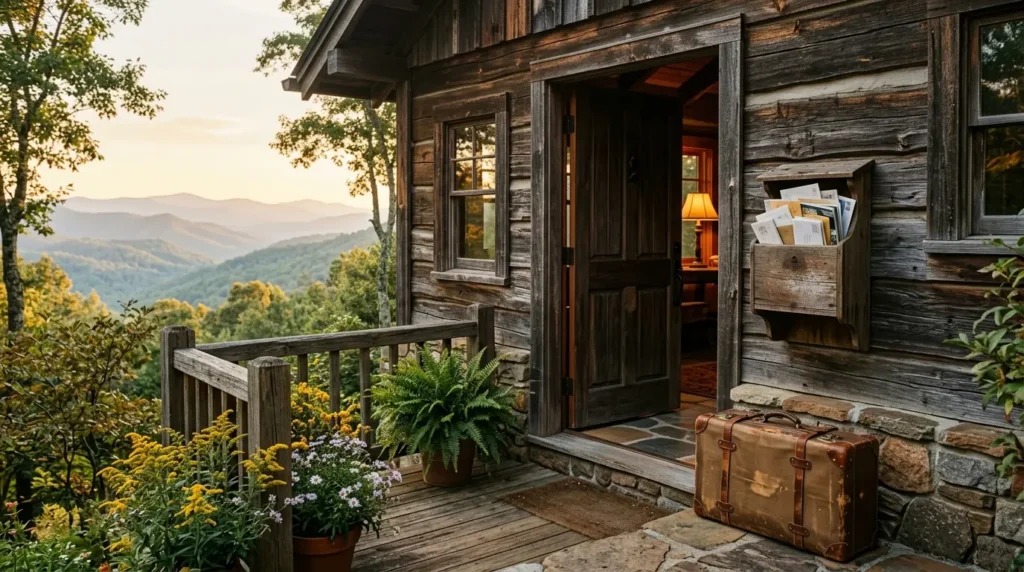
    Maintaining a long-term rental in the North Georgia mountains means working around private water systems, freeze risk, steep terrain, and seasonal debris that a flat-market property never sees. Owners who map the property’s systems early stay ahead of the calls that come with the first cold snap.

    What mountain rentals actually demand

    A rental home in the Dahlonega area operates differently from a property on a flat suburban lot with city water and sewer. The terrain, the climate, and the distance from vendor centers add upkeep that most national property-management guides skip. That gap is where things go wrong.

    The short version: mountain rentals reward owners who know their systems. An owner who cannot describe the water source, the septic setup, the crawl space situation, or the driveway surface is working blind when a resident calls about a problem at 7 p.m. in January. Our guide to rental property management in North Georgia is a useful starting point for building that property file before leasing starts.

    Key question

    Which systems cause the most unexpected repair calls on mountain rentals?

    Well pumps, septic backups, and frozen pipes are the most common sources of emergency calls on rural mountain properties. All three are manageable with a seasonal plan. None are predictable without one.

    ConceptSystem map

    Document the water source, septic location, crawl access, and utility shutoffs before handing over keys.

    ConceptSeasonal rhythm

    Mountain maintenance follows the seasons. Build the checklist around fall, pre-freeze, spring thaw, and summer rather than a generic monthly schedule.

    ConceptLocal vendors

    Keep a short list of local contractors before a call comes in. Mountain areas have longer response windows than suburban markets.

    Private wells and water systems

    A large share of North Georgia mountain properties use well water rather than a municipal supply. That is not a problem, but it does create owner obligations. The pump, pressure tank, and any filtration equipment need periodic attention, typically an annual inspection and water quality test. If the rental sits on a property with iron-heavy or sediment-prone water, filter maintenance is part of the regular operating schedule.

    Owners should know the well depth, the pump age, and when it was last serviced. If that information is not in the property file, a local well contractor can document it before the first lease is signed.

    Septic systems on rural lots

    Public sewer is not standard in rural Lumpkin County. Septic tanks need periodic pumping, and the right interval depends on the tank size and the number of residents. A licensed technician can give you a schedule specific to that system. What the owner controls is the documentation: last pump date, access point location, and a maintenance record.

    Residents unfamiliar with septic systems may not know that certain products cause problems. Flushable wipes, grease, and chemical drain cleaners are the common ones. A brief written note at move-in, specific to what the property uses, prevents most of those calls.

    Maintenance taskMountain rental noteWhat to document
    Well inspectionAnnual; more frequent with older equipment or iron-rich waterLast service date, pump age, water test results
    Septic pumpingInterval depends on tank size and occupant count; confirm with a licensed technicianTank location, last pump date, access map
    Gutter clearingTwo rounds in fall is common under heavy canopy; once is rarely enoughLast clearing date, any drainage problems noted
    Wood or log sidingStaining and sealing every 3 to 5 years; budget $3,000 to $8,000 for a typical mountain homeLast treatment date, product used, contractor
    HVAC serviceAnnual in each system; before the first cold snap for heatingFilter schedule, last full service, propane or fuel-oil level if applicable
    Owner note: A good property file does not need to be long. It needs to answer one question without a phone call: what is this system, who last touched it, and who do we call when something changes? Three fields per system is enough to start.

    Freeze risk and winter preparation

    The North Georgia mountains see extended freezes in January and February. Temperatures that stay below 25 degrees Fahrenheit long enough to threaten exposed pipes and water lines are not rare in Dahlonega and the Blue Ridge corridor. An owner who plans as if the winters are mild is usually the one calling for emergency service in early February.

    Exposed pipes and crawl spaces

    Properties with uninsulated crawl spaces or exposed supply lines on an exterior wall carry real freeze risk. The most common failures are pipes that run through an unheated crawl space or near an exterior wall without insulation. Wrapping those lines before winter and managing the crawl space vents correctly for the cold season are standard preventive steps. The cost of foam insulation on a pipe is a fraction of the cost of water damage from a burst.

    Residents should also know where the main water shutoff is located. That is something to walk through at move-in, not explain over the phone when a pipe fails. The long-term rental management process includes a property-file checklist that covers utility shutoffs and access documentation.

    Driveways, steps, and outdoor surfaces

    Steep gravel driveways become a liability when ice forms on them. Owners with mountain properties should have a plan for the driveway surface before winter. That might mean ensuring the resident has access to sand or ice melt, or knowing that the driveway grade is too steep for safe access during a hard freeze. Both are facts the owner needs in the property file.

    Wood steps and decks require attention too. Ice on untreated wood becomes a safety issue fast. A fall inspection that includes the deck surface, railing condition, and any steps with exposure to morning ice is part of responsible ownership in this climate.

    Watch out: Do not rely on a resident to recognize freeze risk. A tenant from a warmer climate may not know to let faucets drip during an extended cold snap, keep cabinet doors open under sinks on exterior walls, or avoid running the washing machine late at night when temperatures drop hard. A written one-page freeze-risk guide at move-in covers this without repeated calls.

    Leaf season and fall cleanup on mountain lots

    The fall foliage around Dahlonega and the Chestatee River corridor is real. The trees come down in volume in October and November, and gutters fill fast under heavy canopy. One clearing at the end of the season is rarely enough.

    Fall reality check: A property under mature hardwood canopy may need gutters cleared two to three times between October and December. One clearing at the end of the season leaves weeks of debris sitting against the fascia, and that is how rot starts.

    Beyond gutters, leaf accumulation on decks and steps creates slip risk, and drainage paths through the yard can get blocked. In a mountain setting, dead limbs weakened by summer growth can come down in fall storms. A visual walk of the lot in early October, checking the canopy for dead or overhanging branches, is a reasonable annual habit for any mountain property owner.

    If the lot has significant tree coverage close to the structure, an arborist assessment every few years gives the owner a documented opinion on removal candidates. That documentation matters if a limb damages the property and insurance questions arise.

    A seasonal maintenance calendar for North Georgia mountain rentals

    SeasonPriority tasksNotes
    Spring (March to May)Inspect crawl space after winter; check for roof damage; service well and septic if due; clear erosion on drives and pathsSpring thaw can reveal drainage problems not visible in winter
    Summer (June to August)HVAC service before peak heat; inspect deck and exterior wood for moisture damage; clear vegetation from around HVAC units and well headsWood systems exposed to summer humidity can deteriorate quickly under surface vegetation
    Fall (September to November)Gutter clearing, plan two rounds in heavy-canopy areas; tree walk for dead limbs; winterize exterior faucets; inspect deck and step surfaces; confirm heating system is servicedLeaf volume in the Dahlonega area can be significant; schedule early, before the first hard freeze
    Winter (December to February)Monitor freeze forecasts; confirm resident has written freeze-risk guidance; check crawl space venting; verify propane or fuel-oil supply if applicableExtended cold events in Lumpkin County can last several days; prepare before, not during

    Log home and wood siding considerations

    A meaningful share of North Georgia mountain rentals are log homes or have wood siding. Both require periodic re-sealing or re-staining to prevent moisture intrusion and wood degradation. The window is typically every 3 to 5 years, and the cost for a typical mountain home usually runs in the range of $3,000 to $8,000, depending on coverage and product used. Log homes vary significantly in scale, which is why the range is wide.

    Owners who buy a mountain home and skip the siding inspection before their first rental cycle sometimes discover that treatment is overdue mid-tenancy. The way to avoid that is to have a contractor walk the exterior before the first lease starts, get a written opinion on condition and timing, and add that to the property file.

    1. Document all systems at acquisition. Record the water source, septic access and pump date, well age and last service, HVAC type, crawl space configuration, and exterior wood coverage.
    2. Build the freeze-risk brief. Write a one-page guide for residents covering pipe location, cabinet habits during cold snaps, the main water shutoff, and who to call in an emergency.
    3. Set the fall calendar early. Schedule gutter clearing and a lot walk before the leaves start in earnest. Mark a second clearing date for mid-November in heavy-canopy areas.
    4. Confirm vendor relationships before the first winter. Know who handles well service, septic pumping, HVAC, and tree work in the area. Response times in rural mountain markets are longer than in urban ones.
    5. Review and update after each season. What changed, what did the resident report, what did the vendor find? A brief seasonal note keeps the property file current without a large filing project.

    Coordinating vendors in a rural mountain area

    One practical constraint in rural Lumpkin County is vendor travel time. A plumber or HVAC technician based in Gainesville or Dahlonega may have a 30- to 45-minute drive to a rural property. That is the operating reality for a mountain market.

    The practical answer is to have the vendor relationship before you need it. A well contractor who has been to the property already knows the equipment. A septic service that has pumped the tank before knows where the lid is. That familiarity shortens emergency calls and reduces the chance of a vendor arriving with wrong assumptions about the system.

    Owners managing these costs as part of a broader rental-economics review can find a starting point in our breakdown of what property managers charge in Dahlonega, which covers how maintenance coordination fits into a typical management agreement.

    Frequently Asked Questions

    How often does a well on a rental property need to be inspected?

    Annual inspections are a reasonable starting point. The right interval depends on the well age, the pump condition, and local water quality. A licensed well contractor can give you a schedule specific to that system.

    What does a landlord need to know about septic maintenance in North Georgia?

    The tank needs periodic pumping; the interval depends on tank size and occupancy. Keep a record of the last pump date, the access location, and any service findings.

    How do I protect rental property pipes from freezing in Dahlonega?

    Focus on exposed supply lines in crawl spaces and on exterior walls. Insulate those lines before winter, manage the crawl space vents correctly for the cold season, and give residents a written guide covering cabinet habits, dripping faucets during hard freezes, and where the main shutoff is located.

    Do mountain rental properties in North Georgia need special HVAC service?

    Annual service applies to any HVAC system. For a mountain rental, timing matters: a heating system service before the first cold snap is more valuable than one scheduled mid-winter. Properties using propane or heating oil also need a fuel supply check before winter starts.

    How much does it cost to maintain wood siding or a log home in the mountains?

    Re-sealing or re-staining wood surfaces on a typical North Georgia mountain home typically runs in the range of $3,000 to $8,000 every 3 to 5 years, depending on coverage and product. Have a contractor evaluate the current condition before the first lease cycle to establish a baseline.

    How many times do gutters need to be cleared on a mountain rental in fall?

    One clearing at the end of the season is often not enough under heavy hardwood canopy. Planning for two rounds, one in mid-October and one in late November, is more realistic in the Dahlonega area.

    What should go in a property file for a North Georgia mountain rental?

    At minimum: water source and last service date, septic access location and pump record, HVAC type and last service, crawl space configuration, exterior wood condition and last treatment, and the contact list for each vendor.

    How do I find reliable vendors for rural mountain rentals?

    Ask locally before you need them. Contractors already familiar with the area have shorter response times and better knowledge of mountain-specific systems than those coming from distant service centers.

    Are fall tree inspections necessary for mountain rental properties?

    A visual lot walk in early October to check for dead or overhanging limbs is reasonable annual practice. For lots with significant tree coverage near the structure, an arborist assessment every few years provides documented findings for the property file.

    Does gravel driveway erosion count as a landlord maintenance responsibility?

    Generally yes. The condition and safety of the driveway surface is an owner responsibility in a residential tenancy. Mountain properties with steep gravel drives can see significant erosion after heavy rain. A seasonal inspection that includes the drive surface and drainage paths is worth adding to the annual schedule.

    How can I tell if my mountain rental needs a property manager vs. self-managing?

    Consider how quickly you can dispatch a response if the well pump fails or a pipe bursts in January. If you do not have vendor relationships in the area and cannot be on-site quickly, management support reduces the gap.

    Looking for North Georgia real estate?

    If your next step involves buying or selling rather than managing what you already own, View new Dahlonega and Lumpkin County listings at Gold Peach Realty or call (770) 283-1223.