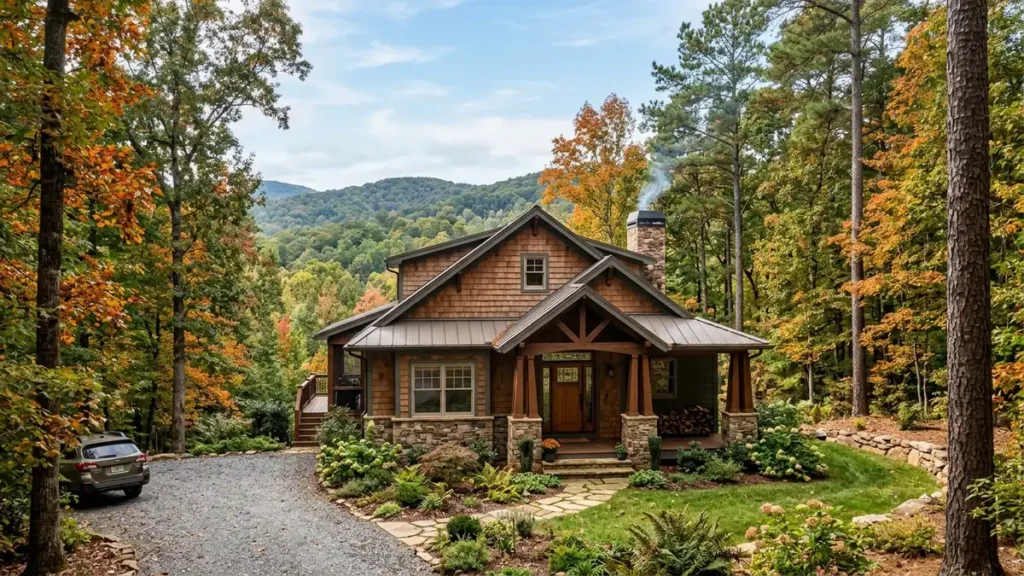
• How Do You Convert Your Georgia Home Into a Rental?

    How Do You Convert Your Georgia Home Into a Rental?

    Quick answer (TL;DR)

    Convert a Georgia home to a rental by checking the mortgage and insurance first, preparing the property for safe occupancy, building an operating budget, choosing written screening standards, and using a Georgia-specific lease. Keep tax, repair, and tenant records from the start. Do not advertise until every owner responsibility has a clear person and process.

    A former home is ready to become a rental only after the loan, insurance, property condition, tax records, lease, screening plan, and maintenance response are settled. Handle those items before a tenant receives the keys.

    Insurance firstTell the carrier how the home will be used before a tenant moves in.
    Safe and readyComplete safety, water, mechanical, access, and habitability work before advertising.
    Records from day oneKeep loan, tax, lease, inspection, repair, and tenant documents in one controlled file.

    Is converting your Georgia home to a rental the right move?

    Start with the decision, not the tenant search. A home that worked well for you may still be a poor rental if the likely rent cannot support routine maintenance, periods without a tenant, insurance, taxes, utilities between leases, and professional help when something breaks. The mortgage payment is only one line in that calculation.

    Write down why you want to keep the property and what would make you sell instead. Owners usually need a clear answer to three questions: how long they expect to hold the home, how much uncertainty they can absorb, and who will manage the work. If the home came to you through an estate, the guide to renting out an inherited house in Georgia covers the title and family-decision issues that come first.

    Make the owner decision on paper

    List the likely rent, recurring bills, deferred repairs, reserve needs, your time, and the conditions that would trigger a sale. A written decision rule is easier to follow than a choice made during the first vacancy or repair call.

    What should you check before changing the property’s use?

    Call the mortgage lender and insurance carrier before you list the home. Ask the lender whether the loan documents contain an occupancy term that still applies. Ask the insurer what policy fits a long-term tenant, what happens during a vacancy, and which losses or owner liabilities are excluded. Get both answers in writing. A casual phone comment is not enough for a file you may need years later.

    Then speak with a tax professional about the date the property changes from personal to rental use. The IRS explains that rental income and expenses are reported differently and points owners who change a property to rental use to Publication 527 and its rental-property guidance. Save the original closing statement, records for later improvements, and the date the home was first available for rent. Those documents are much easier to gather before a move than several tax seasons later.

    Do not assume an owner-occupied policy follows the house into rental use

    Tell the insurer the truth about occupancy and timing. Ask what coverage applies to the building, owner liability, lost rent after a covered event, tenant-caused damage, and a home that sits vacant between occupants. Use the carrier’s written answer, not a guess.

    How do you make a former home lease-ready?

    Walk the property as an operator rather than as the person who lived there. Check water intrusion, drainage, heating and cooling, plumbing, electrical systems, locks, handrails, smoke alarms, steps, decks, windows, appliances included with the lease, and safe access. A house near the Chestatee River may need a different drainage and access review than a home closer to downtown Dahlonega. The actual site conditions decide the work.

    Fix deferred maintenance before cosmetic work. A fresh room does not compensate for a leaking supply line, an unsafe stair, or an unreliable heating system. Keep invoices, warranties, appliance model numbers, filter sizes, shutoff locations, and service contacts. Photograph each room after repairs are complete and again at move-in. The goal is a factual condition record, not marketing photography.

    Plan the operating handoff before you advertise the home. The first maintenance call should follow a process you already chose.
    AreaDecision before advertisingRecord to keep
    LoanConfirm any occupancy or notice requirement with the lenderWritten lender response and relevant loan pages
    InsuranceChoose coverage for the actual rental and vacancy usePolicy, endorsements, exclusions, and carrier correspondence
    PropertyFinish safety, water, mechanical, access, and habitability workInspection notes, invoices, warranties, and dated photos
    TaxesEstablish the conversion date and accounting method with a tax professionalClosing statement, improvement file, and tax guidance
    OperationsAssign rent collection, notices, maintenance, and emergenciesLease, vendor list, owner instructions, and communication log

    How should you set rent and build the operating budget?

    Set asking rent from current comparable long-term rentals, not from the amount you want the house to produce. Compare location, size, condition, parking, utility arrangements, pet policy, and access. Online estimates can start the conversation, but they can miss the differences between a steep mountain driveway, a walkable in-town location, and a home that includes services. The local guide on how much a Dahlonega house may rent for explains the comparison process without treating an estimate as a promise.

    Build a separate owner budget that includes maintenance, planned replacements, vacancy, turnover work, insurance, taxes, utilities between tenants, accounting, legal review, and management if you will use it. Keep a reserve outside the rent account. The amount depends on the property’s systems and condition, so choose it from a real inspection and replacement plan rather than a generic rule.

    Quick owner check

    If the plan works only when every month is occupied and nothing needs repair, it is not an operating plan. Rework the rent assumption, repair scope, reserve, or hold decision before listing. The useful number is the amount left after normal ownership costs, not the rent collected at the top of the statement.

    What lease, screening, and compliance work comes next?

    Write screening criteria before accepting the first application. Decide which documents you will request, which screening service you will use, how you will handle incomplete applications, and how you will protect personal information. Apply the same written standards to every applicant. HUD’s rental applicant screening guidance explains how fair housing rules apply to screening practices.

    Use a Georgia-specific written lease and have a Georgia attorney review it for the property. The lease should say who pays each utility, how rent is delivered, who handles yard and pest work, how maintenance requests are reported, when entry can occur, what pets are allowed, what notices are required, and what happens at move-out. The Georgia Department of Community Affairs hosts a landlord-tenant handbook for general education, but the agency also warns that the handbook is not a substitute for legal advice.

    Before you hand over keys, complete the first-time landlord checklist for Georgia. It covers the practical file, property, screening, and move-in items that new owners commonly miss. Keep the signed lease, condition record, required notices, and tenant communications together.

    What is the practical conversion sequence?

    1. Write the hold decisionRecord why you are keeping the property, the likely holding period, the operating assumptions, and the conditions that would cause a sale.
    2. Check the loan and insuranceGet written answers on occupancy, rental use, vacancy, liability, and the policy that will apply when a tenant moves in.
    3. Set the tax and record filePreserve the closing statement, improvement history, conversion date, and accounting instructions from the tax professional.
    4. Make the property lease-readyFinish safety, water, mechanical, access, and habitability work. Photograph the completed condition and organize warranties.
    5. Build the rent and reserve planUse current local comparisons, a property-specific maintenance plan, and realistic ownership costs.
    6. Choose screening and lease proceduresWrite consistent criteria, use a secure process, and obtain a Georgia-specific lease reviewed for the property.
    7. Assign operationsDecide who collects rent, answers repair requests, approves work, sends notices, inspects the property, and responds when you are unavailable.

    Frequently Asked Questions

    Do I need to tell my mortgage lender before renting out my former home?

    Review the loan documents and contact the lender before advertising. Occupancy terms vary by loan and by the promises made at closing. Do not assume that moving out automatically changes or satisfies those terms. Ask for the lender's answer in writing and keep it with the property file.

    Will my homeowners insurance cover a tenant?

    Do not rely on an owner-occupied homeowners policy once a tenant takes possession. Tell the insurer how the property will be used and request the coverage they recommend for a long-term rental. Ask about liability, loss-of-rent coverage, deductibles, and any vacancy conditions before the move-out date.

    How should I handle taxes after converting a home to rental use?

    Rental income and expenses have their own federal tax treatment, and converting a former home can affect basis, depreciation, and a later sale. Keep the closing statement, improvement records, and the date the property became available for rent. A tax professional can apply the current rules to your facts.

    Should I form an LLC before renting the house?

    An LLC can help with administration in some situations, but it is not a substitute for insurance and it may affect the loan, title, or tax reporting. Ask a Georgia attorney, the lender, the insurer, and a tax professional before transferring title or signing a lease through a new entity.

    What should I repair before listing a former primary residence?

    Start with safety, water intrusion, heating and cooling, plumbing, electrical systems, locks, handrails, smoke alarms, drainage, and any deferred maintenance. Then address cosmetic work that affects clean presentation. Document completed repairs, warranties, model numbers, and service contacts in the property file.

    How do I decide what rent to ask in Dahlonega?

    Use current comparable long-term rentals with similar location, size, condition, parking, and utility arrangements. Do not set rent from the mortgage payment or an online estimate alone. Compare the likely rent with maintenance, vacancy, management, insurance, taxes, and reserves before deciding to proceed.

    Can I screen tenants myself in Georgia?

    Yes, but the written criteria and process need to be consistent. Decide what documents and screening factors you will use before the first application. Use the same standards for every applicant, protect personal information, follow fair housing requirements, and provide any notices required by the screening service.

    Do I need a written lease for a Georgia rental home?

    A written lease gives both sides a clear record of rent, due dates, utilities, maintenance duties, entry procedures, pets, notices, and move-out expectations. Use a Georgia-specific lease reviewed for the property and current law. Avoid copying a generic form without understanding each clause.

    What records should I keep once the home becomes a rental?

    Keep the lease, applications, screening records, move-in photos, inspection notes, notices, repair invoices, insurance documents, tax records, rent ledger, and communications. Store sensitive applicant and tenant data securely. A clean file makes maintenance, accounting, and later decisions much easier.

    When should I hire a property manager?

    Consider management when you live far away, cannot answer maintenance issues reliably, do not want to handle screening and documentation, or need a local point of contact. Compare the complete service scope with the fee and read every contract term. Decide who approves repairs and how owner funds will be handled.

    Still deciding whether to rent or sell?

    A clear sale option can make the rental decision easier. Gold Peach Realty can help you understand the current Dahlonega and Lumpkin County real estate market before you commit to a long-term hold.

    Explore Dahlonega and Lumpkin County homes with Gold Peach Realty

    or call (770) 283-1223

  • What Do Property Managers Charge in Dahlonega?

    What Do Property Managers Charge in Dahlonega?

    Quick answer (TL;DR)

    Property managers in Dahlonega typically charge a percentage of collected monthly rent for ongoing management, alongside a placement fee when filling vacancies. Overall costs depend on property type, service scope, and bundled options. Owners should request a complete fee schedule from property managers before signing a contract to confirm all current rates and add-on services.
    Property managers in Dahlonega charge an ongoing management fee based on collected rent along with one-time placement fees for new tenants.

    Monthly Management Fee
    Placement Leasing Fee
    Varied Add-On Costs
    Full Service Scope
    A set of house keys, a pen, and a calculator resting on top of a residential lease agreement on a rustic wooden tabletop
    A set of house keys, a pen, and a calculator resting on top of a residential lease agreement on a rustic wooden tabletop

    How Property Management Fees Are Structured

    Pricing for Dahlonega property management varies from one company to the next. One might quote a flat percentage, while another breaks out several line items. They are not directly comparable until you understand what each fee type actually covers.

    Most management companies use a combination of charges rather than one all-in figure. The monthly management fee handles day-to-day oversight, while a leasing fee covers finding and placing a tenant. To learn more about evaluating potential partners, read our guide on How to Find a Reliable Property Manager in Dahlonega GA .

    Caution on Low Headline Rates

    A low headline rate with several add-ons often costs more over a year than a slightly higher all-in rate. Always request a full written fee schedule before signing.

    Key Charges: Monthly Oversight and Placement Fees

    The monthly management fee is the core ongoing charge. It covers rent collection, tenant communication, maintenance request handling, and vendor coordination across Lumpkin County. Most managers charge on collected rent rather than scheduled rent, meaning no fee applies if a tenant does not pay that month.

    North Georgia mountain properties sometimes carry higher operational requirements, as homes with wells, septic systems, and rural access require active coordination. A leasing fee covers listing the unit, showings, screening applicants, and executing the lease. Before setting rates, review how much you can realistically charge for rent in Dahlonega to understand overall revenue potential.

    Quick answer: What determines management costs?

    Pricing depends on whether fees are structured as a percentage or flat rate, the scope of full-service oversight, and extra costs for renewals or maintenance.

    Beyond monthly management and placement, several periodic charges may apply depending on your agreement:

    Fee Type Typical Cost Structure When It Applies
    Lease renewal fee Flat amount or small percentage Each time an existing tenant signs a new lease term
    Maintenance coordination markup Percentage above vendor invoice When the manager handles repair coordination through contractors
    Move-in / move-out inspection fee Flat fee per inspection At each tenancy start and end
    Eviction coordination fee Flat rate or hourly rate If an eviction proceeding becomes necessary
    Vacancy / onboarding fee Flat amount or administrative rate When onboarding a new property or during extended vacancies

    What a Full-Service Contract Includes

    Understanding full-service contract inclusions is critical to evaluating true property management costs in Dahlonega.

    Many firms offer tiered options: leasing-only, management-only, or full-service packages. Standard full-service coverage includes property marketing, tenant screening, lease execution, rent collection, maintenance intake, move-in inspections, and tax documentation. Review what a full-service property management company in Dahlonega includes before assuming the scope matches your operational needs.

    If you are still deciding on the right partner, consult our walkthrough on How to Choose a Property Management Company in Dahlonega, Georgia .

    Scope Exclusions

    Items like eviction management, major renovation oversight, and HOA compliance monitoring frequently fall outside basic contracts and carry add-on fees.

    Is Hiring a Property Manager Worth the Cost?

    Deciding whether management is worth the fee depends on your proximity to the property and available time. Self-managing requires handling screening, repairs, and legal compliance yourself. For a complete look at these tradeoffs, read our comparison of self-managing versus hiring a property manager in Dahlonega , as well as our detailed guide on Property Management vs. Self-Managing Your Dahlonega Rental: Which Is Right for You? .

    Frequently Asked Questions

    What percentage do property managers charge in Dahlonega?

    Property managers in Dahlonega and Lumpkin County typically charge a percentage of collected monthly rent for ongoing management. This range varies by property type, service scope, and company structure. Confirm the exact figure directly with each manager.

    What is a leasing fee and when is it charged?

    A leasing fee is a one-time charge for filling a vacancy. It covers marketing the property, scheduling showings, screening applicants, and executing the lease. It applies when a new tenant is placed. In Georgia, this fee commonly represents a portion or equivalent of one month’s rent, though exact amounts vary by firm.

    Is the monthly management fee charged when the property is vacant?

    It depends on the contract. Many managers charge on collected rent only, so no fee applies during a vacancy. Others charge a reduced vacancy fee to cover administrative time, while a few charge the full monthly fee regardless. Clarify this policy before signing.

    What does the maintenance coordination markup cover?

    When a manager coordinates repairs, some charge a percentage markup above the vendor’s invoice. This covers the manager’s oversight time and administrative coordination rather than just making a single phone call.

    Are property management fees tax-deductible in Georgia?

    Property management fees paid on a rental property are generally deductible as an ordinary business expense under IRS Schedule E. Consult a qualified tax professional familiar with Georgia rules for guidance.

    What is a lease renewal fee?

    A lease renewal fee is charged when an existing tenant signs a new lease term rather than moving out. Some managers charge a flat amount, while others charge a small percentage of monthly rent or include renewals in their base package.

    How does a percentage fee compare to a flat monthly fee?

    A percentage fee scales with rent, giving managers a financial incentive to align with market rent. A flat monthly fee offers predictable budgeting and can be cost-effective on higher-rent properties. Request a side-by-side comparison from your prospective manager.

    Can I negotiate property management fees?

    Fees are often negotiable, particularly for owners with multiple units, well-maintained properties, or strong rental histories. Managers frequently show the most flexibility on leasing fees and add-on charges.

    Do property managers in Dahlonega charge a setup or onboarding fee?

    Some do. An onboarding fee covers administrative setup, initial unit documentation, lease entry, and owner portal setup. Confirm whether this fee applies upfront.

    What does a property manager charge to coordinate an eviction?

    Eviction coordination fees vary widely, with managers charging either flat rates or hourly fees for administrative oversight. Legal representation is handled separately by an attorney. Confirm if eviction support is included or billed separately.

    How do Dahlonega management fees compare to rates in Atlanta or other Georgia markets?

    Mountain-market management in Dahlonega tends to reflect rural property complexities, such as wells, septic systems, and local contractor availability. Treat comparisons as directional context and confirm local quotes.

    Can I get a volume discount for multiple rental properties?

    Many property management companies offer lower management percentages for owners with two or more properties. Mention plans to expand your portfolio early in discussions.

    What should I look for in a property management contract beyond the fees?

    Examine cancellation terms, insurance, state licensing, average days-to-lease, and portfolio vacancy rates. A lower fee can end up costing more if vacancies take longer to fill.

    Ready to Sell or Value Your Dahlonega Rental?

    Get a current market valuation and clear financial insight for your mountain property.

    Search North Georgia homes with Gold Peach Realty

    or call (770) 283-1223