• Should You Sell or Rent Out Your Dahlonega House?

    Should You Sell or Rent Out Your Dahlonega House?

    Quick answer (TL;DR)

    Most owners who choose wrong on this decision skipped the honest math. The question is not which option sounds better. It is whether renting this specific property leaves a real monthly margin after management fees, maintenance, vacancy, and taxes. When that margin exists, renting can work. When it does not, selling is not giving up. It is the right call.

    Selling your Dahlonega home gets you the equity today. Renting creates income over time, but only if the numbers hold after all the real costs. Most owners who regret renting did not run the full math before they committed.

    Quick answer

    The question is not which option sounds better. It is whether your specific property pencils as a rental given your mortgage balance, your timeline, and your realistic tolerance for being a landlord. An in-town Dahlonega home and a mountain property with a well and septic system can land in very different places even at similar prices.

    The question behind “sell or rent”

    Many Dahlonega owners frame this as a market-timing call. Will prices rise? Will they flatten? That is usually the wrong frame.

    The more useful question: does renting this specific property leave you financially ahead of selling and putting the proceeds somewhere else? That is a numbers problem with real inputs. Your remaining mortgage balance, a realistic rent estimate for your home, what it costs to operate a rental in Lumpkin County, and what you would actually do with the sale proceeds.

    If you have not worked through those numbers with actual figures, you are deciding on instinct. Getting an honest read on how much your Dahlonega house will rent for is the first step. You cannot run a comparison without a working estimate tied to your actual home, not a county average.

    Running the numbers on renting your Dahlonega home

    The rent figure on a listing is not the number that drives your decision. What matters is what you net after all the costs of running the property as a rental.

    Cost item Notes for Dahlonega and Lumpkin County
    Gross monthly rent From a property-specific rental market analysis, not a county-wide average
    Property management fee Full-service long-term management: commonly in the 8 to 12 percent range of collected rent (confirm with local managers)
    Maintenance reserve Mountain and older homes run higher; budget conservatively rather than optimistically
    Vacancy allowance Lumpkin County has a narrower tenant pool than metro Atlanta; a zero-vacancy assumption is not realistic
    Insurance adjustment Landlord policy differs from a homeowner policy; get an actual quote before you decide
    Property taxes Unchanged whether you rent or sell; counts against rental income in any projection
    Net monthly income What remains after all of the above; this is the number that actually matters
    Management fee range

    Full-service property management fees in the long-term rental sector typically fall in the 8 to 12 percent range of monthly collected rent. Your actual cost depends on the scope of services and the manager’s contract terms. Confirm before you run projections; do not estimate this figure.

    The financial test

    If your projected monthly rent, after management fees, a maintenance reserve, a vacancy allowance, insurance, and property taxes, leaves a real margin over your carrying costs, renting can make financial sense. If the margin is thin or negative, selling is not a failure. It is the mathematically correct call for that property.

    Understanding what property managers in Dahlonega actually charge in detail matters here. The difference between an 8 percent and a 12 percent monthly fee has a real effect on your net return over a full year, and that number is worth confirming with local managers before you finalize any projection.

    What selling actually gives you

    Selling provides things renting does not: immediate liquidity, an exit from ongoing maintenance responsibility, and certainty about the outcome. When you sell, you know what you walked away with. When you rent, your return depends on what happens over the next year or two. Tenant quality, maintenance surprises, vacancy timing, and the management relationship all affect the actual result.

    What selling does not give you is continued exposure to Lumpkin County market appreciation, or the income potential of a well-managed long-term rental. Those are real advantages for the right owner in the right situation. They only matter if the rental math supports the path and you are prepared for what comes with it.

    Selling is not giving up on the property. It is choosing the option that works better for your situation, with the information you actually have.

    Whether you are ready to be a landlord

    The financial case for renting can look solid on paper and still be wrong for you. Managing a rental in Lumpkin County means screening tenants, enforcing a lease under Georgia landlord-tenant law, handling maintenance calls, dealing with non-payment if it happens, and knowing the Georgia eviction process if a tenancy goes badly. A full-service property manager handles most of that work, but the cost affects your margin.

    Distance matters more than people expect. If you do not live near Dahlonega, self-management is genuinely difficult. Even with a manager handling day-to-day operations, you remain the owner responsible for capital items, major repairs, and decisions the lease does not cover. Passive income from rental property is less passive than the phrase implies.

    A word on the emotional side

    If you are leaning toward renting because selling feels like giving up, or because you are not sure the market timing is right, those are emotional reasons, not financial ones. Run the numbers first. If the math says rent, rent. If it does not, deciding from reluctance rather than analysis tends to lead to regret two or three years in when the operational reality sets in.

    How property type changes the math

    The sell-or-rent calculation does not run the same way for every Dahlonega property. In-town homes, mountain properties, and UNG-adjacent rentals each have different dynamics in the local market.

    In-Town Dahlonega Broader tenant pool, proximity to the square and services is a real draw for renters, more comparable lease data available, lower maintenance complexity than mountain properties.
    Mountain or Rural Property Attracts tenants who want privacy and outdoor access, but the qualified-applicant pool is narrower. Higher maintenance expectations: wells, septic systems, driveways, and seasonal access all require upfront disclosure.
    UNG-Adjacent Property Consistent demand from the University of North Georgia community of students, faculty, and staff. Tenant turnover follows the academic calendar. Lease-term strategy matters more than in the general long-term rental market.

    Each type also carries a different vacancy risk profile. An in-town home that goes vacant in October will usually find a tenant in a reasonable window. A mountain property going vacant in November may sit longer. Build that reality into your projections before you commit to renting.

    Lumpkin County property taxes and the net return

    One factor many owners overlook: how Lumpkin County property taxes work for rental owners can change your bottom line in ways that do not show up in a quick rent estimate. Georgia property taxes are based on assessed value and the county millage rate. If your assessment rises over time, your tax bill follows. That is an ongoing cost that compounds across a multi-year rental holding period.

    Converting your Dahlonega home into a rental also involves insurance changes, potential tax classification shifts, and lease compliance requirements under Georgia law. Getting those details right before a tenant moves in costs far less than correcting them afterward.

    A practical decision framework

    1. Get a realistic rent estimate. Get a working range for what your home will rent for in today’s Lumpkin County market, based on your specific property, not a county-wide average.
    2. Subtract all operating costs. Management fees, a realistic maintenance reserve, a vacancy allowance, updated insurance, and property taxes. Use conservative numbers rather than best-case assumptions.
    3. Compare the net to your carrying costs. If you have a mortgage, compare net rental income to the monthly payment. Cash-positive means renting may work. Cash-negative means quantify the shortfall and decide consciously, not by default.
    4. Consider the equity alternative. If you sold, what would you do with the proceeds? What return would that realistically generate? Compare that honestly against the projected rental net.
    5. Assess your landlord readiness. Can you manage this yourself, or will you need a property manager? Do the numbers still work with management fees included?
    6. Decide on the math, not the emotion. Both outcomes can be the right one. The mistake is choosing based on instinct or reluctance rather than running the actual numbers through all the way.

    Frequently Asked Questions

    Should I sell or rent my Dahlonega home if I am relocating out of state?

    Distance changes the landlord equation significantly. Remote self-management of a Dahlonega rental is genuinely difficult. If you rent, you will almost certainly need a full-service property manager, so that cost needs to be in your net return calculation before you decide. If the numbers still work after management fees, renting is viable. If they do not, selling before you relocate is usually the cleaner outcome.

    What is the minimum rent I need to cover my costs on a Dahlonega property?

    Add your monthly mortgage payment, property taxes as a monthly equivalent, insurance at the landlord policy rate, a management fee in the 8 to 12 percent range, and a realistic maintenance reserve. That total is your break-even. If your realistic rent estimate lands above that number, you are cash-positive. If it does not, you are subsidizing the property every month you hold it as a rental.

    Is it better to sell or rent in a small market like Lumpkin County?

    There is no universal answer. Lumpkin County has a narrower tenant pool and less rental price data than metro Atlanta. Vacancy risk is real, and pricing errors are harder to correct in smaller markets. Both paths can work. Neither works well without running the actual numbers for your specific property and situation.

    Does having a lot of equity in my Dahlonega home change whether I should sell?

    High equity means selling puts a large sum in your hands immediately. Whether renting makes more sense depends on what you would do with that capital. If the invested proceeds would generate a competitive return, selling can be the better financial move even if the property would cash-flow as a rental. Run both scenarios with real numbers before deciding.

    How do I know if there is enough rental demand in Dahlonega for my home?

    The best signal is what comparable homes in your area are actually renting for and how long they take to lease. A local property manager will have a realistic read on current demand and vacancy. County-level data is thin, which is another reason a property-specific rental analysis matters more than any aggregate figure you will find online.

    Can I rent out my Dahlonega home if I still have a mortgage on it?

    Most conventional mortgages permit renting the property, though you may need to notify your lender and update your homeowner’s insurance to a landlord policy. Check your loan documents and talk to your insurance agent before your first tenant moves in. Some loan types have owner-occupancy requirements that may apply depending on how long you have held the property.

    What are the tax implications of renting versus selling my Dahlonega house?

    Selling a primary residence may qualify for the capital gains exclusion under IRS rules, subject to the ownership and use tests. Rental income is taxable, though rental property allows depreciation deductions that offset some income. Once you convert to a rental, the primary-residence exclusion rules change for any future sale of that property. Talk to a tax professional before making the decision. The tax picture is genuinely different depending on your specific situation.

    What happens if I commit to renting and then cannot find a tenant?

    You carry the full cost of the property without any rental income. In Dahlonega’s smaller market, vacancy risk is real, particularly for properties priced above comparable rentals or listed during the slower winter window. A realistic vacancy allowance in your projections, not zero, is how you account for this risk before you commit to the rental path.

    Does the type of property affect whether I should sell or rent?

    Yes. An in-town Dahlonega home near the square or the UNG campus has a broader tenant pool and leases more predictably than a rural mountain property. Mountain homes can rent well, but the qualified-applicant pool is smaller, maintenance expectations are higher, and seasonal access adds complexity that affects both tenant experience and vacancy timing.

    Should I rent instead of selling if I might want to return to Dahlonega someday?

    The intention to return is a personal reason that may justify renting even when the financial case is thin. But it is worth being honest about the probability. If “someday” is genuinely uncertain, you may spend years subsidizing a property you never return to. If you are serious about coming back within a defined timeframe, renting preserves that option. Have that conversation with yourself honestly before making it the deciding factor.

    How do management fees in Dahlonega affect the sell-or-rent math?

    Management fees come off the top of your rental income before you see a dollar. If your manager charges 10 percent monthly, that percentage comes out of every month’s collected rent before any other expense. Run your projections using the actual fee range from local managers rather than an estimate. This is one of the inputs that changes the math most dramatically between different providers.

    What is the biggest mistake Dahlonega homeowners make when deciding to rent?

    Using gross rent as if it were net return. Gross rent minus management fees, maintenance, vacancy, insurance, and taxes is the number that matters. Owners who skip the subtraction often find out how little remains, or how much they are subsidizing the property, only after a tenant is already in the home and the costs are locked in.

    Should I hire a property manager or try to self-manage if I rent out my Dahlonega home?

    For owners who do not live near Dahlonega, full-service management is almost always the practical choice. The legal and operational complexity of managing a rental from a distance is real. For owners who live nearby and have the time, self-management saves the monthly fee but adds real responsibilities. Either path can work well. Make sure your financial projections reflect whichever model you choose, before you commit.

    If your sell-or-rent math points toward selling, Gold Peach Realty knows the Lumpkin County market. Connect with a local agent who understands Dahlonega neighborhoods, current buyer demand, and what your property is worth today.

    Find your next Dahlonega, Lumpkin County, North Georgia home with Gold Peach Realty

    Or call (770) 283-1223 to speak with a local agent directly.

  • How Do You Convert Your Georgia Home Into a Rental?

    How Do You Convert Your Georgia Home Into a Rental?

    Quick answer (TL;DR)

    Convert a Georgia home to a rental by checking the mortgage and insurance first, preparing the property for safe occupancy, building an operating budget, choosing written screening standards, and using a Georgia-specific lease. Keep tax, repair, and tenant records from the start. Do not advertise until every owner responsibility has a clear person and process.

    A former home is ready to become a rental only after the loan, insurance, property condition, tax records, lease, screening plan, and maintenance response are settled. Handle those items before a tenant receives the keys.

    Insurance firstTell the carrier how the home will be used before a tenant moves in.
    Safe and readyComplete safety, water, mechanical, access, and habitability work before advertising.
    Records from day oneKeep loan, tax, lease, inspection, repair, and tenant documents in one controlled file.

    Is converting your Georgia home to a rental the right move?

    Start with the decision, not the tenant search. A home that worked well for you may still be a poor rental if the likely rent cannot support routine maintenance, periods without a tenant, insurance, taxes, utilities between leases, and professional help when something breaks. The mortgage payment is only one line in that calculation.

    Write down why you want to keep the property and what would make you sell instead. Owners usually need a clear answer to three questions: how long they expect to hold the home, how much uncertainty they can absorb, and who will manage the work. If the home came to you through an estate, the guide to renting out an inherited house in Georgia covers the title and family-decision issues that come first.

    Make the owner decision on paper

    List the likely rent, recurring bills, deferred repairs, reserve needs, your time, and the conditions that would trigger a sale. A written decision rule is easier to follow than a choice made during the first vacancy or repair call.

    What should you check before changing the property’s use?

    Call the mortgage lender and insurance carrier before you list the home. Ask the lender whether the loan documents contain an occupancy term that still applies. Ask the insurer what policy fits a long-term tenant, what happens during a vacancy, and which losses or owner liabilities are excluded. Get both answers in writing. A casual phone comment is not enough for a file you may need years later.

    Then speak with a tax professional about the date the property changes from personal to rental use. The IRS explains that rental income and expenses are reported differently and points owners who change a property to rental use to Publication 527 and its rental-property guidance. Save the original closing statement, records for later improvements, and the date the home was first available for rent. Those documents are much easier to gather before a move than several tax seasons later.

    Do not assume an owner-occupied policy follows the house into rental use

    Tell the insurer the truth about occupancy and timing. Ask what coverage applies to the building, owner liability, lost rent after a covered event, tenant-caused damage, and a home that sits vacant between occupants. Use the carrier’s written answer, not a guess.

    How do you make a former home lease-ready?

    Walk the property as an operator rather than as the person who lived there. Check water intrusion, drainage, heating and cooling, plumbing, electrical systems, locks, handrails, smoke alarms, steps, decks, windows, appliances included with the lease, and safe access. A house near the Chestatee River may need a different drainage and access review than a home closer to downtown Dahlonega. The actual site conditions decide the work.

    Fix deferred maintenance before cosmetic work. A fresh room does not compensate for a leaking supply line, an unsafe stair, or an unreliable heating system. Keep invoices, warranties, appliance model numbers, filter sizes, shutoff locations, and service contacts. Photograph each room after repairs are complete and again at move-in. The goal is a factual condition record, not marketing photography.

    Plan the operating handoff before you advertise the home. The first maintenance call should follow a process you already chose.
    AreaDecision before advertisingRecord to keep
    LoanConfirm any occupancy or notice requirement with the lenderWritten lender response and relevant loan pages
    InsuranceChoose coverage for the actual rental and vacancy usePolicy, endorsements, exclusions, and carrier correspondence
    PropertyFinish safety, water, mechanical, access, and habitability workInspection notes, invoices, warranties, and dated photos
    TaxesEstablish the conversion date and accounting method with a tax professionalClosing statement, improvement file, and tax guidance
    OperationsAssign rent collection, notices, maintenance, and emergenciesLease, vendor list, owner instructions, and communication log

    How should you set rent and build the operating budget?

    Set asking rent from current comparable long-term rentals, not from the amount you want the house to produce. Compare location, size, condition, parking, utility arrangements, pet policy, and access. Online estimates can start the conversation, but they can miss the differences between a steep mountain driveway, a walkable in-town location, and a home that includes services. The local guide on how much a Dahlonega house may rent for explains the comparison process without treating an estimate as a promise.

    Build a separate owner budget that includes maintenance, planned replacements, vacancy, turnover work, insurance, taxes, utilities between tenants, accounting, legal review, and management if you will use it. Keep a reserve outside the rent account. The amount depends on the property’s systems and condition, so choose it from a real inspection and replacement plan rather than a generic rule.

    Quick owner check

    If the plan works only when every month is occupied and nothing needs repair, it is not an operating plan. Rework the rent assumption, repair scope, reserve, or hold decision before listing. The useful number is the amount left after normal ownership costs, not the rent collected at the top of the statement.

    What lease, screening, and compliance work comes next?

    Write screening criteria before accepting the first application. Decide which documents you will request, which screening service you will use, how you will handle incomplete applications, and how you will protect personal information. Apply the same written standards to every applicant. HUD’s rental applicant screening guidance explains how fair housing rules apply to screening practices.

    Use a Georgia-specific written lease and have a Georgia attorney review it for the property. The lease should say who pays each utility, how rent is delivered, who handles yard and pest work, how maintenance requests are reported, when entry can occur, what pets are allowed, what notices are required, and what happens at move-out. The Georgia Department of Community Affairs hosts a landlord-tenant handbook for general education, but the agency also warns that the handbook is not a substitute for legal advice.

    Before you hand over keys, complete the first-time landlord checklist for Georgia. It covers the practical file, property, screening, and move-in items that new owners commonly miss. Keep the signed lease, condition record, required notices, and tenant communications together.

    What is the practical conversion sequence?

    1. Write the hold decisionRecord why you are keeping the property, the likely holding period, the operating assumptions, and the conditions that would cause a sale.
    2. Check the loan and insuranceGet written answers on occupancy, rental use, vacancy, liability, and the policy that will apply when a tenant moves in.
    3. Set the tax and record filePreserve the closing statement, improvement history, conversion date, and accounting instructions from the tax professional.
    4. Make the property lease-readyFinish safety, water, mechanical, access, and habitability work. Photograph the completed condition and organize warranties.
    5. Build the rent and reserve planUse current local comparisons, a property-specific maintenance plan, and realistic ownership costs.
    6. Choose screening and lease proceduresWrite consistent criteria, use a secure process, and obtain a Georgia-specific lease reviewed for the property.
    7. Assign operationsDecide who collects rent, answers repair requests, approves work, sends notices, inspects the property, and responds when you are unavailable.

    Frequently Asked Questions

    Do I need to tell my mortgage lender before renting out my former home?

    Review the loan documents and contact the lender before advertising. Occupancy terms vary by loan and by the promises made at closing. Do not assume that moving out automatically changes or satisfies those terms. Ask for the lender's answer in writing and keep it with the property file.

    Will my homeowners insurance cover a tenant?

    Do not rely on an owner-occupied homeowners policy once a tenant takes possession. Tell the insurer how the property will be used and request the coverage they recommend for a long-term rental. Ask about liability, loss-of-rent coverage, deductibles, and any vacancy conditions before the move-out date.

    How should I handle taxes after converting a home to rental use?

    Rental income and expenses have their own federal tax treatment, and converting a former home can affect basis, depreciation, and a later sale. Keep the closing statement, improvement records, and the date the property became available for rent. A tax professional can apply the current rules to your facts.

    Should I form an LLC before renting the house?

    An LLC can help with administration in some situations, but it is not a substitute for insurance and it may affect the loan, title, or tax reporting. Ask a Georgia attorney, the lender, the insurer, and a tax professional before transferring title or signing a lease through a new entity.

    What should I repair before listing a former primary residence?

    Start with safety, water intrusion, heating and cooling, plumbing, electrical systems, locks, handrails, smoke alarms, drainage, and any deferred maintenance. Then address cosmetic work that affects clean presentation. Document completed repairs, warranties, model numbers, and service contacts in the property file.

    How do I decide what rent to ask in Dahlonega?

    Use current comparable long-term rentals with similar location, size, condition, parking, and utility arrangements. Do not set rent from the mortgage payment or an online estimate alone. Compare the likely rent with maintenance, vacancy, management, insurance, taxes, and reserves before deciding to proceed.

    Can I screen tenants myself in Georgia?

    Yes, but the written criteria and process need to be consistent. Decide what documents and screening factors you will use before the first application. Use the same standards for every applicant, protect personal information, follow fair housing requirements, and provide any notices required by the screening service.

    Do I need a written lease for a Georgia rental home?

    A written lease gives both sides a clear record of rent, due dates, utilities, maintenance duties, entry procedures, pets, notices, and move-out expectations. Use a Georgia-specific lease reviewed for the property and current law. Avoid copying a generic form without understanding each clause.

    What records should I keep once the home becomes a rental?

    Keep the lease, applications, screening records, move-in photos, inspection notes, notices, repair invoices, insurance documents, tax records, rent ledger, and communications. Store sensitive applicant and tenant data securely. A clean file makes maintenance, accounting, and later decisions much easier.

    When should I hire a property manager?

    Consider management when you live far away, cannot answer maintenance issues reliably, do not want to handle screening and documentation, or need a local point of contact. Compare the complete service scope with the fee and read every contract term. Decide who approves repairs and how owner funds will be handled.

    Still deciding whether to rent or sell?

    A clear sale option can make the rental decision easier. Gold Peach Realty can help you understand the current Dahlonega and Lumpkin County real estate market before you commit to a long-term hold.

    Explore Dahlonega and Lumpkin County homes with Gold Peach Realty

    or call (770) 283-1223

  • What Does a First-Time Landlord in Georgia Need to Know?

    What Does a First-Time Landlord in Georgia Need to Know?

    Quick answer (TL;DR)

    Before your first tenant moves in, you need clear title in your name, a habitable property, a written lease, and the security deposit in a separate escrow account. Georgia law gives you 30 days after move-out to return the deposit. Evictions require a court dispossessory proceeding. Get those four things right before handing over keys and you will avoid most of what trips up first-time landlords in Lumpkin County.

    Renting a property in Georgia for the first time is a legal undertaking. Before signing anything in Lumpkin County or anywhere in North Georgia, four things need to be in place: clear title, a habitable unit, a written lease, and a proper deposit account.

    30 daysGeorgia’s deadline to return a security deposit after move-out (O.C.G.A. §44-7-33)
    No capGeorgia sets no maximum on security deposit amounts
    Escrow requiredDeposits must be held in a separate bank account or covered by a surety bond
    Court onlyEvictions require a dispossessory proceeding in Magistrate Court

    What you need before the lease is signed

    Start with title. If you inherited the property or are still in probate, get that resolved first. A lease signed while title is unclear can be unenforceable, and if something goes wrong during the tenancy, you want no ambiguity about who owns the property. File the deed, confirm it with the county, and keep a copy.

    Then confirm the unit is habitable. Georgia law requires landlords to provide a property that is safe and functional at move-in and to maintain it that way throughout the tenancy. That means working plumbing and heat, a watertight structure, and functional smoke detectors. Have a licensed inspector walk the property before you list it. If there are problems, fix them before you have a tenant who can withhold rent over them.

    Lead paint disclosure is required on pre-1978 properties

    Federal law requires landlords to disclose any known lead-based paint hazards and provide the EPA informational pamphlet before a lease is signed on any home built before 1978. This applies to a large share of older mountain-area homes in Lumpkin County. It is not optional and cannot be handled after move-in.

    Use a written lease. A verbal agreement is enforceable in Georgia for month-to-month tenancies, but it gives you almost nothing to stand on if the tenant disputes rent, damages, or move-out terms. At minimum, the lease should cover rent amount, due date, late fees, how and when you can enter the property, and what the move-out process looks like. Have an attorney review it once before your first tenant signs.

    Before move-in, photograph every room with date-stamped photos and document the condition in a written checklist. Have the tenant sign it. This becomes your evidence if there is a deposit dispute later.

    • Confirm clear title is recorded with the county in your name
    • Complete a licensed inspection and fix any habitability issues
    • Provide a lead paint disclosure if the property was built before 1978
    • Use a written lease covering rent, late fees, entry terms, and move-out procedure
    • Document condition with dated photos and a signed move-in checklist

    Security deposits in Georgia

    Georgia’s security deposit rules are in O.C.G.A. §44-7-30 through §44-7-37. Landlords who skip the escrow requirement usually find out about the law only when a tenant files in Magistrate Court, at which point the penalty is double the withheld amount plus attorney fees.

    The statute requires you to hold the deposit in a separate bank account at a federally insured institution, completely apart from your own funds. Mixing it with your operating money is a violation. Alternatively, you can purchase a surety bond for the deposit amount. Most individual landlords use the escrow account; management companies handling multiple units use bonds more often.

    1. Open a dedicated escrow account before collecting anything It holds only security deposits. Nothing else. Do this before the tenant signs.
    2. Return within 30 days of move-out After the tenant vacates, you have 30 days to return the full deposit or send a written itemized list of deductions with any remaining balance. Miss that deadline and you forfeit the right to withhold anything.
    3. Itemize deductions specifically “Cleaning” is not enough. The list needs the specific damage and the cost to repair or replace it. Vague lists get challenged in Lumpkin County Magistrate Court regularly.
    4. Know what you can and cannot deduct Unpaid rent, cleaning costs beyond reasonable use, and actual damage the tenant caused are deductible. Normal wear and tear is not. Carpet worn from two years of ordinary use, minor scuffs, small nail holes: those come out of your maintenance budget.

    Georgia sets no cap on deposit amounts. One month’s rent is common; two months comes up with pets or when a tenant’s credit profile raises concern. Whatever you charge, verify it against current practice in the Dahlonega rental market.

    Common question

    Can you keep the deposit if a tenant breaks the lease early? Only for documented losses: unpaid rent until you re-let the unit, re-letting costs, and actual damages above normal wear. Georgia follows a duty-to-mitigate rule. You cannot collect the full remaining rent on an empty unit while making no effort to find a new tenant.

    Setting rent and screening tenants in North Georgia

    The Dahlonega and Lumpkin County rental market is smaller than Atlanta. Demand comes mainly from workers at local healthcare facilities, University of North Georgia employees and students, and the service sector. What a comparable house rents for in Canton or Gainesville is not a reliable guide to what yours will fetch in Dahlonega. Set rent based on comparable active listings in the immediate area. A property manager can give you a rental market analysis faster and more accurately than online tools. For more on what owners in this area typically earn, see the guide to how much you can rent your Dahlonega house for.

    A landlord who prices on what they need to cover the mortgage rather than what comparable rentals charge typically ends up with a vacancy, or a tenant who eventually stops paying because the rent was never realistic.

    Tenant screening must follow the federal Fair Housing Act. You cannot decline applicants based on race, color, national origin, religion, sex, familial status, or disability. You can screen on income (a common standard is gross monthly income of 2.5 to 3 times the monthly rent), credit history, rental history, and criminal background. Whatever criteria you use, write them down before you start advertising and apply them the same way to every applicant.

    The screening step is where many first-time landlords run into trouble, either by applying criteria inconsistently or handling it informally. Running screening through a compliant third-party service reduces fair housing exposure. For a full walkthrough from listing to lease, see the overview of renting out your Dahlonega home.

    Screening factorCommon approachNote
    Income2.5 to 3 times monthly rent in gross incomeApply consistently to all applicants
    CreditReview the full report; no minimum score required by lawDocument your threshold in writing before advertising
    Rental historyContact previous landlords; ask about payment and property careA prior eviction is generally disqualifying
    Criminal backgroundReview; apply criteria consistentlyBlanket criminal bans carry fair housing risk; consult an attorney before setting policy
    PetsYour choice; if allowed, specify terms in the lease and collect a pet deposit or non-refundable feeService animals and emotional support animals have separate legal protections

    When a tenant stops paying

    Late or missing rent is the situation first-time landlords are least prepared for. Georgia gives you a clear legal process. It is slower than most people expect and more procedural than most want.

    You cannot change the locks, remove belongings, or cut off utilities to push a tenant out. Those actions are illegal in Georgia regardless of how much rent is owed. A tenant can sue you for damages even while owing you money, and courts in Georgia take that seriously.

    Self-help eviction is illegal in Georgia

    Changing locks, removing doors, or shutting off utilities to force a tenant out is unlawful. The only legal path is a court dispossessory proceeding. Landlords who skip this expose themselves to civil liability, sometimes to the same tenant who owes them rent.

    The correct process starts with a demand. Most landlords send a written demand giving the tenant three to seven days to pay or vacate before filing a dispossessory petition. Georgia statute does not specify a minimum demand period for nonpayment, but your lease terms and standard practice govern this step. After that, you file a dispossessory petition with the Lumpkin County Magistrate Court. The court serves the tenant, a hearing is scheduled, and if judgment is in your favor, you receive a writ of possession.

    In an uncontested case, the timeline from filing to writ in Lumpkin County typically runs several weeks to a couple of months. A contested case or an appeal takes longer. That timeline is one reason many landlords who have self-managed for years end up hiring professional management after their first eviction. For a broader look at Georgia landlord obligations, see the guide on Georgia landlord-tenant law in Lumpkin County.

    When to hire a property manager

    Property management is not required. But for first-time landlords in Dahlonega and Lumpkin County, the question deserves a serious look. Managing a rental yourself takes real time: screening calls, lease execution, rent collection, maintenance coordination, and possibly a dispossessory proceeding in year one.

    Property managers in North Georgia generally charge 8% to 12% of collected monthly rent. Verify current rates directly with local firms before making this decision. For that fee, they handle tenant sourcing, lease signing, rent collection, maintenance coordination, and early legal steps when someone defaults. For owners who live more than an hour away, that cost often pays for itself after the first maintenance emergency or missed rent cycle. If you recently inherited this property, see the guide on renting out an inherited house in Georgia.

    Common question

    Is a property manager worth the cost for a single rental? For owners who live nearby and have time to handle calls and coordination, self-management can work. For out-of-area owners or anyone with a demanding primary job, the 8% to 12% management fee typically costs less than one mishandled maintenance situation or a first eviction handled without experience.

    The first year carries the steepest learning curve. Georgia’s security deposit law, habitability standards, and the dispossessory process all have procedural requirements that are easy to miss. A property manager who has processed dozens of Lumpkin County evictions knows the local Magistrate Court in a way that a general guide cannot replicate.

    Frequently Asked Questions

    How much can I charge for a security deposit in Georgia?

    Georgia law sets no cap on security deposit amounts. One or two months’ rent is common. Whatever you collect must be held in a separate escrow account or covered by a surety bond under O.C.G.A. §44-7-30.

    How long do I have to return the security deposit after a tenant moves out?

    Thirty days. Under O.C.G.A. §44-7-33, you must either return the full deposit or send an itemized list of deductions with any remaining balance within 30 days of the tenant vacating. Miss that deadline and you lose the right to withhold anything and may owe double the withheld amount plus attorney fees.

    What disclosures are required before a tenant signs a lease in Georgia?

    Federal law requires a lead paint disclosure and the EPA pamphlet for any property built before 1978. Georgia also requires disclosure of the name and address of the financial institution holding the deposit, or the surety bond details. Review current requirements with an attorney before your first lease.

    Can I evict a tenant in Georgia without going to court?

    No. Self-help eviction is illegal in Georgia regardless of how much rent is owed. The only lawful path is a court dispossessory proceeding filed with the appropriate Magistrate Court.

    Do I need a rental license to rent a house in Georgia?

    Georgia does not require a statewide landlord license for residential rentals. Some local jurisdictions require a business license or rental registration. Check with Lumpkin County and the City of Dahlonega to confirm whether any local requirement applies to your property.

    What does habitable mean under Georgia landlord-tenant law?

    Georgia requires landlords to maintain a habitable condition at move-in and throughout the tenancy. That generally means functional plumbing, effective heating, a watertight structure, working smoke detectors, and no serious structural hazards. A licensed inspector can identify specific deficiencies before you advertise.

    Can I include a no-pets clause in my Georgia lease?

    Yes. Georgia law allows landlords to prohibit pets. However, service animals and emotional support animals have protections under the Fair Housing Act and the Americans with Disabilities Act. A no-pets clause cannot be applied to those animals. If you allow pets, specify the terms in the lease and collect a separate pet deposit or non-refundable fee.

    What are the most common first-time landlord mistakes in Georgia?

    Commingling the deposit with personal funds (which violates O.C.G.A. §44-7-30), renting before title is clear, using a vague or verbal lease, and attempting self-help eviction when a tenant defaults are the most common and most expensive first-year errors. Each one has a straightforward fix if you set it up correctly before move-in.

    What happens if a tenant breaks the lease early in Georgia?

    Georgia follows a duty-to-mitigate rule. If the tenant breaks the lease, you must make reasonable efforts to re-rent the unit. You can only recover actual losses: unpaid rent until you re-let, re-letting costs, and documented damages above normal wear and tear.

    Do I need to give notice before entering the rental property?

    Georgia statute does not set a minimum notice period for landlord entry. Your lease terms govern this. Standard practice is reasonable advance notice, typically 24 hours, except in genuine emergencies. Specify entry notice terms explicitly in the lease.

    How does Georgia security deposit law treat damage deductions?

    You can deduct for unpaid rent, cleaning costs beyond normal wear, and actual damage caused by the tenant. Normal wear such as minor scuffs, carpet wear from ordinary use, and small nail holes is not deductible. Document property condition with dated photos and a signed checklist before and after every tenancy.

    What income should I require from a prospective tenant?

    A commonly used standard is gross monthly income of 2.5 to 3 times the monthly rent. Document your threshold before you start advertising and apply it consistently to every applicant. Inconsistent application creates fair housing exposure.

    Thinking about Dahlonega and Lumpkin County real estate?

    Whether you are ready to sell a property you have been renting or looking for your next investment in North Georgia, Gold Peach Realty knows this market.

    Talk to a Lumpkin County real estate expert at Gold Peach Realty

    or call (770) 283-1223

  • Inherited a House in Georgia: Should You Rent It Out?

    Inherited a House in Georgia: Should You Rent It Out?

    Quick answer (TL;DR)

    Renting out an inherited house in Georgia can work well if you clear probate, transfer the title cleanly, and are prepared to act as a landlord. You need the estate settled and the property in legally rentable condition before collecting any rent. If that process sounds like a lot, selling is sometimes faster and simpler. Know your probate timeline and your capital gains position before you decide.

    Inheriting a house in Georgia means inheriting its title issues, its deferred maintenance, and its property taxes. Your options are to rent it out, sell it, or leave it vacant. Leaving it vacant is rarely the right financial call.

    6-12 Months Typical Georgia probate timeline
    30 Days Security deposit return deadline
    8%-12% Typical management fee range
    Stepped Up Your inherited cost basis

    What happens to the property during probate?

    Before you can rent, sell, or refinance an inherited property in Georgia, the estate usually has to go through probate. This is the court-supervised process that confirms the will (if there is one) and transfers title to the heirs. In Lumpkin County, an uncontested probate typically takes 6 to 12 months, though that range can stretch if the estate is complex, debts are disputed, or multiple heirs disagree.

    You cannot legally rent out the property to a paying tenant while it is still in probate, because you do not yet hold clear title. Some families handle this informally, but doing so exposes you to real liability. If a tenant is injured on a property with a clouded title, your legal exposure is worse, not better.

    If the estate is relatively small and the deceased had a valid will, Georgia offers a simplified probate path that can move faster. An estate attorney familiar with Lumpkin County Probate Court is worth the consult fee. Ask specifically about the common form probate option. It is often faster than solemn form for uncontested estates.

    Property taxes keep accruing during probate

    Make sure someone in the family is tracking the tax due dates while the estate is being settled. Falling behind can trigger a lien that complicates the title transfer and delays any future lease or sale.

    The financial case for renting vs. selling

    One thing many people miss when they inherit a house: they may have inherited a tax advantage too. Under federal law, inherited property receives a stepped-up cost basis. That means the property’s cost basis resets to its fair market value on the date of the original owner’s death. If your family member bought the home decades ago and it has appreciated substantially, you do not owe capital gains tax on that historical gain if you sell shortly after inheriting.

    That stepped-up basis applies whether you rent or sell. The question is timing. If you hold the property as a rental for several years, the value may increase further, and any future sale gains above the inherited basis will be taxed. This is worth running through with a CPA before you decide. The numbers can genuinely swing the decision.

    Talk to a CPA before you commit

    Your capital gains position and the estate’s tax obligations are specific to your situation. A CPA familiar with Georgia inheritance and rental property can walk through both scenarios in about an hour. That conversation is worth having before you sign a lease or list the home.

    For a deeper look at the rent-vs-sell calculation in this market, see our breakdown of whether to sell or rent your Dahlonega house.

    FactorRentingSelling
    Upfront cashNone (capital stays in the property)Lump sum at closing
    Monthly incomeRental revenue minus expensesNone after closing
    Capital gainsDeferred; may grow if value risesRealized at sale; stepped-up basis applies
    Ongoing effortSignificant (maintenance, tenants, filings)Done after closing
    Out-of-area ownersHarder; property manager recommendedNo ongoing proximity needed
    Property conditionMust meet Georgia habitability standardsCan often sell as-is

    Getting the property rent-ready

    Common question

    Can I rent out an inherited house right away? Not until probate clears and title transfers to you. After that, the property must also meet Georgia habitability requirements before a tenant moves in.

    Georgia law requires that rental properties be in a habitable condition at move-in. That means functional plumbing, working heat, no active roof leaks, and no significant structural hazards. Smoke detectors and carbon monoxide detectors are required by Georgia law for residential rentals.

    Before setting a rent price or advertising the unit, have a licensed inspector walk the property. Deferred maintenance on an older North Georgia home can range from minor cosmetic repairs to larger items like HVAC systems, roof decking, or original plumbing. Knowing what you are dealing with before you commit to renting avoids the scenario where a tenant moves in and immediately starts requesting repairs you did not budget for.

    For a step-by-step checklist covering pre-lease documentation, required disclosures, and physical inspection items, see our first-time landlord checklist for Georgia.

    For local market context specific to Lumpkin County, our guide to renting out your Dahlonega home covers what landlords in this area typically need to know before their first listing.

    Your obligations as a Georgia landlord

    Once you have title and a tenant, you are a landlord under Georgia law. That comes with specific obligations that many first-time inherited-property landlords are not prepared for.

    Warning: self-help evictions are illegal in Georgia

    If a tenant stops paying rent, you cannot change the locks, remove their belongings, or shut off utilities to force them out. Georgia law requires you to file a dispossessory proceeding in court. Skipping that process exposes you to significant legal liability, regardless of whether the tenant owes you money.

    Security deposit rules are worth understanding before you collect one. Under O.C.G.A. section 44-7-30, you must hold security deposits in a separate escrow account at a federally insured financial institution, or secure a surety bond. You have 30 days after the tenant vacates to return the deposit in full or provide a written itemized statement of deductions. Missing that window, or failing to use a proper escrow account, can cost you double the withheld amount plus attorney fees.

    Georgia does not cap the deposit amount. Whatever you collect, keep it separate from your operating funds. Co-mingling is a common mistake that can turn a small tenant dispute into a much larger legal problem.

    For the full picture of your statutory obligations in Lumpkin County, including notice requirements and the dispossessory timeline, see our guide to Georgia landlord-tenant law in Lumpkin County.

    Should you hire a property manager?

    If you live more than an hour from the property, professional management is worth serious thought. Most inherited properties come with some deferred maintenance, and the new owner is already dealing with probate, title transfer, and tax questions. Adding active tenant management on top of that is a lot.

    Property managers in North Georgia typically charge 8% to 12% of collected rent per month. Verify current rates directly with local firms, since pricing varies by company and property type. For that fee, they handle tenant screening, lease execution, rent collection, maintenance coordination, and the initial steps of any dispossessory proceeding if needed.

    Common question

    Do I need a property manager for an inherited rental? No, but if you are out of state, unfamiliar with Georgia landlord law, or stretched thin by the estate process, professional management often pays for itself in avoided mistakes.

    Most landlords who regret renting out an inherited home did not underestimate the income. They underestimated what the phone calls at 11 p.m. cost them.

    The management fee is a deductible rental expense, which softens the cost. A local property manager also knows the Dahlonega rental market, can price the unit correctly from day one, and has contractor relationships when repairs come up.

    When selling may be the better choice

    Renting is not always the right answer. These situations often point toward selling instead:

    • The property has significant deferred maintenance you cannot fund out of pocket and do not want to finance
    • You live far away and active oversight is genuinely impractical, even with a property manager
    • Multiple heirs inherited equal shares and cannot agree on renting vs. selling
    • The estate has debts that need to be satisfied from the proceeds
    • You need the capital now rather than monthly income over time

    Selling shortly after inheritance also lets you capture the stepped-up basis before the value changes further. That is a real advantage if the Lumpkin County market is strong and you do not have a long-term appetite for being a landlord.

    Gold Peach Realty can give you a realistic picture of what the property would sell for in today’s market. That number is useful whether you decide to rent or sell, because it anchors your rent-vs-sell financial model.

    Frequently asked questions

    Can I rent out an inherited house before probate is complete?

    No. You cannot legally enter into a binding lease on a property where title has not transferred to you. Probate must complete and the deed must be recorded in your name before you can rent.

    How long does Georgia probate take?

    For an uncontested estate with a clear will, Georgia probate typically takes 6 to 12 months. Complex estates, disputes among heirs, or unclear title can extend this significantly. An estate attorney familiar with Lumpkin County Probate Court can give you a realistic timeline for your situation.

    Do I owe capital gains tax if I sell an inherited house in Georgia?

    Inherited property receives a stepped-up cost basis, meaning your taxable gain is calculated from the property’s fair market value at the time of inheritance, not the original purchase price. If you sell shortly after inheriting, the gain may be small or zero. A CPA can run the numbers for your situation.

    What security deposit rules apply to Georgia landlords?

    Under O.C.G.A. section 44-7-30, deposits must be held in a separate escrow account or covered by a surety bond. You have 30 days after the tenant vacates to return the deposit or provide an itemized deduction list. Failure to follow these rules can cost you double the withheld amount plus attorney fees.

    How much does a property manager cost in Dahlonega?

    Property management fees in North Georgia generally run 8% to 12% of collected monthly rent. Confirm current rates directly with local firms, as pricing varies by company and property type. The fee is typically deductible as a rental expense.

    Does an inherited house need repairs before I can rent it out?

    It depends on the condition. Georgia requires that rental properties meet habitability standards at move-in, including functional plumbing, heat, and working smoke and carbon monoxide detectors. A licensed home inspector can identify what needs to be addressed before you advertise the unit.

    Can multiple heirs rent out an inherited property together?

    Yes, but all co-owners typically need to agree. If heirs disagree, any co-owner can petition the court for a partition action, which may result in a forced sale. Getting clear written agreement early is important when multiple people inherit the same property.

    What happens if I cannot afford to maintain the inherited property?

    You can sell the property and use proceeds to pay off any debts, rent it out and use rental income to cover ongoing expenses, or negotiate with the estate’s creditors. Leaving a property vacant while taxes and insurance accrue is rarely a sound financial choice.

    Can I rent out an inherited house if there is still a mortgage on it?

    Possibly, but check the loan documents. Many mortgages have a due-on-sale clause that could be triggered by a title transfer. Talk to the lender early in the probate process. Some lenders will work with heirs to assume the existing loan; others require refinancing.

    Do I need an attorney for an inherited property in Georgia?

    An estate attorney is strongly recommended for the probate process, particularly in Lumpkin County where local court procedures matter. A real estate attorney can also review the title for liens or easements that may affect whether renting or selling is practical.

    How do I find out what an inherited house is worth?

    A licensed real estate agent can provide a comparative market analysis. For tax purposes, you may also need a formal appraisal to establish the stepped-up basis. Both are worth doing early in the process.

    Does Georgia tax rental income?

    Yes. Georgia taxes rental income as ordinary income at the state level. Consult a tax professional familiar with Georgia rental property reporting to understand your estimated quarterly payments and allowable deductions.

    Ready to explore Dahlonega and Lumpkin County real estate?

    Gold Peach Realty knows this market. Whether you are deciding whether to rent or sell an inherited property, or looking for your next North Georgia investment, their local team can help.

    See current Dahlonega, Lumpkin County listings at Gold Peach Realty

    or call (770) 283-1223

  • How Much Can You Rent Your House For in Dahlonega?

    How Much Can You Rent Your House For in Dahlonega?

    Quick answer (TL;DR)

    Dahlonega rental prices vary based on property size, condition, location, and proximity to town or the North Georgia mountains. Single-family home rates depend heavily on specific features rather than broad county averages. A property-level rental market analysis is the most reliable way to determine what your house will fetch before setting an asking price.
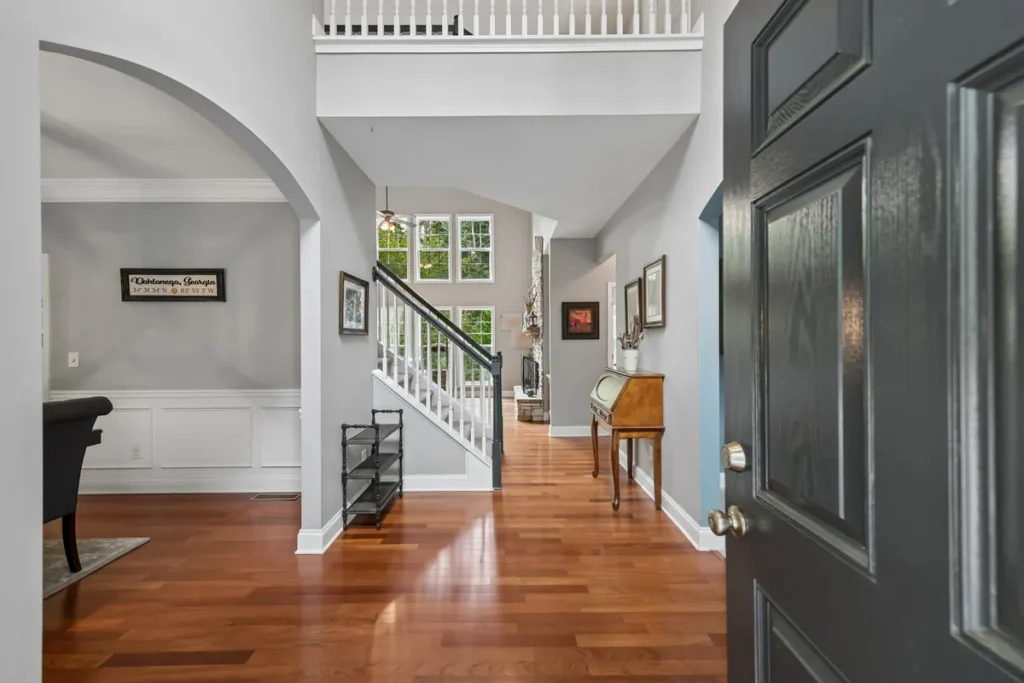
    What your Dahlonega house will rent for depends on factors specific to your property: bedrooms, condition, distance from town, and current Lumpkin County demand.

    6 Factors Setting Rent
    UNG Campus Local Demand
    Mountain Lots Unique Needs
    1 Year Standard Lease
    A house key resting on a wooden porch railing, with sunlit, forested mountain hills blurred gently in the background
    A house key resting on a wooden porch railing, with sunlit, forested mountain hills blurred gently in the background

    What Sets Rent Rates in Dahlonega?

    Dahlonega is a small market without a regional rent index pulling from thousands of comparable leases, and metro Atlanta figures do not translate to Lumpkin County. When evaluating the Lumpkin County rental market , owners work with a contained pool of homes, steady demand tied to the University of North Georgia, and seasonal patterns that do not exist in flat suburban markets.

    Property Type Key Characteristics Market Positioning
    Modest 2-Bed / 1-Bath Reasonable condition, located near town or campus Entry-level rental tier
    3-Bed / 2-Bath Home Good condition, desirable location Mid-range rental tier
    4-Bed / 2+ Bath Home Modern finishes, larger layout, usable outdoor space Premium rental tier

    Six factors consistently move the rent number across Lumpkin County:

    • Bedroom and bath count: A two-bedroom, one-bath rental sits in a different range than a four-bedroom, two-bath home. Each bedroom typically adds measurably to what the market will support.
    • Square footage: Larger living spaces justify higher rent rates, though bedroom count is usually how tenants search first.
    • Property condition: Updated kitchens, newer HVAC systems, and working appliances reduce vacancy time and protect asking prices.
    • Location: Distance from downtown Dahlonega, the UNG campus, and main highway corridors affects how fast properties lease.
    • Setting: Wooded, private lots attract a distinct tenant profile while coming with higher maintenance expectations and seasonal access realities.
    • Outdoor space: Usable decks, garages, and yards add strong appeal in a mountain market.
    Location Impact

    In-town properties near the UNG campus or downtown square tend to lease faster, while rural mountain homes attract renters seeking privacy but require extra transparency regarding access and maintenance.

    Why Metro Atlanta Pricing Formulas Fail in Dahlonega

    Many Dahlonega landlords who bought investment properties start with metro Atlanta as a reference point, which typically leads to mispricing. Dahlonega’s rental pool is smaller, turnover is lower, and the tenant base includes long-term local workers, UNG-affiliated renters, and lifestyle transplants. Choosing between short-term vs. long-term rentals in North Georgia requires pricing specifically for this local audience rather than relying on suburban formulas.

    Because third-party platforms do not track property-level rent benchmarks for Lumpkin County, general guidance must be applied carefully. Before listing, owners should learn how to find a reliable property manager in Dahlonega GA to evaluate specific neighborhood comps. Confirm current rates and figures with a local agent or property manager.

    Quick answer: Rental Analysis

    A formal rental-market analysis evaluates recent comparable leases in your immediate area to give you an accurate listing target, preventing expensive vacancies from overpricing or lost income from underpricing.

    Getting an Accurate Rental Estimate and Calculating Operating Costs

    A property-level rental-market analysis reviews recent comparable lease transactions, adjusted for your home’s specific features. If you are preparing to rent out your Dahlonega home for the first time, a formal analysis prevents setting a rate too high—which causes costly vacancy—or too low, locking in below-market return for a year or more.

    When reviewing options, evaluate property management fees in Dahlonega alongside expected maintenance reserves. Management fees in the long-term rental sector typically run as a percentage of collected rent, varying by company and service package. Deciding between professional property management vs. self-managing your Dahlonega rental comes down to your local availability and tolerance for operational duties.

    Deferred maintenance creates unexpected vacancy, and vacancy is far more expensive than routine repairs in a market with smaller tenant pools.
    Caution: Clarify Your Goals

    Before committing to being a landlord, ensure your expected rental income comfortably covers mortgage, taxes, insurance, and maintenance. If the numbers are tight, carefully evaluate whether to sell or rent your Dahlonega house before moving forward.

    Frequently Asked Questions

    What is the average rent for a house in Dahlonega, GA?

    There is no single average that applies across Dahlonega properties. A two-bedroom in reasonable condition typically falls in an entry-level price tier; a three-bedroom in good condition ranges into mid-tier rates, while larger or updated homes go higher. Confirm current market rates with a local agent.

    How do I know if my Dahlonega house will rent quickly?

    Properties that lease fastest are in good repair, priced appropriately relative to comparable rentals, and listed with clear photos and accurate descriptions. In-town homes close to the UNG campus or Dahlonega Square tend to lease faster than rural or mountain properties.

    Should I manage my Dahlonega rental myself or hire a property manager?

    That depends on your availability, how close you live to the property, and your tolerance for tenant-facing responsibilities. Self-management saves monthly oversight fees but adds time and legal exposure. A full-service property manager handles screening, leasing, maintenance coordination, and rent collection.

    Why are Dahlonega rental prices different from Atlanta suburb rates?

    Dahlonega is a contained small market. The rental pool is narrower, tenant demand is shaped by local factors including UNG and the tourism economy, and comparable lease data is harder to find than in high-volume metro areas. Metro pricing formulas tend to miss the mark in both directions.

    Does the UNG campus affect Dahlonega rental demand?

    Yes. The University of North Georgia in Dahlonega generates rental demand from students, faculty, and staff. That demand follows the academic calendar to some degree. Some landlords seek non-student tenants for longer lease stability; others find UNG-affiliated demand fills vacancies reliably.

    Are there seasonal patterns in the Dahlonega rental market?

    Spring and early summer typically see higher tenant turnover and more new lease activity. Winter listings can sit longer. If your lease ends in late fall or winter, pricing to reflect that slower window reduces vacancy more effectively than holding out for a peak-season rate.

    Can I rent my Dahlonega house if it has a well and septic system?

    Yes. Many Lumpkin County properties use well water and septic systems. Be transparent in the listing and the lease about tenant responsibilities for routine maintenance. A clear walkthrough at move-in avoids misunderstandings mid-lease.

    How do I price a mountain property vs. an in-town Dahlonega rental?

    Mountain properties attract tenants who want privacy and outdoor access, often accepting a tradeoff on convenience. Price your mountain property based on what comparable mountain properties in the area have actually leased for, not what in-town homes fetch.

    What lease length should I offer for a Dahlonega rental?

    One-year leases are standard. Two-year leases reduce turnover costs with reliable tenants but lock in terms longer. Month-to-month arrangements typically carry a rent premium and work best after a tenant has demonstrated reliability on a fixed-term lease.

    What happens if I set my rent too high?

    Extended vacancy. A month vacant at the right price costs less than two or three months sitting overpriced. In Dahlonega’s smaller market, overpriced listings receive fewer inquiries and take longer to lease.

    Do property managers in Dahlonega handle maintenance?

    Full-service property managers coordinate maintenance using preferred vendors and handle work orders without requiring owner involvement in routine repairs. Most charge separately for maintenance above a set threshold.

    How does property condition affect how quickly a Dahlonega rental leases?

    Clean, well-maintained properties lease faster and at or near asking rent. Deferred maintenance prompts tenant objections and negotiation, or moves qualified applicants to the next listing. Addressing the biggest deferred-maintenance items before listing typically recovers more in faster lease-up than it costs.

    What should I disclose to prospective tenants for a mountain Dahlonega property?

    Seasonal road or driveway conditions, well and septic system details and responsibilities, any pest or wildlife considerations specific to the setting, and any known material defects as required by Georgia law.

    How often should I raise rent on a long-term Dahlonega tenant?

    Georgia has no rent control. Large year-over-year increases in smaller markets tend to drive out good tenants, and turnover has a real cost. Most landlords in markets like Dahlonega price to retain reliable tenants rather than maximize annual rate.

    Search North Georgia Homes

    Find real estate opportunities or get professional guidance in Dahlonega today.

    Search North Georgia homes with Gold Peach Realty

    or call (770) 283-1223